



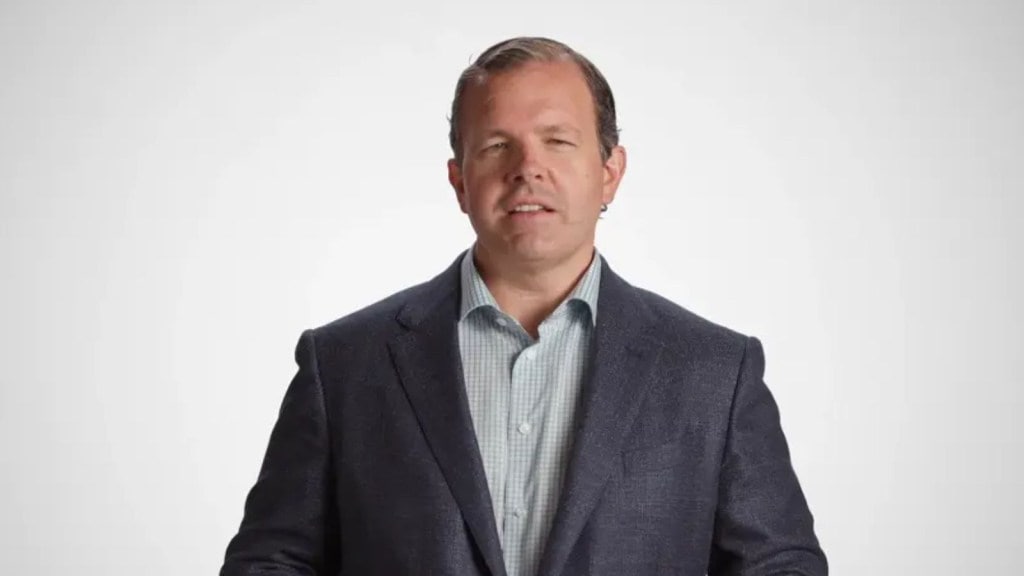
In a time when layoffs and cost-cutting dominate business news, one factory owner in Louisiana became a real-life Santa for his employees. As reported by The Wall Street Journal, Graham Walker didn’t just walk away richer after selling his family-run manufacturing company. He made sure the people who helped build it walked away with their lives changed for good.”
Walker, the former CEO of Fibrebond, made headlines after giving each of his 540 full-time employees six-figure bonus checks. In total, workers received about $240 million, money that came directly from the sale of the company, according to the Wall Street Journal.
Louisiana boss gives workers $240M in bonuses
Fibrebond was acquired by Eaton for $1.7 billion earlier this year. But Walker had one firm condition before agreeing to the deal. 15% of the sale money had to go straight to employees, even though none of them owned company stock. He made the condition non-negotiable.
Walker, told The Wall Street Journal that he believed the workers who stood by Fibrebond through decades of ups and downs deserved a real share of the outcome. The result was a payout averaging about $443,000 per worker, planned for over five years. Employees who had been with the company longer received even more.
Soon after, employees began receiving sealed envelopes with details of their bonuses. Some workers thought it was a joke. Others couldn’t speak at all. For many, it was the first time in their lives they had seen that kind of money.
Fibrebond is based in Minden, Louisiana, a town of about 12,000 people. Fibrebond was founded in 1982 by Walker’s father, Claud Walker. The company grew during the cellular boom of the 1990s, then nearly collapsed in 1998 when its factory burned. Even then, the Walkers continued paying employees. After the dot-com crash, Fibrebond was left with just three customers. Graham Walker and his brother eventually took over daily operations. In 2013, the Walkers launched Fibrebond Power. Instead of individual bonuses, the company began rewarding teams when safety and performance goals were met. It changed how people worked together.
How employees reacted
Lesia Key joined Fibrebond in 1995, earning $5.35 an hour. Nearly three decades later, she was overseeing facilities across the company’s 254-acre campus and managing a team of 18 people. When she opened her envelope, she broke down. Key used the money to pay off her mortgage and open a clothing boutique in a nearby town. “Before, we were going paycheck to paycheck,” she said. “I can live now.”
Other employees used their bonuses in different ways. One worker took his entire extended family to Cancún. Some cleared credit card debt. Others bought cars outright, paid for college, or kept it as their retirement savings.
An immigrant from Vietnam and a longtime assistant manager received several hundred thousand dollars and retired immediately. She bought her husband a Toyota Tacoma and saved the rest. Even after losing nearly $100,000 to taxes, she called the payout life-changing. “Now I don’t have to worry,” she said. “My retirement is nice and peaceful.”
Walker will leave the company on December 31. He said it’s time.