



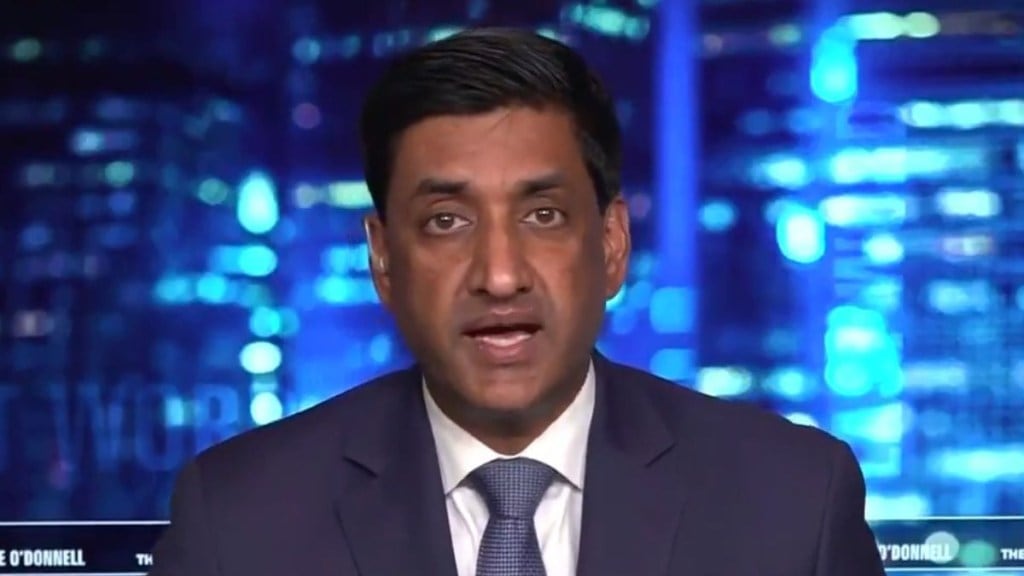
US lawmaker Ro Khanna said two crucial documents are missing from the newly released Jeffrey Epstein files, raising fresh concerns over incomplete disclosure and compliance with a federal transparency law.
The initial batch of documents released by the US Department of Justice (DOJ) was mandated under the Epstein Files Transparency Act, a bipartisan law co-authored by Khanna and Republican Rep. Thomas Massie that requires the DOJ to make unclassified records related to Epstein’s crimes public.
In a statement and video posted late Friday, Khanna argued that the release falls short of that legal requirement, pointing to “excessive redactions” and the absence of what he described as the two “most important documents” survivors of Epstein’s abuse and lawmakers had expected to see.
Which new documents were released?
More than 300,000 pages from the Department Of Justice’s investigation into Epstein were published as part of the mandated release. The files appeared on the official Justice Department website under the section labelled “Epstein Files Transparency Act.”
Among the materials released were several photographs of former Democratic President Bill Clinton, including one showing him in a swimming pool with Epstein’s long-time associate and co-defendant Ghislaine Maxwell, along with another individual whose face was obscured, as per several reports.
Which documents are missing from the released files?
According to Khanna, the documents missing from the release include a 60-count federal indictment drafted in 2007 outlining extensive charges against Epstein and a detailed prosecutorial memorandum summarising the evidence compiled against him.
The omission of these records has intensified criticism from across the political spectrum, with Khanna and others saying the incomplete rollout undermines the intent of the transparency legislation. In his remarks, Khanna noted that the law was explicitly written to ensure these materials would be included in the public record. Instead, parts of key files, such as a 119-page New York grand jury document, were released entirely redacted, leaving their substantive contents unreadable, The Guardian reported.
The incomplete nature of the files released so far has sparked broader controversy. Lawmakers and advocates have condemned the volume of heavily redacted pages and the fact that many of the documents already existed in the public domain prior to this release. Critics argue this undermines the purpose of the Transparency Act and fails survivors seeking fuller accountability.