



As the final hours of 2025 ticked away, a heated debate broke out in California over a proposed ‘Billionaire tax’ targeting the state’s ultrawealthy. While labor groups pushed the idea as a way to protect healthcare funding, some of the state’s most famous billionaires and investors appeared to quietly step back from California, or at least prepare for life beyond it.
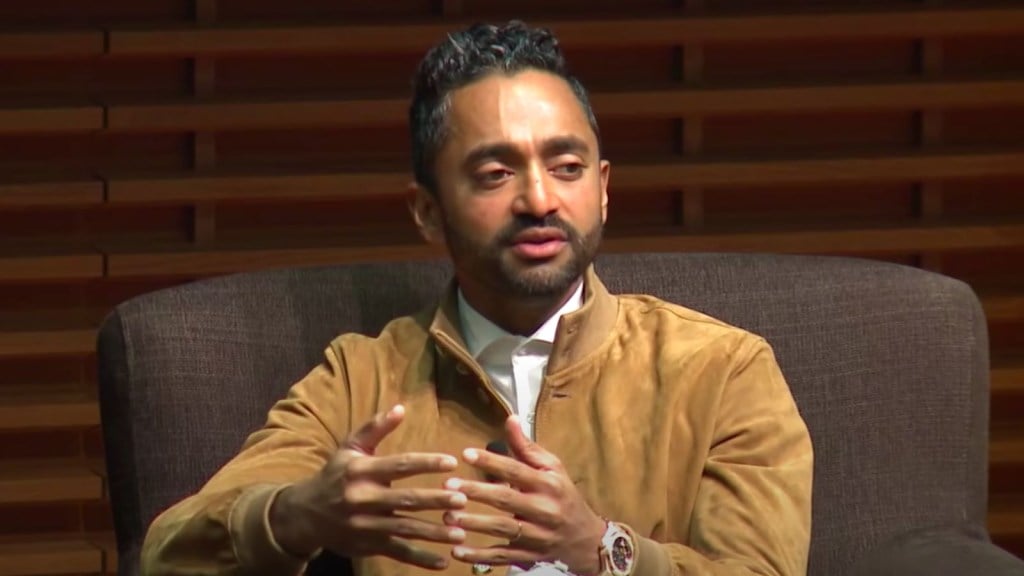
Asian-American investor Chamath Palihapitiya is one of the billionaires opposed to the idea. In a post on X, he claimed he was aware of people with a combined net worth of around $500 billion who rushed to leave California before the end of 2025 because of a looming “asset seizure tax.”
The plan would impose a 5 per cent tax on the total assets of residents worth more than $1 billion. The act, if passed, will impact roughly 200 billionaires residing in California. Proponents estimate the tax could raise up to $100 billion. The measure is backed by the healthcare union SEIU-UHW. The proposed wealth tax needs roughly 875,000 signatures to make it onto the November ballot. If voters approve it, the tax would apply retroactively to anyone who counted as a California resident on January 1.
Chamath Palihapitiya slams California’s proposed ‘billionaire tax’ act
“People I know, with a collective net worth of $500B, scrambled and left California for good yesterday,” the Bay Area investor wrote on X. “They took no risk because of the proposed asset seizure tax – introduced as a ‘Billionaire Tax’,” he added. Without them, he warned, California’s budget deficit could grow even larger.
“This hole gets filled in one of two ways: more borrowing from the bond market, who is purely financial and unforgiving or more taxes on everyone else. Meanwhile, waste, fraud and abuse runs rampant from the hundreds of billions in revenues the state already collects,” he added.
Palihapitiya did not name anyone or offer proof of his claims and did not respond to follow-up questions. His remarks came shortly after a New York Times report that suggested some of America’s richest people were considering an exit from California. According to the report, names like Google co-founder Larry Page and tech investor Peter Thiel are among those closely watching the situation, amid concerns over a ballot measure that could place a heavy tax burden on the state’s wealthiest residents.
Who is Chamath Palihapitiya?
Chamath Palihapitiya is a Canadian-American billionaire of Sri Lankan origin. He is one of several wealthy entrepreneurs who are growing uneasy about the state’s business climate and its proposed tax policies.
Palihapitiya first rose to prominence as a senior executive at Facebook. In 2011, he went on to launch his own venture capital firm, Social Capital. According to Forbes, his net worth is $1.2 billion. If the proposed California act passes, his tax bill would be around $60 million. The act also states that anyone worth at least $20 billion as of January 1, 2026, would face a one-time tax of $1 billion.
Quiet moves beyond California
According to a report from the Wall Street Journal, on New Year’s Eve, two major investment firms linked to well-known tech titans announced new offices outside California. Neither directly mentioned the proposed tax, but the timing raised eyebrows.
Peter Thiel’s firm, Thiel Capital, said it had signed a lease for office space in Miami in December. The firm, however, described the move as a way to complement its existing work in Los Angeles. Another firm, according to WSJ, Craft Ventures, said it had leased office space in Austin, Texas. The firm was co-founded in 2017 by David Sacks, who now serves as the Trump administration’s AI and crypto czar. Thiel has a house in Los Angeles’ Hollywood Hills, while Sacks owns property in San Francisco’s Pacific Heights. No official statements have been released yet.
California remains home to more billionaires than any other state. According to wealth intelligence firm Altrata, about 255 billionaires lived there last year. The state is also dependent on its top earners for revenue, with more than one-third of all tax income coming from the richest 1% of residents.