



The Board of Control for Cricket in India (BCCI) continues to underline its status as the richest cricket board in the world, not merely through sponsorship deals or ICC distributions but increasingly through the scale of its cash reserves and interest income.
Even after the exit of a ₹358-crore Dream11 sponsorship deal and a reduced revenue share from the International Cricket Council (ICC), the Indian board has projected total income of ₹8,963 crore for the 2025-26 financial year, according to details placed before the BCCI Apex Council, as per Cricbuzz.
Interest income turns key to BCCI’s financial muscle
A notable shift in the BCCI’s revenue profile is the growing contribution of interest income, estimated at ₹1,500 crore for FY26 – up from ₹1,368 crore in the previous year. The rise reflects strong treasury management and the board’s ability to generate income independent of match-day revenues or commercial partnerships.
This financial cushion has helped offset the impact of lower ICC payouts, even as the BCCI remains entitled to the largest share- 38.5- of the global body’s earnings. While the precise reduction in ICC income was not disclosed, officials noted that the shortfall has been absorbed without affecting operational spending.
General funds swell as BCCI builds a war chest
The BCCI’s general funds grew sharply in FY25, rising from ₹7,988 crore to ₹11,346 crore, resulting in a surplus of ₹3,358 crore. Provisions have also been made for income tax liabilities of ₹3,320 crore, contingency reserves of ₹1,000 crore and litigation costs of around ₹160 crore, underlining the board’s conservative financial planning.
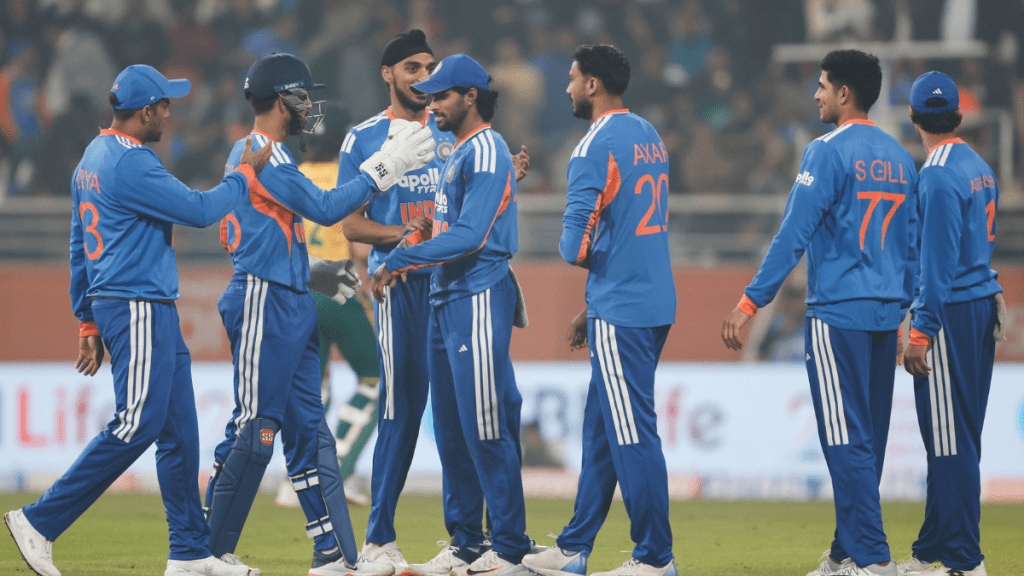
While new commercial tie-ups- including jersey sponsorship deals with Adidas and Apollo Tyres- have helped stabilise revenues, it is the scale of accumulated reserves and steady interest earnings that continue to set the BCCI apart from other cricket boards. The Indian Premier League (IPL) also contributes to a major chunk of the total BCCI earnings which makes it a robust cricket board.
In an era of regulatory uncertainty and fluctuating sponsorship markets, the Indian board’s balance sheet shows why it remains the richest cricket body globally- financially insulated, liquid and largely immune to short-term shocks.