



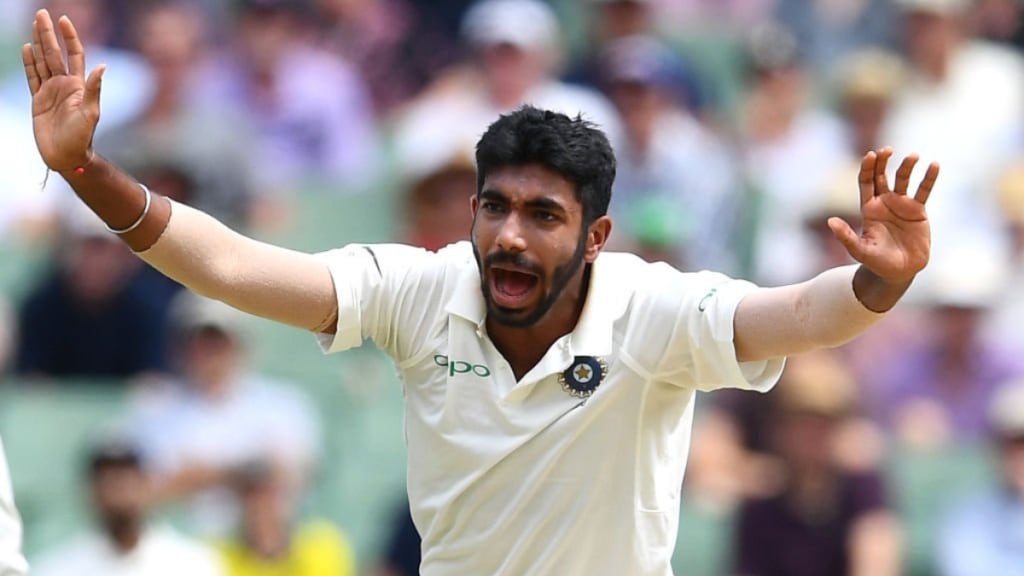
The Australians thought they could breathe. India had batted for nearly two days, piling up 443 runs on a pitch that looked like it had been made for drawing pictures, not playing cricket. Shaun Marsh and Travis Head had stuck around, the ball had gone soft, and lunch was just one ball away. Then Jasprit Bumrah did something nobody saw coming. Not even the batsman.
Unlikely Test cricketer
Seven first-class matches. That’s all Bumrah had played before 2018. People said his action wouldn’t last. They said his body would break. They said Test cricket needed different skills. Bumrah heard all of it and kept bowling. He ran more miles than anyone else in the Indian team. He built a body that could carry his strange, slingy action through five days of cricket. And he used his brain.
In South Africa, he took five wickets in Johannesburg and helped India win. In England, he took five more at Trent Bridge in another win. But Australia? The Baggy Greens were different. The MCG pitch was dead. Rain was coming. Australia just needed to survive one day to take the series to Sydney. Bumrah had other plans.
Background noise at Melbourne
India batted for nearly two days. 443 runs. Close to 170 overs. People groaned about the pitch. The Ashes earlier that year had left scars here. Nobody wanted another dead Boxing Day Test. Australia hoped the slow surface would help them bat time and escape.
The ball softened. The crowd settled. The game seemed ready to drift.
That is when Bumrah pressed pause.
Six wickets, six answers
Bumrah did not rely on one trick. He never does. He bowled short. He went full. He swung it late. He seamed it away. He even slowed one down when no one expected it.
A bouncer here. A sharp full ball there. One yorker that arrived late and dipped. An away-seamer from good length that kissed the edge. Each wicket felt different. Each one told a small story of how much he had grown through the year.
Australia folded for 151. India took a 292-run lead. Suddenly, the pitch was no longer the topic.
The ball before lunch
Day three. Last over before lunch. Marsh had faced 24 balls. Head was settling in. The partnership had added 31 runs. Australia were three down but dreaming of a draw. Bumrah walked back to his mark. Rohit Sharma at mid-off shouted something. Bumrah nodded.
The plan was simple. Nothing was happening with the quick ball. So try something else. Try the slower yorker that Bumrah uses in T20 cricket. The one that dips and swings and makes batsmen look stupid.
Bumrah’s run-up started slow. Then it became that familiar gallop. Marsh shuffled across, expecting pace. What he got was a ball that came out of Bumrah’s hand like a feather but landed like a stone. It dipped. It swung in. It hit his toe before he could bring his bat down. Plumb in front. Lunch came early for Australia. The partnership was broken. The hope was gone.
What Rohit whispered
Bumrah told reporters later what Rohit said. “Nothing much was happening. Rohit told me, ‘You can try a slower ball like you bowl in one-day cricket.’ So I thought, ‘Yeah, I could give it go.'”
That was it. No team meeting. No video analysis. Just two Mumbai Indians players reading the game and taking a chance. The execution was perfect. Marsh was out for 19. Australia lost their way completely. They folded for 151. Bumrah took six wickets. India got a 292-run lead.
Spell that had everything
Those six wickets showed everything Bumrah had learned in his first Test year. A bouncer to Marcus Harris that kept hitting his helmet. Full deliveries to Finch and Khawaja that they couldn’t handle. The slower ball to Marsh that made him look frozen. A sharp inswinger that cleaned up Travis Head. Tim Paine edged a good-length ball to Pant. Nathan Lyon got a 146-kph rocket that trapped him too.
Each wicket was different because Bumrah understood each batsman’s weakness. He watched. He adapted. He executed. Simple as that.
The day after
The rain came on day five. Australia had hung around long enough to make India nervous. But the skies cleared after lunch. Bumrah had the new ball. Pat Cummins had fought hard. He had made 63 runs when everyone else failed. Bumrah angled one across him. Pujara caught it at first slip. Nine wickets in the match for Bumrah. The first Indian fast bowler to do that in Australia.
Ishant got Lyon next over. India won. They won the Border-Gavaskar trophy in Australia for the first time.
Words that aged well
Former Australia captain Michael Clarke had said after this spell that Bumrah would soon be number one across formats. At the time, it sounded bold. Few years later, it sounded accurate.
After the match, Virat Kohli spoke about patience. About spells that deserved more earlier. About trusting that wickets come in bunches. This was one of those bunches.
Numbers tell a story
Twenty-one wickets in the series. Seventeen average. Five-wicket hauls in three different countries in his first year. A career-best 6 for 33 at Melbourne. Nine wickets in a Test match in Australia. All this from a boy who grew up playing tennis-ball cricket in Ahmedabad and learned to bowl yorkers because that’s what worked in T20.
The MCG pitch was supposed to be dead. The match was supposed to be a draw. Bumrah refused to accept that. He showed that even on flat tracks, even with a soft ball, even when the batsmen are set, a bowler can change everything. You just need to think. And work harder than everyone else.
Australia had lost their stars to sandpaper bans. India had found a new one through sheer hard work and smart thinking. The Boxing Day Test of 2018 wasn’t about magic. It was about one bowler who wouldn’t take no for an answer.