



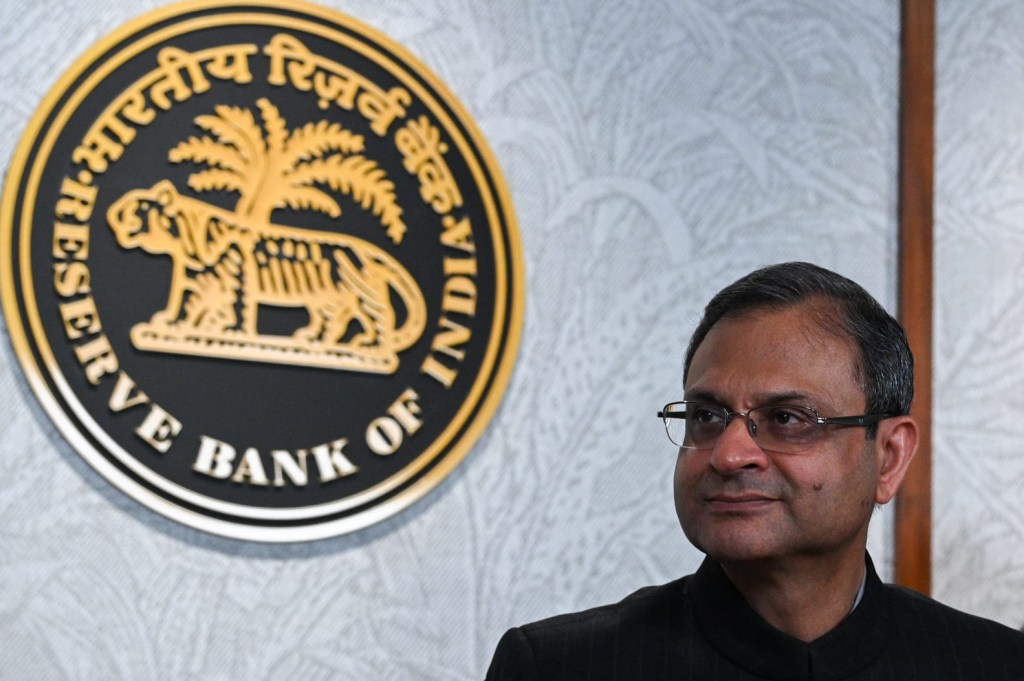
A highlight of the Reserve Bank of India governor Sanjay Malhotra’s statement on Friday morning was his reading of the Indian economy numbers that were presenting the picture of a “rare goldilocks period.” After all, the real GDP growth had “accelerated to 8.2 per cent in second quarter of the year, inflation at a benign 2.2 per cent and growth at 8.0 per cent in
H1:2025-26.” The much-debated number of 8.2 per cent real GDP growth is said to have been buoyed by strong spending during the festive season which, the governor reminds, “was further facilitated by the rationalisation of the goods and services tax (GST) rates.”
RBI’s measures find support amid benign inflation
It is perhaps with good reason that a veteran economist, who knows many of the policy- makers personally and therefore prefers not to be named, says, “this is a very comfortable situation for the RBI as far as monetary policy management is concerned. The growth numbers are good, inflation is low and therefore no matter what any measure taken by the
central bank could have been justified.” In fact, he argues, it is a rather odd situation in the country where there is no real danger of raising money supply or liquidity in the system posing any adverse impact as there is no immediate threat of inflation.
Nonetheless, soon after sharing the news of the Monetary Policy Committee unanimous vote to reduce the policy repo rate by 25 basis points (bps) to 5.25 per cent with immediate effect, the governor opted to bring up the point about the Reserve Bank’s decision to conduct Open Market Operations (OMO) purchases of government securities of ₹1,00,000 crore and a 3-year USD/INR Buy Sell swap of USD 5 billion this month to inject durable liquidity into the system. These measures, he explained, “will ensure adequate durable liquidity in the system and further facilitate monetary transmission.”
Policy shifts weighed against global uncertainties
Policy watchers, bankers and economists, however two-handed they may seem to be, do constantly remind that the policy measures announced and the measures taken by the government need to be viewed in the light of the global uncertainties. These include the unpredictability on the future of oil prices, the road ahead on the Ukraine-Russia war, India’s international diplomatic relations and their likely implications on the trade relations, the prospects of a trade deal with US with the immediate concerns on the net impact of tariffs imposed on India (albeit some argue that the rupee under pressure at the moment is perhaps helping the exporters). And additionally now, with the emphasis on stimulating growth, the prospect of perhaps growth-driving government spending & its implications in turn on the fiscal deficit.