



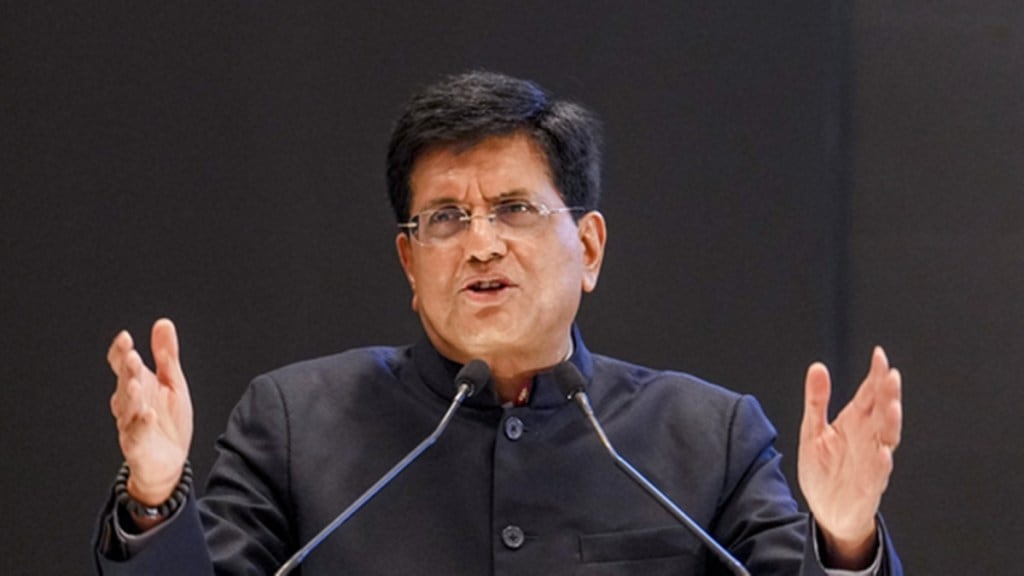
Commerce and Industry Minister Piyush Goyal will visit Brussels on January 8-9 to push forward with the negotiations on the free trade agreement with the European Union (EU) that have gained greater intensity as both sides move closer to the India-EU Summit next month. Before landing in Brussels, the minister will visit Liechtenstein for a day. Liechtenstein is part of the four nation European Free Trade Association with which the FTA was operationalised on October 1. Other members of EFTA are Switzerland, Norway and Iceland.
The top leadership of the EU – European Commission President Ursula von der Leyen and European Council President Antonio Costa – will be the chief guests at India’s Republic Day celebrations. A day later they will be co-sharing the India-EU summit that is held every two years with Prime Minister Narendra Modi.
Month of High-Stakes Diplomacy
Goyal’s visit to Brussels comes just a month after the visit of EU Trade Commissioner Maros Sefcovic and other senior officials related to trade to advance the FTA talks. Goyal and Sefcovic held two days of extensive negotiations earlier this month to move the FTA towards conclusion.
Before Goyal-Sefcovic met, India and EU officials held technical discussions on 3-9 December. Between the physical meetings, both sides are constantly engaged virtually too
On Monday Commerce Secretary Rajesh Agrawal had said that the negotiations between India and the 27-nation bloc EU have entered the “most difficult” stage, and both sides are engaged to bridge the differences and close the talks soon. The key issue of carbon tax is also on the table as both sides talk on a trade deal.
Navigating the ‘Carbon Tax’ and Technical Deadlines
“We will sort out the issue of carbon tax through Carbon Border Adjustment Mechanism (CBAM) to India’s advantage,” an official said on Friday.
Both sides had set a deadline of December-end to wrap up the discussions on the FTA and officials now say the deal would definitely be doable by the first quarter of calendar year 2026. India and the EU began negotiating their FTA in 2022. In addition to the main agreement, both sides are also negotiating deals on Geographical Indications and Investment Protection. The FTA covers 23 chapters or policy areas.