



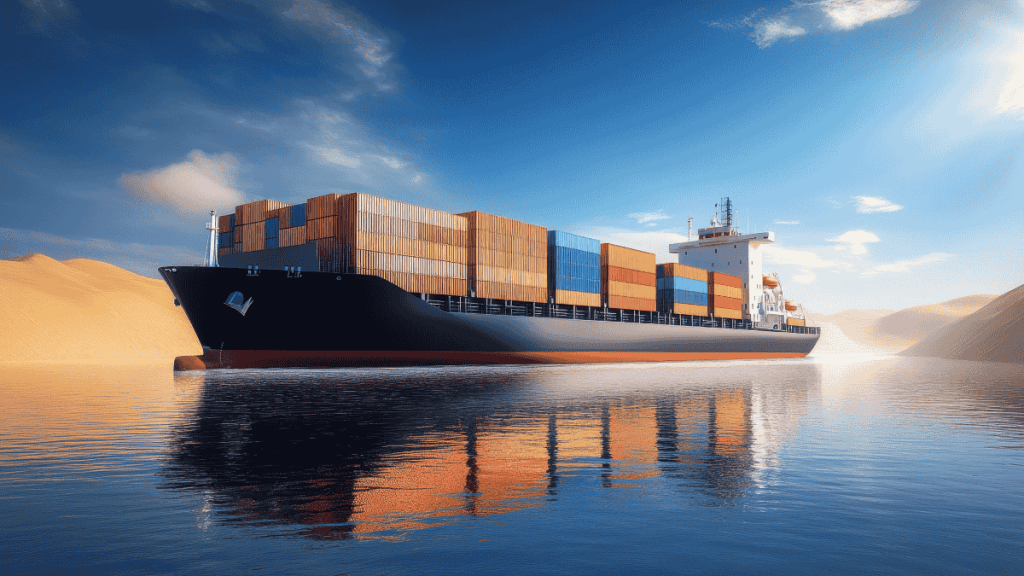
India’s overall exports are expected to touch $ 850 billion in 2025-26, up marginally from $ 825 billion last year, according to an analysis by Global Trade Research Initiative (GTRI).
In FY26, goods exports are likely to stay broadly flat, squeezed by weak global demand and renewed US tariff pressure, while services exports may inch past $400 billion. In 2024-25 total exports reached about $825 billion, split between $438 billion in merchandise and $387 billion in services.
Protectionist Pivot
The external environment is deteriorating fast. The US, under President Donald Trump, has sidelined World Trade Organization disciplines in favor of steep unilateral tariffs. India’s exports to the US fell 21% between May and November 2025 under the current 50% tariff regime.
Unless Washington rolls back the additional 25% penalty tariff linked to India’s Russian oil purchases—or concludes a trade deal—exports to India’s largest market risk further erosion.
Carbon Barrier
Europe presents a different, but equally costly, challenge. The European Union will activate its Carbon Border Adjustment Mechanism (CBAM) on January 1, 2026, effectively imposing a carbon tax on imports.
Even before payments begin, compliance and reporting requirements have already pushed India’s steel exports to the EU down by about 24%. From 2026, EU importers will price Indian goods inclusive of CBAM costs, with payments settled through certificate surrender in 2027.
While exports to the US fell sharply, India’s exports to the rest of the world rose by about 5.5% over the same period, indicating gradual diversification. Still, the US and EU remain India’s most valuable markets, and disengagement is not an option.
The trade agreements will open up new markets. With limited influence over geopolitics, India’s 2026 strategy must turn inward. Export growth will depend on upgrading product quality, moving up the value chain, and lowering costs. The clearest opportunities lie in electronics, engineering and textiles, where higher value addition can sustain exports even in a hostile trade climate, the GTRI added.