



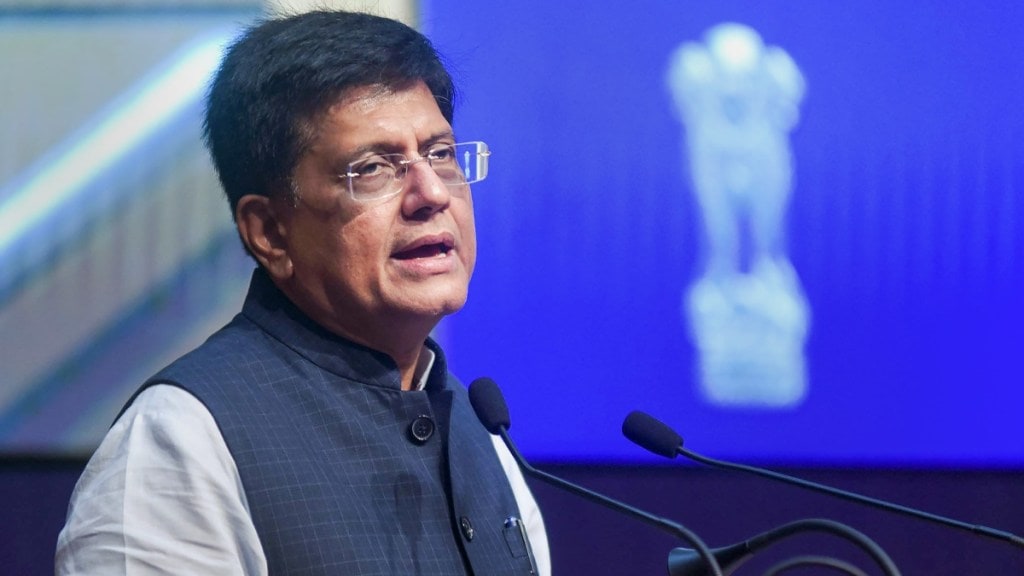
A team of European Union trade negotiators, led by top officials, is in India for talks as both sides approach the final three weeks of a year-end deadline to conclude a Free Trade Agreement (FTA). The visiting EU delegation, headed by Director General for Trade Sabine Weyand, will meet Commerce and Industry Minister Piyush Goyal on Monday to review progress on the proposed agreement, an official said. While discussions will follow a formal negotiation framework, the talks with Goyal are aimed at accelerating the pace of the deal.
Why top-level talks are needed
Late last month, Commerce Secretary BVR Subrahmanyam said the FTA could be finalised in the first quarter of next year or even earlier.
“It is the biggest and most difficult FTA we are negotiating. But over the last 3 years a lot of work has been done. I can say we are in the last phase of negotiations – most arduous and most difficult. This last phase started 2-3 months back. There is energy on both sides trying to arrive at a deal as early as possible. We are in a good zone,” he said.
The year-end deadline was set in February, when European Commission President Ursula von der Leyen visited India with the full college of commissioners. India and the EU resumed talks on a comprehensive FTA in June 2022. In addition to the main agreement, both sides are also negotiating deals on Geographical Indications and Investment Protection. The FTA covers 20 chapters or policy areas, with agreements reached on most of them.
Since the relaunch, 14 formal rounds of negotiations have taken place. Following the 14th round in October, the sides shifted to a format of continuous negotiations, supplemented by meetings between top officials and political leadership to expedite progress.
Key sticking points
The EU is pressing for significant duty cuts on automobiles and medical devices, along with tax reductions on wine, spirits, meat, and poultry, as well as a strong intellectual property framework. India, meanwhile, seeks duty-free access for labor-intensive goods and emerging sectors such as autos and electronics.
The FTA is considered crucial, as the 27-member bloc is India’s largest trading partner, with bilateral merchandise trade totalling $136.2 billion, though the US remains the country’s biggest market. Exports to the EU stood at $75.8 billion in 2024-25, while imports were $60.6 billion. Services trade is also robust, reaching $70 billion in 2023, giving India a surplus of $9.25 billion.