



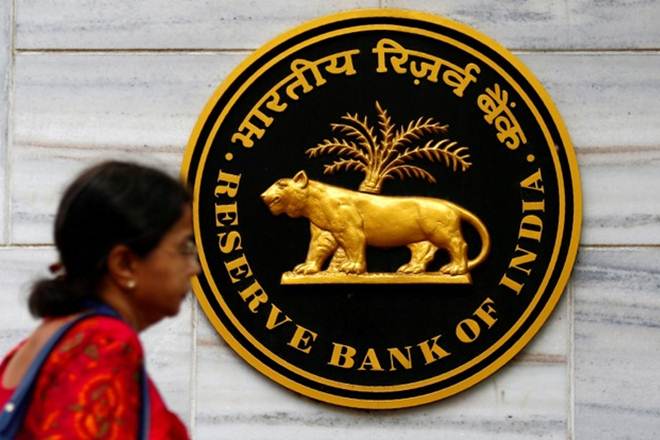
The Reserve Bank of India on Wednesday kept the repo rate “unchanged” at 6% for the third time in a row in its latest credit and monetary policy review, as was widely expected given the concerns on the rising headline inflation, surging global crude oil prices and fiscal slippage. RBI’s 6% repo rate is lowest in over seven years since November 2010. In a 5-1 vote by the 6-member Monetary Policy Committee, the RBI decided to maintain status quo on repo rate, while keeping a ‘neutral’ stance.
“The decision of the MPC is consistent with the neutral stance of monetary policy in consonance with the objective of achieving the medium-term target for consumer price index (CPI) inflation of 4 per cent within a band of +/- 2 per cent, while supporting growth,” the central bank said in its sixth and last bi-monthly policy meeting of the current fiscal on Wednesday.
“The MPC decided to keep the policy repo rate on hold and continue with the neutral stance. The MPC reiterates its commitment to keep headline inflation close to 4 per cent on a durable basis,” the RBI added.
In December, the RBI kept the repo rate unchanged with neutral stance; however, raised the inflation forecast for the remainder of the financial year 2017-2018 to 4.3-4.7%. Reserve Bank’s survey of households showed inflation expectations firming up in the latest round for both three months ahead and one year ahead horizons. In October, the RBI kept the repo rate unchanged flagging concerns over firm crude oil price. It was in August last year when the RBI had cut repo rate by 25 basis points to 6%.
RBI’s decision is in line with analysts expectation. The Retail inflation has surged to a 17-month-high in the month of December at 5.61%, much higher than RBI’s target of 4%. Even as the wholesale inflation recorded a three-month low in December on low vegetable prices as crop recovered from unseasonal rains, the headline inflation is seen rising.
A Reuters poll of 60 economists had suggested that the RBI will keep the repo rate unchanged, but will change its tone hawkish as macroeconomic indicators suggest that inflation will continue to hover over central bank’s target of 4% for the next 12 months.
In the Budget 2018, the government said that on account of lower GST revenue and deferred spectrum allocation, the fiscal deficit for the current fiscal year has widened by 0.3 percentage points from targetted 3.2% of the GDP to 3.5%. The government also vowed to hike the minimum support price one and a half times to farmers’ production cost, which may push inflation further up. Meanwhile, crude oil prices, since the last monetary policy meeting, surged by over $7 per barrel.