



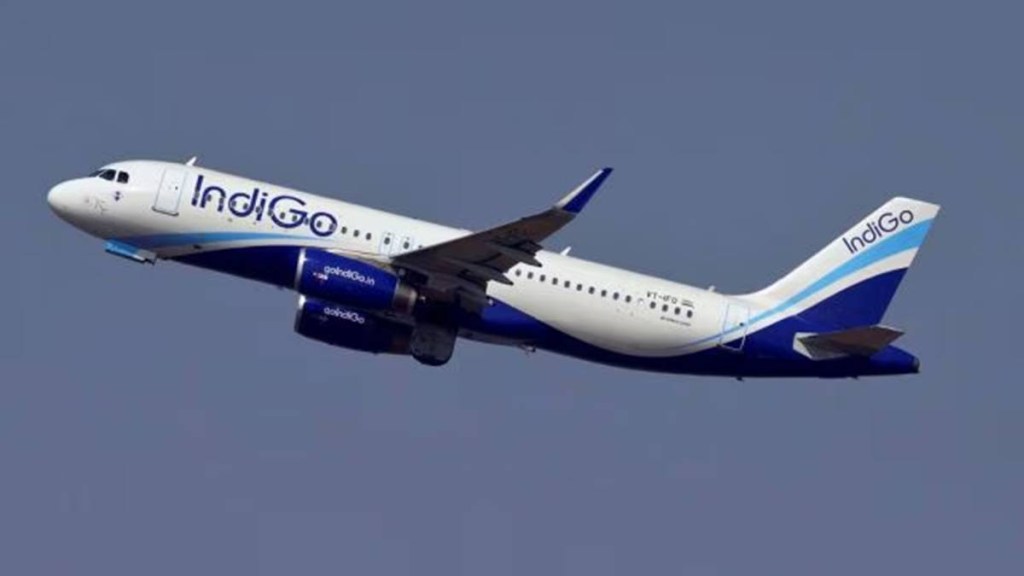
IndiGo’s recent operational collapse, triggered by the new Flight Duty Time Limitations (FDTL) rules, has once again shown how quickly the airline can secure regulatory relief when its business model comes under pressure. For nearly a week, the country’s largest carrier was cancelling hundreds of flights a day. Passengers were left stranded, and IndiGo had no option but to acknowledge that it had miscalculated the number of pilots needed to operate its tight schedule under the revised norms.
Why new pilot rules grounded IndiGo’s network
The Directorate General of Civil Aviation’s (DGCA) new rules, which came into force in phases from July and November, increased weekly rest requirements for pilots from 36 to 48 hours, cut the number of night landings permitted in a duty period from six to two, and expanded the definition of night duty to midnight through 6 am. For an airline that depends on very high aircraft and crew utilisation to make its low-cost model viable, these changes were not minor adjustments. IndiGo was running thin crews for years, with schedules built on squeezing maximum hours from both planes and pilots. When the rules tightened, the buffer vanished overnight.
After a week of cancellations and mounting public anger, IndiGo requested temporary exemptions. On December 5, the DGCA agreed. It relaxed some rules until February 10, 2026, including reverting night hours to midnight-5 am and allowing up to six landings again. The regulator stressed that it was not diluting safety, required IndiGo to submit a compliance road map within 30 days, and said it would monitor progress every two weeks. Pilot unions disagreed. For IndiGo, though, the eventual outcome followed a familiar pattern: regulatory pressure that yields just enough flexibility for operations to stabilise.
Core Strategy
This episode is not a one-off. It flows directly from IndiGo’s underlying design. Since its founding, the airline has built itself around strict cost control and consistent operational discipline—traits that have helped it dominate a sector where many others have collapsed. The partnership between Rahul Bhatia and Rakesh Gangwal, which later fractured, rested on a simple idea of running a large, standardised fleet, keeping costs low at every stage of the value chain, and expanding faster than rivals could respond.
One of the central pillars of this strategy was the sale-and-leaseback model. In 2005, Gangwal negotiated an enormous 100-aircraft order with Airbus. The scale of that order alone shifted IndiGo into a different league, allowing it to secure aircraft at far lower prices than competitors. Once delivered, these planes were sold to leasing companies and then leased back. The gap between the discounted purchase price and the sale price created cash for the airline, which it reinvested into more aircraft and more routes. Over the years, this produced a substantial pool of working capital and gave IndiGo the ability to expand without relying on heavy borrowing, something that pushed several rivals, from Kingfisher to Jet Airways, into long-term distress.
This approach shaped every part of IndiGo’s operations. Suppliers often faced hard bargaining, not only for aircraft and engines but for smaller expenses as well. Operational systems were built around efficiency measures that seem minor individually but add up across thousands of flights. Bhatia’s early experience in the travel business reinforced a culture that avoided excess and discouraged discretionary spending.
The recent FDTL crisis is connected to this same model. Night operations are central to IndiGo’s network. They allow the airline to extract more utilisation from aircraft and crews. However, when an airline relies on such high utilisation, even a modest regulatory change can cause large disruptions. Once the new rules took effect, the shortfall in pilot availability became obvious.
Much of this history is captured in Tarun Shukla’s book Sky High: The Untold Story of IndiGo. The book traces how the founders—Bhatia and Gangwal—shaped a business that was frugal not just in expenditure but also in decision-making structures. While their partnership formally ended a few years back, the cost-focused mindset they built remains central to IndiGo’s strategy even today.
A recurring theme in IndiGo’s journey has been its relationship with the aviation regulator and the civil aviation ministry. In the airline’s early years, stronger competitors dominated industry lobbying. IndiGo had to push hard to secure timely clearances for aircraft imports, route allocations, and training approvals. As its scale grew, its bargaining power shifted. Delays in regulatory approvals could disrupt connectivity for large parts of the network, making it harder for the system to ignore its requests.
Over time, IndiGo’s size grew in a manner that operational disruptions affected so many passengers that regulators often had to step in with a degree of flexibility. Recent events fit this long-running tension. The DGCA had given airlines two years to prepare for the new fatigue rules. IndiGo, despite its resources and planning machinery, failed to staff up in time. When the cancellations began piling up, the pressure shifted to the regulator to prevent further breakdowns.
The larger question is what this means for IndiGo’s next phase. With Tata-owned Air India entering a period of investment and renewal, the competitive landscape is changing.
Whether IndiGo can maintain its long-held balance between tight cost control alongside regulatory cooperation will be tested in the times to come. The recent crisis has shown both the limits of its current model and the influence it continues to wield.