



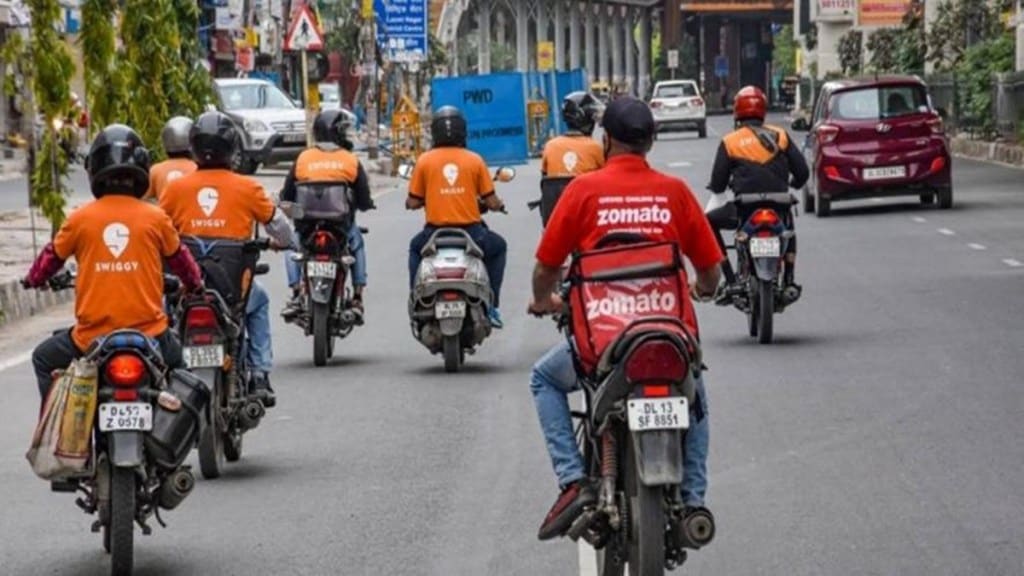
India’s brutally competitive quick-commerce market is clearly heading for a shakeout, as Blinkit CEO Albinder Dhindsa predicts. He’s probably right. But the “correction”, as he calls it, may not arrive as quickly as expected—not when the early movers have already become default suppliers to affluent households across India’s major cities. Some challengers, particularly deep-pocketed horizontal e-commerce giants like Amazon and Flipkart, have little reason to exit soon. Big-box retailers such as JioMart and DMart Ready also have the balance sheets and patience to stay in the fight. Meanwhile, the overwhelming institutional response to Swiggy’s Rs 10,000-crore share sale underscores a key point: the top two or three players are likely to survive and share the gains. Though eight-odd firms are vying for market share, Blinkit and Swiggy’s Instamart have pulled decisively ahead, with Zepto firmly in third place. At this pace, the trio could end up controlling 70-80% of the market—mirroring the concentration seen in India’s broader e-commerce sector.
Survival depends on scale and enormous war chests
In quick-commerce, the unit economics work only at enormous scale as behind the convenience lies a network of hundreds of dark stores, thousands of delivery partners, and extraordinarily high operational intensity. So the secret to survival in this business is an enormous war chest. That explains why the top three have been aggressively raising capital. Blinkit is sitting on more than $2 billion; Swiggy is similarly stocked; and Zepto’s recent $450-million fundraise has reportedly taken its reserves to about $900 million. The cash burn is punishing: hundreds of dark stores need to be set up and operated, and thousands of stock keeping units must be maintained across localised assortments.
Market Expansion vs. Inflated Customer Acquisition Costs
What’s indisputable is that the market itself isn’t going anywhere. If anything, it’s expanding as more households grow accustomed—even addicted—to 10-minute delivery. Bernstein estimates that by FY30, nearly 70 million Indians will together command “relevant” purchasing power of about $80 billion (roughly `7 lakh crore), a cohort willing to pay for quality and convenience. Its proprietary models peg quick commerce as a $35-billion market by FY30, driven by share gains from kirana stores across the top 40 cities. Some investors argue this may still be a conservative projection.
Sequoia’s Rajan Anandan has long maintained that India’s addressable markets tend to be underestimated, noting that each decade brings a tenfold expansion in outcomes. That’s good news for quick-commerce players, all of whom are chasing scale while simultaneously trying to lift average order values and capture a larger share of household spending. But Dhindsa is right to expect a reset. Many consumer businesses in India have fallen victim to irrational exuberance, and quick-commerce operators are already displaying the early signs: generous discounting to lure price-sensitive customers, waived service fees, and aggressive promotions.
These may expand the funnel, but they inflate acquisition costs—which are not falling, and for first orders are actually rising. So the model will evolve. As Amazon India’s Samir Kumar notes, there will likely be multiple offerings tailored to different customer cohorts. Not every consumer is perennially rushed or willing to pay a premium for hyper-fast delivery. But regardless of the eventual segmentation, two realities remain unchanged: capital costs are high, and customer acquisition costs are rising. A lot more cash will be spent before the winners emerge. And when they do, India’s quick-commerce market may look very different from today’s crowded battlefield—but far more sustainable.