



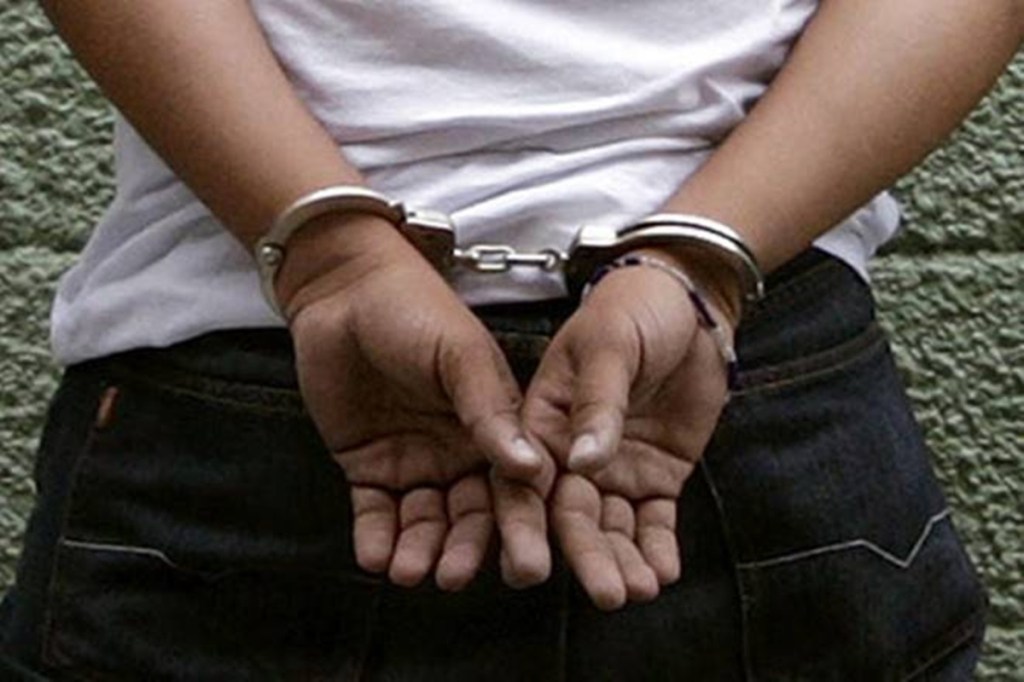
It is hard to fathom why the Delhi Police, under the Union government, would have thought it more befitting its purpose to arrest over 20 people for putting up posters criticising prime minister Narendra Modi than, say, cracking down in time on oxygen black-marketing in the national capital. The posters criticised the Centre’s decision to allow export of Covid-19 vaccines.
Among those arrested are daily-wagers, a senior who makes wooden frames for a living, jobless youths—the complaints by filed by police personnel, reports The Indian Express. While leaders of the Aam Aadmi Party have claimed ownership of the posters, the excessive, unwarranted police action has already spawned a spin-off protest, with prominent opposition politicians and netizens openly courting arrest, saying that they will put up similar posters, too.
The devastating second wave has sparked severe criticism of the Centre’s handling of the pandemic, more so with the government perceived to have looked the other way as political rallies and massive religious gatherings were organised. Moreover, India’s vaccination drive is seeing crippling shortages although the Centre has said supplies are being augmented, with 2.1 billion doses expected between August and December.
With the all-India positivity rate still elevated and weekly deaths still numbering over 28,000, the severe shortage of vaccines and critical Covid-care elements have provoked public uproar. While the courts have directed the government to take urgent action, it could take a while to streamline supplies. And, the Delhi Police is not alone in such perversion of State power.
The Uttar Pradesh administration has threatened invocation of the draconian National Security Act and even seizure of property of those who ‘spread rumours’ about oxygen—the administration, in the recent past, has treated even an appeal on social media for oxygen as ‘rumour-spreading’, which likely prompted the Supreme Court to say that it will treat action against appeals on social media as ‘contempt of court’. The State must keep in mind these examples of prickliness on its part will find parallels in history only among the most oppressive dispensations.