



The investigative series by The Indian Express (IE) on the leakage in Jharkhand in the centrally-funded scholarship scheme for minority students should serve as an eye-opener for the government. Under the scheme, students from minority communities can get registered online with bank account details and Aadhaar details, among other documentation requirements, to receive the annual scholarship amount as per the relevant category (class-wise & boarder/day scholar).
They need to have scored more than 50% in the school exams, and their family income shouldn’t exceed Rs 1 lakh per year. The scholarship amount is directly transferred after eligibility is confirmed, the application accepted, and registration completed. However, in Jharkhand, a nexus between banks personnel, middle-men, government and school authorities seems to have siphoned off significant portions of the funds.
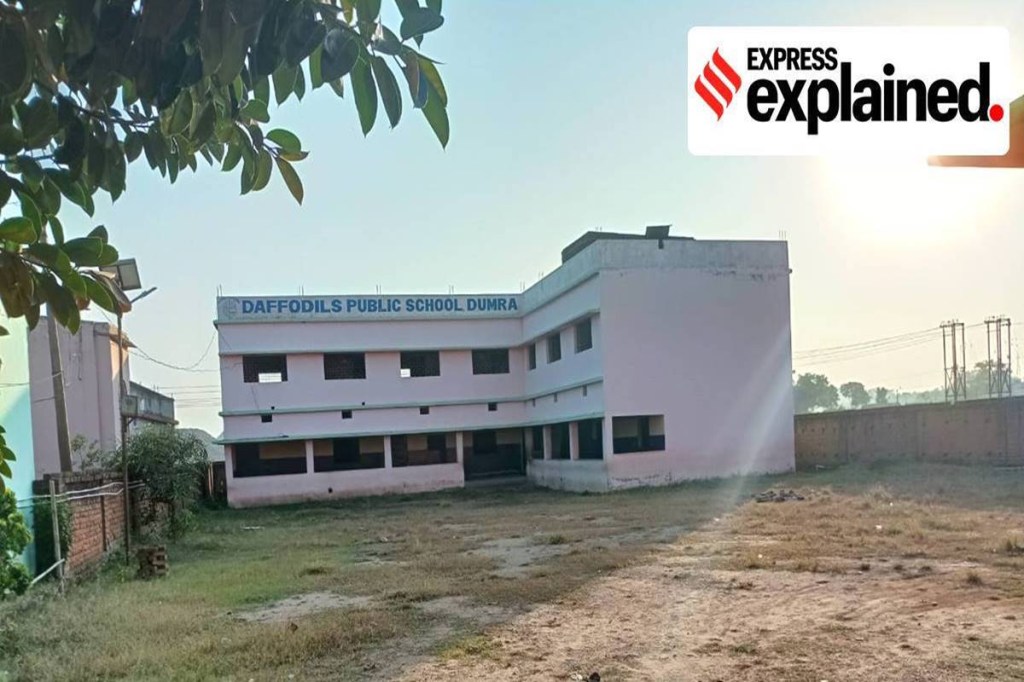
As a result, not only have many beneficiaries received only a fraction of the money disbursed in their name but also many ineligible persons-including a homemaker in her late 20s, a couple in their 30s and a woman in her late 40s-have been registered as beneficiaries and received scholarship. As per data from the scholarship portal, 323 ‘boarders (hostel students)’ at a Dhanbad school that has just three rooms, 80 students and no hostel received scholarships in FY20, there are female beneficiaries registered against a school that caters only for boys, etc.
A big part of the problem is the lack of awareness-indeed, genuine and ineligible beneficiaries both seemed to have no clear idea of the scholarship scheme, the full amount and even who was funding it. With such low awareness, many had no idea that they had been made pawns for the nexus bilking the government. The government needs to have mechanisms to make the target beneficiaries aware of the details of the scheme, especially for those for whom information resources are typically hard to access.
That said, the bigger concern relates to the monitoring of schemes. The direct benefit transfer (DBT) system with Aadhaar and bank account linkage is, without doubt, an improvement over the earlier, non-digitised system under which tracking and authentication was harder.
However, the DBT system still has to rely on end-point verification by humans, as this instance shows; beneficiaries’ applications are accepted by the Centre only after vetting by school and district/state authorities. In the Jharkhand case, the authorities and middlemen, including banking correspondents, are alleged to have obtained the relevant documents and particulars, including finger-prints, from genuine and fake beneficiaries, certified their authenticity and perpetrated a scam.
To check this-for all DBT, even with Aadhaar linkage-the government needs to invest in independent auditing of beneficiary verification, beneficiary receiving the full benefit amount, etc, at the ground level. There has to be mandatory independent financial and social auditing, quite like what has been done for MGNREGA. To be sure, these will not be a foolproof check, but they can help substantially curb diversion of funds.
The minority affairs ministry disbursed Rs 1,400 crore under this scholarship in FY20; of this Rs 61 crore, went to Jharkhand, where the amount disbursed had risen from Rs 9.5 crore in FY15 to Rs 35 crore in FY19. If the rise has been on the back of widespread bilking, the claims of higher school enrollment of minority will erode the faith of the layperson in accountable governance.