



Naveen P Singh & Dinesh C Meena, Respectively Principal and Senior Scientist with ICAR-NIAP, New Delhi
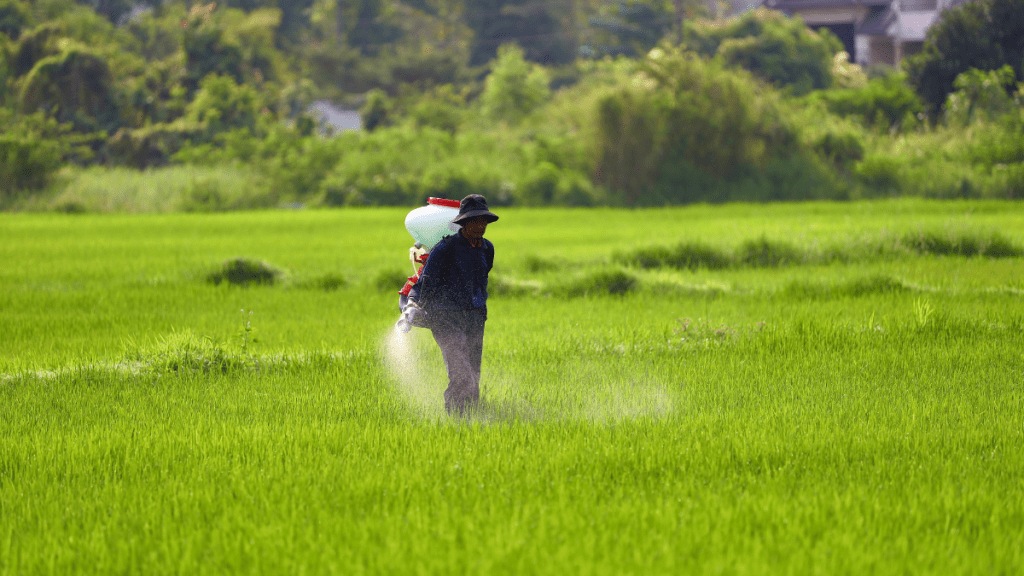
Few images capture the spirit of Green Revolution more vividly than the sight of sacks of chemical fertiliser stacked on a farmer’s porch, symbols of hope that once promised to transform India’s food security overnight. The sacks represent the dramatic shift in agricultural practices starting in the 1960s, when modern inputs like high-yield seeds, mechanisation, irrigation, and synthetic fertilisers replaced traditional farming methods. Yet, behind this promise lies a complex legacy of both miraculous productivity gains and emerging environmental and economic challenges. The chemicals that rescued India from famine in the 20th century now pose a threat. Fertiliser use has topped a national average of 139.81 kg/hectare (ha) and risen as high as 247.61 kg/ha in states like Punjab. The resulting bounty hides mounting costs, bills, declining soil health, water contamination, and biodiversity loss for smallholders. Today, nearly one-fifth of India’s agricultural greenhouse gases come from fertiliser use.
As farmers struggle with crops amid heatwaves and erratic monsoons, a new class of green farm aids is taking root: biostimulants. They are derived from an array of natural sources; seaweed, humic and fulvic acids, amino acids, vitamins, and beneficial microbes. What makes biostimulants unique is not what they add, but what they awaken. When applied to crops, these compounds stimulate physiological responses, boosting nutrient absorption, drought tolerance, and root growth, while enhancing yield quality and resilience. Unlike chemical fertilisers that can exhaust soils, biostimulants help restore them.
Globally, the biostimulants market is projected to surge from $4.03 billion in 2024 to nearly $10 billion by 2032, with Indian demand set to treble in less than a decade. Seaweed extracts, humic substances, and protein hydrolysates top the list, collectively commanding over half the global share. This shift is no accident. Indian consumers are demanding healthier, residue-free food; farmers are searching for cheaper, more effective ways to cope with climate stress. For smallholder and export-oriented growers alike, biostimulants represent both an entry to premium organic markets and an insurance policy against unpredictable weather.
But this green revolution risks getting mired in chaos. Until recently, India’s biostimulant market was an unregulated wild west, with nearly 30,000 products on offer and little clarity about efficacy or safety. Recognising both the promise and peril, the government amended the Fertiliser Control Order in 2021 to cover biostimulants, tightening definitions, efficacy requirements, and trial protocols. Only 132 products, as of now, have passed the bar, primarily protein hydrolysates, humic substances, and seaweed extracts, mainly approved for high-value crops like vegetables. To get on the list, manufacturers must submit robust field trial data from multiple agro-climatic zones, as well as chemistry and safety analysis. The aim is to replace faith and marketing claims with evidence and trust.
Among biostimulants, seaweed-based products are the rising stars, accounting for 41% of the market. India’s coastline could make it a seaweed powerhouse, but it produces less than 0.1% of the world’s seaweed—74,083 tonnes against a potential of 9.7 million tonnes. Cultivation is done in Tamil Nadu, Gujarat, Lakshadweep, and the Andaman and Nicobar Islands, and restricted to two major species.
Challenges are varied—from lack of technical knowhow and post-harvest facilities, to high transport costs, seed shortages, storms, and pests. Yet the rewards are immense. One hectare of Kappaphycus can generate up to `13.28 lakh per year, offering sustainable livelihoods and empowering women in coastal communities. The Pradhan Mantri Matsya Sampada Yojana is supporting a seaweed “blue growth” push, but beyond policy support the sector needs robust supply chains, better training, and investment in processing to make exports viable.
New agri-input invites scepticism. Farmers are wary of inconsistent results, lack of clear guidance, and high-cost, low-return “miracle” solutions. The government has responded by tightening standards and refusing provisional registration extensions for unproven products as of June. Even among approved products, access and understanding remain uneven. Extension services are stretched, with only one agent for every 800–1,000 farmers. Awareness and dissemination initiatives are crucial for small and marginal farmers to benefit from the biostimulant boom.
Biostimulants fit squarely into India’s vision of sustainable, climate-resilient agriculture. They can meet growing demand for eco-labelled, traceable agri-exports, and help India build green-export industries. With support for research, regulatory streamlining, and targeted incentives, they could become a pillar of our agricultural and trade strategies. Scaling up requires policy resolve, science-based validation, farmer-friendly education, and trust.
India’s challenge is to move beyond pilot projects and bring biostimulants to its 138 million farmers. This requires public-private research tie-ups, infrastructure investment for seaweed and other emerging sectors, and a commitment to quality and monitoring, while fostering innovation and local entrepreneurship.
If Green Revolution was built with the help of urea and phosphates, India’s next agri-revolution could be sown with seaweed, microbes, and the intelligence of nature. The transition is underway, but its success hinges on ensuring every farmer—from Punjab to the Andamans—can trust what goes into the soil and reap the rewards that biostimulant innovation promises.