



An obvious candidate is Sindoor. According to the National Investigation Agency, the terror attack in Pahalgam was perpetrated by three Pakistani infiltrators and two Indian collaborators who gave them shelter. The response, Operation Sindoor, was a war of choice. The Indian Air Force, missiles and drones inflicted extensive damage on Pakistan’s military infrastructure and, in turn, India suffered some loss (which is inevitable in a war). All three Pakistanis were killed in an encounter. Nothing is known yet of the two Indians arrested during the investigation. The lack of transparency about the outcomes still hangs over the war. Operation Sindoor lasted just four days, and was too short to leave a lasting impression.
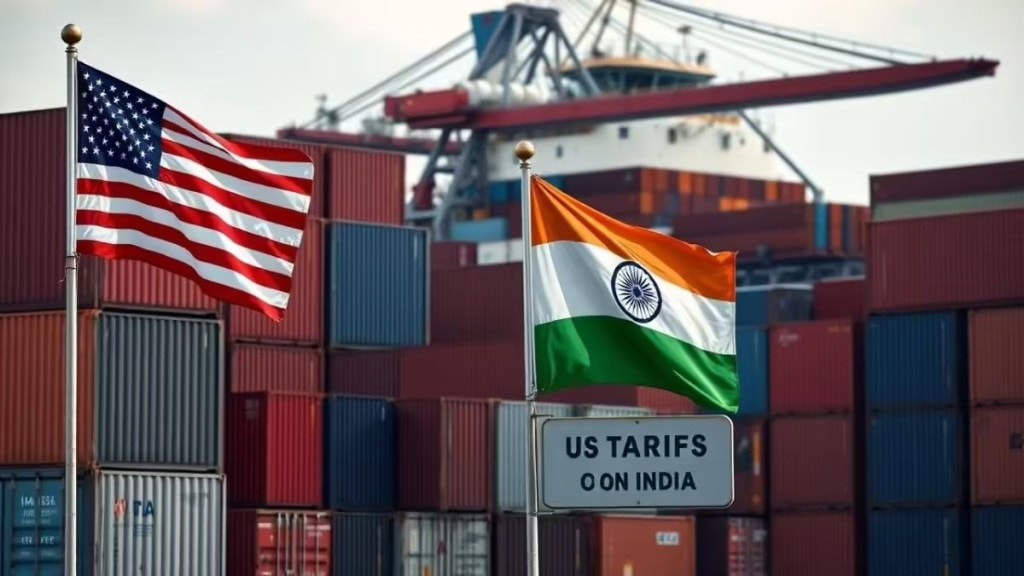
Another candidate is Tariff. Beginning April 2, 2025, the word appeared in every conversation. There was only one rival word — Trump! Trump and tariffs unmade the economies of several countries, and there is no end yet. For example, the reciprocal tariffs and the penalty (for buying Russian oil) on Indian exports to the U.S. remain, severely affecting exports of steel, aluminum and copper, textiles, gem and jewellery, marine products and chemicals. Mr Piyush Goyal’s promised bilateral trade agreement in the “near future” is as far away at the end of 2025 as it was in April, 2025.
GST is a strong contender. Eight years after the disastrous debut of GST, the central government lent a ear to good advice, and rationalised the rate structure and reduced the tax rates on a wide range of goods and services — yet the administrative harassment remains. Every body of traders has pointed out the nightmare of compliance with GST laws. Because the tax relief was too little compared to the size of retail consumption, the anticipated boost to consumption did not happen. Higher consumption was confined to the top deciles of the population.
WORDS THAT LOST
An unfamiliar phrase — Goldilocks year for the economy — entered the conversation but vanished quickly. The literary allusion was unfamiliar to even educated people. Besides, the IMF questioned the credibility of India’s national accounts. From the former chief economic adviser to professors to researchers, many spoke on the weaknesses of the economy. Ultimately, the clamour for jobs drowned out the officially sponsored celebration. Here is a sobering lesson: at current growth rates, the United States, China and India added in 2025 the following ‘output’ to their GDP (in constant USD):
| Country | Growth Rate | Output Added in 2025 |
| China | 4.8% | USD 931 billion |
| U.S. | 1.8% | USD 551 billion |
| India | 6.6% | USD 276 billion |
While China is closing the gap with the U.S. (the largest economy), the gap between India and China and between India and the U.S. is widening. There are many weaknesses in the Indian economy that the government refuses to acknowledge or, perhaps, even understand. The Hindu editorialized thus: ‘The 50 per cent tariffs by the U.S. are still in place, private investment remains sluggish, foreign capital is pulling out of the country, the weakening rupee is making imports making more expensive for an import-dependent economy, real wages are not growing fast enough, and consumer demand remains tepid’. The Goldilocks claim is hollow.
The once-upon-a-time commonly used word Secular has practically disappeared. It became the non-word of the year. Few people describe themselves proudly as secular. Editorial writers shun the word. Originally, secular meant separation of state and religion but, later, it acquired the meaning that a secular person’s values are based on reason and humanism, not religious doctrine.
THE SHAMEFUL ‘WINNER’
The retreat of secularism has given rise to Hate, a word condemned by every religion. Sadly, most examples of hate speech and hate writing are based on religion. Other spurs to hate are race, language and caste. The most evident hate is hate against Muslims, Muslim practices of dress and food, and Muslim places of worship. Muslim prayers are interrupted or restricted. The specious justification is that Muslims had invaded India and ruled over many parts of India for six centuries, and it is time for Hindus to show the Muslims their place. The other object of ire is the Christian community. Christian churches are vandalised, Christian priests and evangelists are killed, and Christian children singing carols are assaulted. All these in the name of asserting Hindu ‘rights’. Nothing can be more abhorrent to the Constitution of India than the idea of Hindu supremacy. The idea of India is built on the cornerstone of citizenship, not religion or race or caste or language. The vast majority of the Indian people celebrate Dr Abdul Kalam and Mother Teresa but a small number spreads hate against Muslims and Christians.
The most worrying aspect is the attempt to sanitise or legitimise such Illegal actions. The main culprits are the State, the leaders in pivotal positions, and some organisations that have been emboldened due to the patronage of the State. Their words, deeds or silence encourage the messengers of hate to commit depredations. This trend will splinter India and the inevitable will happen: an India that is broken up into fragments by narrow domestic walls.
For all these reasons, with profound shame and regret, I choose the word that defined India in 2025: HATE.