



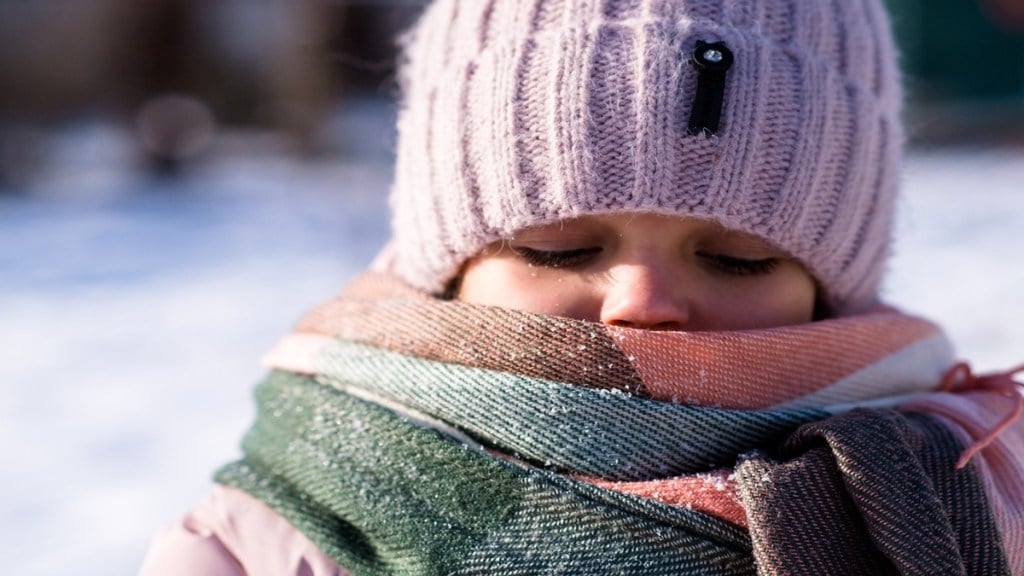
As the mercury drops, many people are fighting sneezing, coughing, and congestion. These symptoms can be caused by winter allergies or pollution, both of which peak during the colder months. According to Dr. Kuldeep Kumar Grover, Head of Critical Care and Pulmonology – CK Birla Hospital, Gurugram, though their effects can feel similar, knowing the difference between the two is key to relief and knowing when to seek help.
Winter Allergies: Indoor Triggers
Winter allergies are mainly due to allergens we are exposed to indoors during the cold season. Common allergens include:
- Dust Mites: These are small insects that like bedding, carpets, and furniture. They multiply best in the warm, moist indoor heating conditions.
- Pet Dander: Since people spend more time indoors with pets, exposure to dander irritates the respiratory system.
- Mold: Mold loves moisture-laden environments such as a bathroom or basement. Closed indoor spaces during winter months are conducive to allowing spores to collect.
- Lack of Ventilation: If windows are tightly closed for insulation against the cold, few opportunities exist for the release of indoor allergens such as dust and dander; these exacerbate symptoms.
Pollution: Outdoor Risks
Levels of pollution also generally increase during winter, sometimes exacerbating respiratory symptoms. Major culprits include:
- Vehicle Emissions: Idling engines and heavy traffic spew more pollutants into the air.
- Heating Systems: Wood, coal, or fossil fuel-burning furnaces release bad particles and gases.
- Temperature Inversions: Cold temperatures cause pollutants to be trapped close to the ground, resulting in smog and poor air quality, particularly in cities.
Recognizing the Distinctions
While winter allergies and pollution will leave you feeling terrible, they are triggered by different things and present differently:
- Symptom Triggers: Allergies tend to flare indoors after exposure to dust, mold, or pet dander. Pollution symptoms tend to worsen outdoors, particularly in areas with heavy traffic or industrial emissions.
- Duration: Allergy symptoms continue as long as you remain exposed to the allergen, for example, by remaining in a dusty or pet-filled environment. Pollution symptoms are usually better when you get out of the polluted environment or into fresher air.
- Medication Response: Allergic symptoms improve with antihistamines, nasal sprays, or other over-the-counter drugs. Pollutant symptoms may not respond to those treatments and can persist without the right control of the environment.
- Environment: Allergies have specific environmental causes such as pets or moldy areas inside the house. Pollution has environmental causes, especially outdoor exposure that occurs during days with poor air quality
When to Seek Help
You should see a doctor if your symptoms don’t get better or if they get worse. See your doctor if:
- You have had symptoms for over a week or they impact your life.
- You have existing conditions such as asthma or COPD that can exacerbate allergies and pollution.
- Symptoms are very severe, like difficulty in breathing, chest pain, or fever.
Combining Both Treatments
For winter allergies, clean your home regularly, use allergen-proof covers, and invest in an air purifier. For pollution, monitor air quality reports, keep outdoor activities to a minimum on smoggy days, and keep windows shut to seal out polluted air.
“Winter allergies and pollution might feel similar, but knowing the differences between them will help you find the right solutions. In case your symptoms don’t seem to improve despite the at-home care, then seek medical advice for the proper relief and better respiratory health,” Dr. Grover told Financial Express.com.