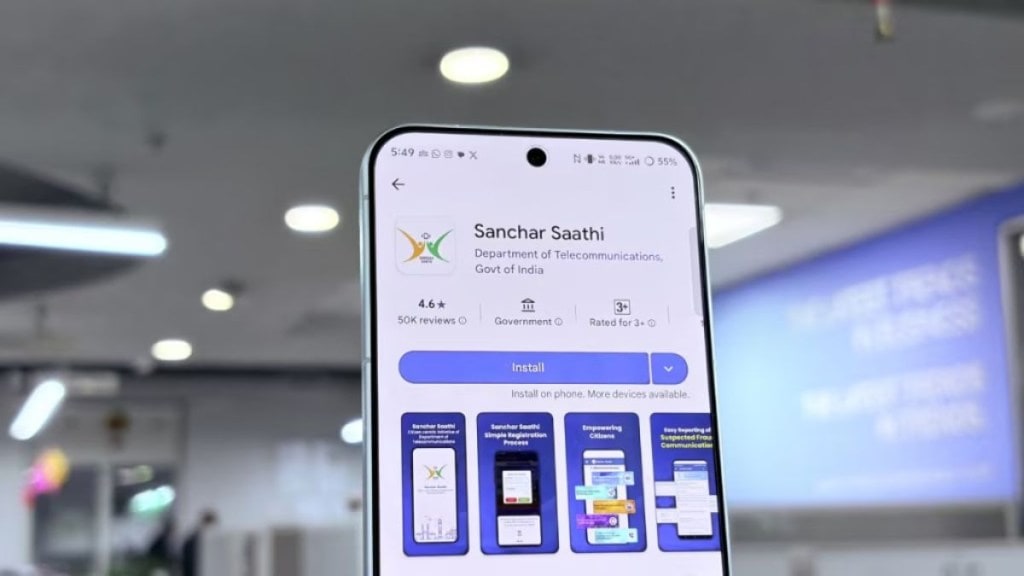
In a move which is sure to be opposed by handset manufacturers, the department of telecommunications (DoT) has issued a directive requiring that its fraud-reporting application Sanchar Saathi be pre-installed on all new mobile devices sold in the country within the next 90 days. The mandate covers both phones manufactured domestically and those imported into the country, marking the first time the government has ordered uniform, compulsory bundling of a specific consumer app across the handset ecosystem.
With nearly all major smartphone brands — including Apple, Samsung, Google, Vivo, Oppo and Xiaomi — manufacturing their devices in India, the mandate is set to have far-reaching operational implications.
What did industry representatives say?
Handset makers Fe spoke to said the mandate creates an avoidable burden for an industry already grappling with compliance pressures, rising component costs and profitability challenges. Industry representatives said that compelling manufacturers to pre-install a government-backed app effectively turns them into enforcement agents for policy initiatives that could be addressed through user-centric awareness programmes instead. Several executives said that consumer choice should not be compromised and that trust in the app would grow more naturally through outreach rather than compulsory embedding in devices.
What does the DoT order state?
The order, dated November 28, states that every manufacturer and importer will have to ship phones with the Sanchar Saathi app already present, without the option of disabling or restricting its functionality. DoT has further instructed companies to make the app clearly visible to users during the initial setup process. For millions of devices that have already been produced and are currently in the distribution chain, the department has directed manufacturers to roll out software updates to add the app retroactively.
Handset firms must file a report confirming adherence within 120 days of the directive. The order leaves little ambiguity about the consequences of non-compliance, pointing to action under Telecommunications Act 2023, Telecom Cyber Security Rules 2024 and other applicable laws.
Sanchar Saathi is positioned by the government as a consumer protection tool. The app allows users to check the authenticity of IMEI numbers, identify suspected SIM or device misuse and report lost or stolen handsets. Tampering with the 15-digit International Mobile Equipment Identity (IMEI) number is a non-bailable offence that can attract imprisonment of up to three years, financial penalties of up to Rs 50 lakh or both.
Subscribers can also flag fraudulent calls and cyber-enabled scams from within the interface, which feeds data into centralised tracking systems used by law-enforcement authorities. The push for universal adoption appears to be linked to the government’s broader effort to clamp down on rising telecom fraud and identity theft cases.
The order comes after last week’s directions requiring app-based communication platforms such as WhatsApp, Telegram and Signal to maintain constant linkage to a user’s active SIM card. The new rule mandates that the web versions of such apps automatically log users out at least once every six hours, compelling re-authentication via QR code each time. These players, too, have been given 120 days to file compliance reports with the DoT.