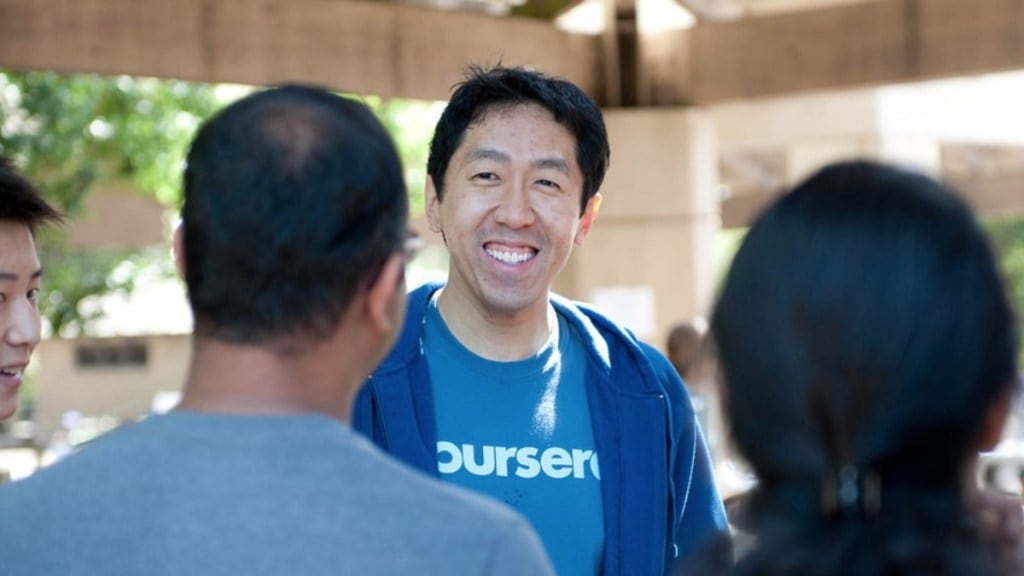
AI pioneer Andrew Ng, founder of Google Brain and co-founder of Coursera, has addressed the ongoing paradox in the AI industry. In his post, Andrew says that rapid advancements are creating unprecedented opportunities, yet companies are struggling to find skilled talent. “Another year of rapid AI advances has created more opportunities than ever for anyone — including those just entering the field — to build software,” Ng stated.
He emphasised that “many companies just can’t find enough skilled AI talent,” turning what some fear as job displacement into a call for more people to upskill. Ng shared his personal holiday routine of learning and building AI systems, encouraging others to do the same to sharpen skills and advance careers in tech.
Ng, a Stanford adjunct faculty member and former head of Baidu AI Group and Google Brain, positioned this as a timely moment for growth. “Every winter holiday, I spend some time learning and building, and I hope you will too,” he wrote, noting how this practice helps maintain expertise amid fast-paced changes.
Importance of structured learning: Avoid reinventing the wheel
Ng strongly advised against diving into AI projects without foundational knowledge, calling it ‘bad advice’ for those not already immersed in expert communities. He warned that without understanding basics, developers risk “reinventing the wheel or — more likely — reinventing the wheel badly.” Drawing from job interviews, Ng recounted examples of candidates who wasted time recreating standard techniques like RAG document chunking, Agentic AI evaluations, or LLM context management—issues that could be avoided with relevant courses.
He called for structured education as both efficient and enjoyable. “If they had taken a couple of relevant courses, they would have better understood the building blocks that already exist,” says Andrew. Ng added a personal touch, saying, “Rather than watching Netflix, I prefer watching a course by a knowledgeable AI instructor any day!” This approach, he argued, prevents unnecessary work and sparks innovation, allowing builders to improve upon existing solutions.
Hands-on practice and research
While courses provide the groundwork, Ng stressed that “taking courses alone isn’t enough,” likening it to learning airplane theory without ever piloting. “There are many lessons that you’ll gain only from hands-on practice,” he explained, highlighting how building AI systems reveals practical insights. With tools like agentic coders making creation easier than ever, Ng encouraged experimentation. “The good news is that by learning to use highly agentic coders, the process of building is the easiest it has ever been,” he added.
For advanced growth, Ng optionally recommended reading research papers, acknowledging their difficulty but value. “While I find research papers much harder to digest than courses, they contain a lot of knowledge that has not yet been translated to easier-to-understand formats,” he noted. Prioritising this lower than courses or building, Ng described the “flashes of insight” from papers as “delightful,” urging those tackling cutting-edge problems to build this skill.
Closing on a balanced note, Ng wished everyone a “wonderful winter holiday and a Happy New Year,” reminding followers to “spend time with loved ones — that, too, is important!” His message reframes the AI boom as an inclusive opportunity, provided individuals commit to a blend of learning, practice, and curiosity.