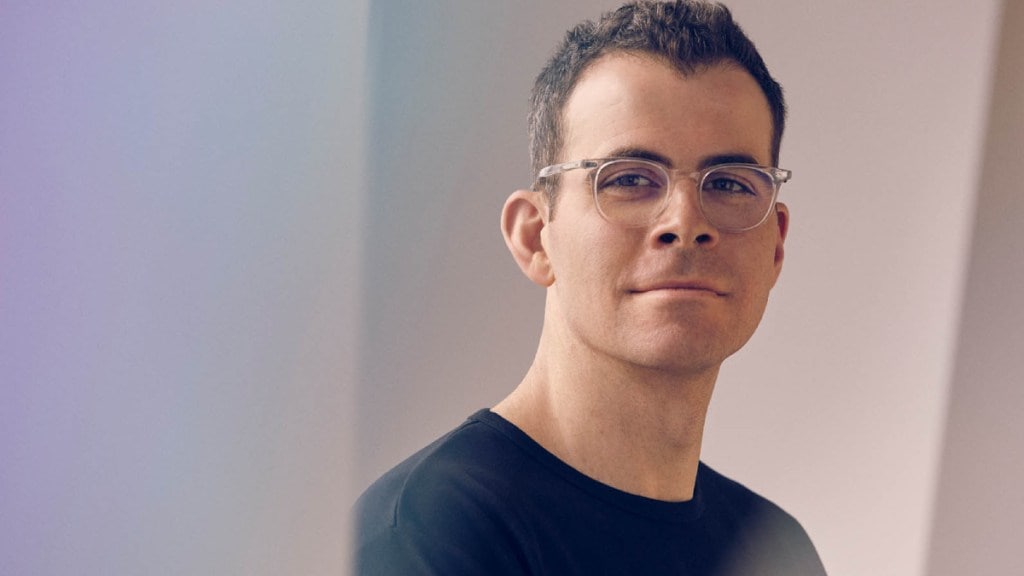
Instagram chief Adam Mosseri has issued a new warning about the transformative impact of artificial intelligence (AI) on social media, declaring that “authenticity will matter more than ever” as AI-generated content floods feeds and blurs the line between real and synthetic media.
In a detailed 20-slide carousel post shared on his Instagram and Threads accounts, Mosseri reflected on the challenges ahead for 2026, emphasising that rapid AI advancements pose the biggest risk to the platform’s relevance. “The key risk Instagram faces is that, as the world changes more quickly, the platform fails to keep up,” Mosseri wrote. “Looking forward to 2026, one major shift: authenticity is becoming infinitely reproducible.”
Eroding trust in digital media
Mosseri highlighted how AI tools, such as Google’s Nano Banana and OpenAI’s Sora, dominated trends in 2025, making it increasingly difficult to distinguish genuine photos and videos from AI creations. “For most of my life, I could safely assume photographs or videos were largely accurate captures of moments that happened,” he stated. “This is clearly no longer the case, and it is going to take us years to adapt.”
He predicted a societal shift from assuming content is real by default to starting with skepticism, noting that “flattering imagery is no longer valuable” because it’s “cheap to produce and boring to consume.” As polished aesthetics lose appeal, creators are embracing a “raw aesthetic” — blurry photos, shaky videos, and unflattering candids — often shared in private direct messages rather than public feeds.
“Everything that made creators matter—the ability to be real, to connect, to have a voice that couldn’t be faked — is now suddenly accessible to anyone with the right tools,” Mosseri added.
Instagram’s path forward: Labeling, verification, and originality
To counter these challenges, Mosseri outlined proactive steps for the platform, including developing better tools for creators, clearer AI content labeling, and stronger credibility signals based on posters’ identities. “We need to build the best reactive tools. Label AI-generated content and verify authentic content,” he urged. “Surface credibility signals about who’s posting so people can decide who to trust. Continue to improve ranking for originality.”
He suggested collaborating with camera manufacturers to implement cryptographic signatures at the point of capture—”fingerprinting real media” rather than chasing ever-improving fakes—as detection becomes harder over time.
While acknowledging complaints about “AI slop,” Mosseri noted there is also “a lot of amazing AI content,” and Instagram’s own Edits app supports AI creation. However, the focus must shift to elevating unique, human-driven originality.