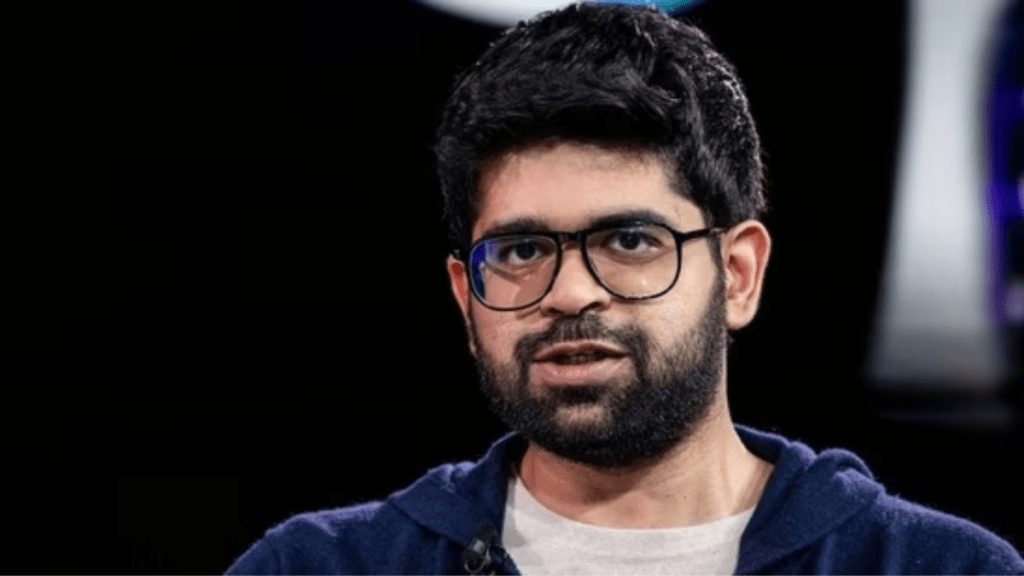
The biggest threat to AI data centers is going to be the rise of on-device AI. Aravind Srinivas, CEO of AI search engine Perplexity, has warned that the rapid advancement of on-device artificial intelligence could significantly diminish the relevance of the massive data centers currently powering the AI boom, potentially disrupting billions in investments by tech giants.
In a video clip from a podcast interview shared on X (formerly Twitter), Srinivas described local AI running directly on phones and laptops as the “biggest threat” to centralised data centers. “The biggest threat to a data center is if the intelligence can be packed locally on a chip that’s running on the device, and then there’s no need to inference all of it on one centralized data center,” Srinivas said.
AI’s current reliance on cloud
Today’s AI systems, including chatbots and image generators from companies like OpenAI, Google, and Meta, depend heavily on remote data centers equipped with powerful GPUs. These facilities process user queries sent over the internet, but they consume vast amounts of electricity, require significant maintenance, and cost billions to build and operate.
Srinivas highlighted how this model could shift dramatically as AI models become more efficient and compact. “The moment intelligence can be packed locally on a chip running on the device, data centers lose their importance,” he explained.
Advantages of local AI
Srinivas emphasised the benefits of on-device processing, noting that it would make AI interactions faster and more secure. “Local AI would be faster because the processing happens on your device itself,” he said. “It would also be more private, because your personal data wouldn’t leave your phone or laptop to be stored in the cloud.”
He went further, likening it to a personalised companion, stating, “Having your own digital brain that lives with you and learns from you.” This vision aligns with emerging trends in edge AI, where models adapt to individual users without transmitting sensitive data to remote servers.
Srinivas’s comments come amid a surge in data center construction, with industry analysts projecting investments nearing $1 trillion by the end of the decade.