



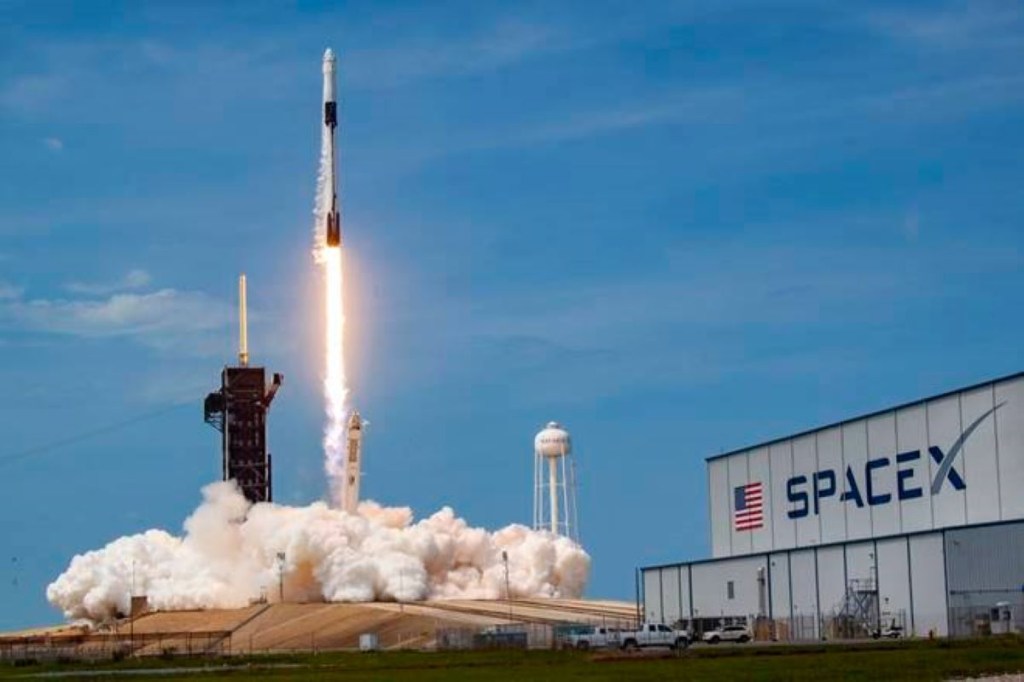
Human spaceflight is an intimidating technological challenge that only a few nations have even attempted. But commercial human spaceflight is even worse: it’s both technologically and economically challenging. As yet, only the extremely wealthy, privileged, and lucky can go to outer space as private commercial astronauts.
Sharing his views with Financial Express Online, Christopher D Johnson, Space Law Advisor, Secure World Foundation, says, “This will likely remain the case for years to come. Quite possibly however, commercial rivalries and market-driven innovation will try to bring these costs down, and you can bet that investors will be looking to see how they can get in on some of this burgeoning action. As we watch these companies advance, and as they suffer inevitable setbacks, it’s important to reflect that a new industry is developing.”
“There’s been a significant uptick in news coverage of private commercial spaceflight in recent weeks. And as the perceived competition between Blue Origin, SpaceX, and Virgin Galactic continues, this news coverage and comment will only increase,” DC based Space Law advisor says.
“Despite the varied news and opinions being expressed, what is actually significant is not really who’s “winning the race.” Behind the headlines, what matters more is that commercial human space activity seems to finally be accelerating. Commercial space companies are taking big, newsworthy steps in human spaceflight, making advances in their technical knowhow, and pushing each other to excel,” Mr Johnson opines.
According to him, “The commercial spaceflight industry has been eagerly anticipating this next month, these next few months, and this next year for quite some time. They have had the patience to work gradually and cautiously towards these first steps. Let’s see where it leads. Pay attention to the technology and the capabilities, and start to imagine what else can be done.”
“If we can put people into Low Earth Orbit (LEO) more cheaply and more often, and if we can launch larger amounts of mass into Earth orbit, or even to the Moon, what else should we do in outer space? What possibilities are being opened up?” he asks.
Of course, there many hurdles and challenges ahead. Outer space is already busy; there are serious issues of space traffic management and space debris to consider. National militaries still see outer space as primarily a security domain, where great powers might threaten each other.
In conclusion he states, “There are regulatory and oversight challenges, especially with an activity where the technology is still developing and changing. But for every problem that the pessimist sees as incurable, the optimistic mindset finds dozens of possible solutions. And we can expect that the optimists working in the commercial space industry will seek and find those solutions.”