We all know of the infamous Jeansgate controversy last year when Norwegian chess grandmaster Magnus Carlsen was fined and briefly disqualified from the International Chess Federation’s (FIDE) World Rapid Championship for wearing jeans, violating the dress code. He protested by walking out, but later returned to play the event after FIDE relaxed rules. This incident led FIDE to officially update its dress code to allow “appropriate jeans” in future tournaments. But Carlsen had auctioned his jeans for charity and fetched $36,100 (approx Rs 31.5 lakh) already.
FIDE’s Pivot
But in an unexpected turn of events this month, FIDE has announced a significantly relaxed dress code for World Rapid and Blitz Championships in Doha in December, “allowing classic non-distressed jeans for both men and women”, a year after the ‘jeansgate’ storm involving Magnus Carlsen at the same event. The updated regulations from the world chess governing body now allow dark business-casual trousers “including classic, non-distressed jeans in blue, black or grey for both men and women” for the Doha event from December 25 to 30.
Suits, unicoloured shirts, dress shoes, loafers and unicoloured sneakers are also allowed for men, while women may wear skirt or pant suits, dresses, dark trousers including jeans, blouses and similar footwear, stated the FIDE dress code requirements.
It also stated that clothing must be neat and free of rips, tears, offensive slogans or prohibited logos. T-shirts, shorts, baseball caps and beachwear remain banned.
Over the years, the dress code in sports has had immediate and divisive reactions. Some supporters frame such policies as a necessary step toward professionalising a game while others argue about its over policed notion of decorum that disregards accessibility, comfort, and cultural diversity.
Across the globe, dress codes have long been framed as a means of safeguarding tradition, standardising competition, or ensuring aesthetics. Even if athletes have challenged these restrictions, chess, unlike most sports, is a discipline focused on mental performance rather than physical movement.
The message from FIDE is clear: chess wants to look the part of a global, professional sport. But is professionalism synonymous with formality? Or can discomfort or policing of personal style disproportionately affect younger competitors, players from warmer climates, or those whose cultural clothing norms differ from other countries.
Beyond Chess
Chess is not the only sport confronting this friction. Across the world, dress and fashion controversies in sports illustrate how dress codes can shape athlete experience. The most widely publicised example came in 2021, when the Norwegian women’s beach handball team was fined for wearing shorts instead of regulation bikini bottoms. Their coach noted that the team simply wanted “to play the sport in clothing they could move in comfortably”.
Public backlash was so intense that even celebrities weighed in, pressuring the governing body to review the rules. In fact, American singer Pink offered to pay the €1,500 fine for the team. This, along with the team’s protest, ultimately contributed to relaxed guidelines, revealing how athlete voices can drive change.
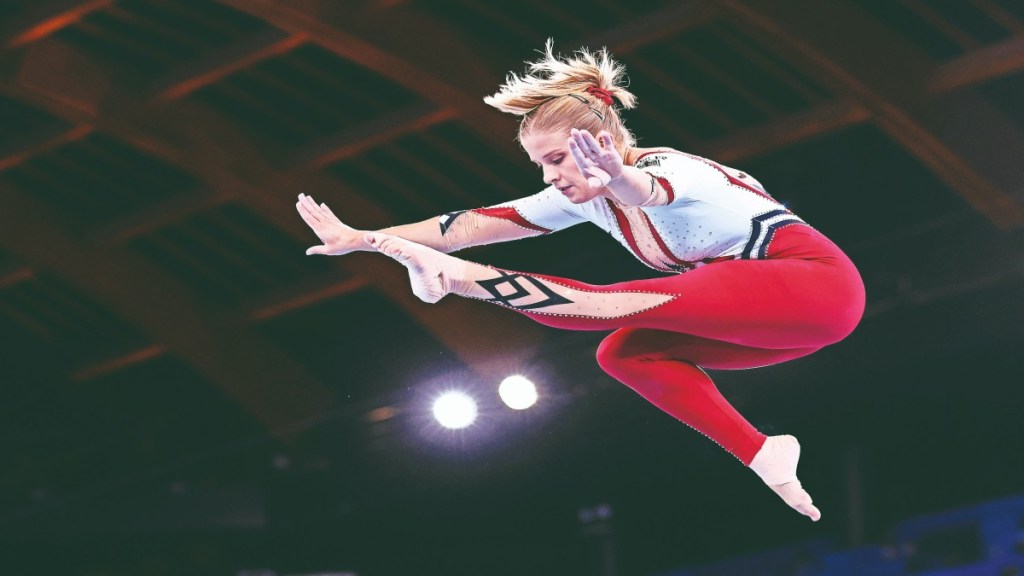
In gymnastics, the German women’s team made headlines at the Tokyo Olympics and later European Championships when they competed in full-length unitards rather than traditional high-cut leotards. Their choice was a direct stance against the sexualisation of female athletes.
Gymnast Sarah Voss said the team wanted to show that “everybody should feel safe and comfortable in sports,” and their attire sparked a global conversation about consent and cultural expectations.
At Wimbledon, famous for its all-white dress code, female players have recently spoken about the anxiety caused by competing in white during menstruation. In 2023, officials modified the rules to allow darker undershorts, acknowledging that tradition should not compromise athletes’ emotional well-being.
Track and field has also seen disputes. Star sprinter Sha’Carri Richardson has challenged norms by wearing long, decorated nails and colourful hair, while US high-school hurdler Alisha Lemann was briefly disqualified for wearing shorts deemed “too short,” sparking a debate over subjective enforcement. Meanwhile, hijab-friendly uniforms in FIFA football and FIBA basketball only became permitted in the last decade after sustained advocacy from Muslim athletes who were once forced to choose between sport and religious practice.
Sports dress codes have traditionally served multiple purposes, uniformity, safety, sponsorship visibility, or maintaining a certain aesthetic. In some cases, they’re central to identity: the iconic green jacket at the Masters, white gi in judo, or synchronised uniforms in rowing. But as global audiences and athlete demographics expand, expectations around fairness and representation shift. Today, sporting bodies confront an increasingly complex balancing act with professionalism and comfort, tradition and modernisation. Hence, the debate around dress codes needs to find a balance that honours heritage while embracing diversity.