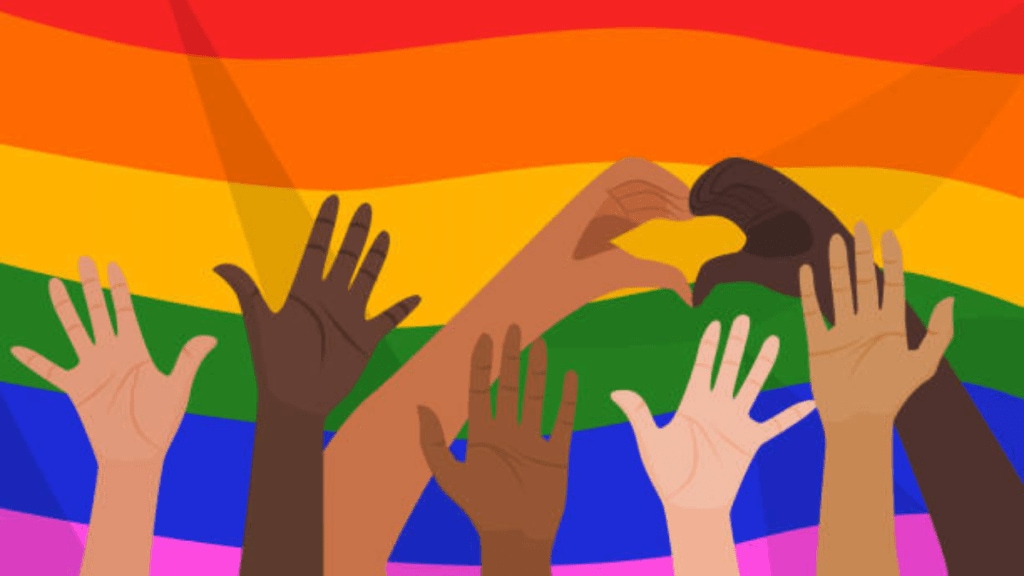
June is celebrated as Pride Month, a time to honour and support the LGBTQIA+ community worldwide. This month is dedicated to recognizing the diverse sexual orientations and gender identities that exist. Understanding these different identities is essential for fostering inclusion, respect, and mental well-being. Here’s a comprehensive guide to 15 sexual orientations you should know about:
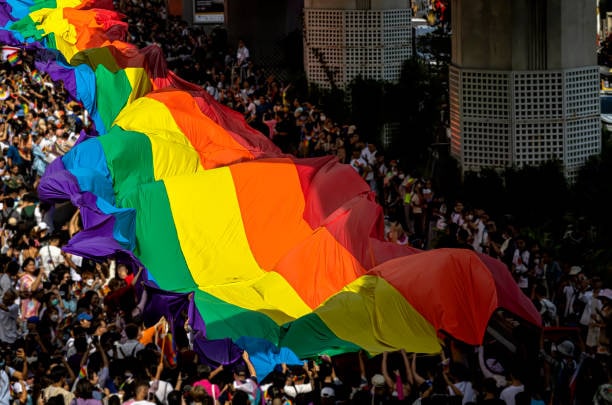
1. Gay
Gay individuals are romantically, emotionally, and sexually attracted to people of the same gender. While the term is often used to refer to men, some women also prefer to identify as gay rather than lesbian. It’s important to use this term respectfully and avoid using “homosexual” in a derogatory manner.
2. Lesbian
Lesbians are women who are attracted to other women. This term specifically refers to female same-gender attraction. Some women might choose to identify as gay, but lesbian is a more precise term for women who love women.
3. Bisexual
Bisexual people are attracted to both men and women. Their attraction isn’t dependent on having relationships with both genders simultaneously or ever. Bisexuality can vary in intensity and change over a person’s lifetime, reflecting fluidity in their attraction.
4. Queer
Queer is an umbrella term for those who feel that specific labels like gay, lesbian, and bisexual are too restrictive. It can also include individuals who are still exploring or questioning their sexual orientation or gender identity. Queer challenges the binary views of sexuality and gender.
5. Asexual
Asexual individuals do not experience sexual attraction to anyone. This doesn’t necessarily mean they don’t have romantic relationships; they simply don’t feel sexual desire. Asexuality exists on a spectrum, with some people experiencing low levels of sexual attraction only under certain conditions.
6. Aromantic
Aromantic people do not experience romantic attraction toward others. They might still have deep, meaningful relationships but without the romantic component. Aromantic individuals can be of any sexual orientation when it comes to physical attraction.
7. Heterosexual
Heterosexual, or straight, individuals are attracted to people of the opposite gender. This is the most common sexual orientation, often perceived as the societal norm, but it’s just one of many valid orientations.
8. Androsexual
Androsexuals are attracted to masculinity. This doesn’t mean they are only attracted to men; they can be drawn to anyone who embodies masculine traits. Androsexuality focuses on the attraction to masculine energy rather than the person’s gender.
9. Gynesexual
Gynesexual people are attracted to femininity. Similar to androsexuals, gynesexual individuals can be attracted to anyone who expresses feminine characteristics, regardless of their gender identity.
10. Bicurious
Bicurious individuals are exploring their potential attraction to both the same and opposite genders. This curiosity often leads them to question and understand their sexual orientation better, similar to the “questioning” part of the LGBTQIA+ acronym.
11. Demisexual
Demisexuals only experience sexual attraction after forming a strong emotional bond with someone. This orientation falls between asexuality and typical sexual attraction, highlighting the importance of emotional connection in their relationships.
12. Polyamorous
Polyamorous people engage in consensual romantic and sexual relationships with multiple partners simultaneously. In these relationships, all partners are aware of each other and agree to the dynamics. Polyamory focuses on openness, honesty, and mutual consent.
13. Skoliosexual
Skoliosexual individuals are attracted to genderqueer, transgender, and non-binary people. Their attraction is directed toward those who do not conform to traditional gender norms, emphasizing a preference for gender diversity.
14. Pansexual
Pansexual people are attracted to others regardless of gender. They are considered gender-blind in their attraction, meaning they are open to relationships with people of any gender identity.
15. Omnisexual
Omnisexual individuals, like pansexuals, are attracted to all genders but recognize and appreciate gender differences. They are not gender-blind; rather, they acknowledge the unique qualities of each gender in their attraction.