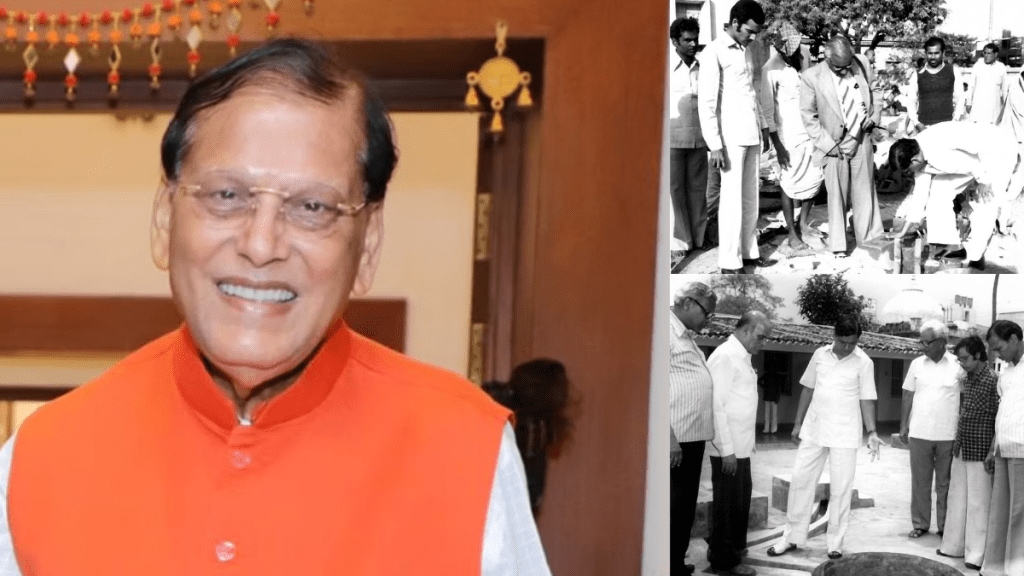
A Brahmin by birth who dedicated his life catering to the sanitation, Bindeshwar Pathak managed to blur all the caste and class lines in a country that has for decades stood on strict caste hierarchisation. Hygiene is undoubtedly an important aspect of human lifestyle and having proper sanitation facilities is essential. He was the founder of Sulabh International, an Indian social service organisation that advocates environmental sanitation, non-conventional sources of energy, waste management, and social reforms through education. Bindeshwar Pathak had a vision to keep the nation clean and he propagated the importance of sanitation in every nook and corner of the country. Let’s take a look at the journey of ‘Toilet man of India.’
Early Life
Bindeshwar Pathak was born in Hajipur, Bihar on April 2, 1943. He earned his sociology degree from Banaras Hindu University in 1964. He graduated from the University of Patna with a master’s degree in 1980 and earned his PhD in 1985. Dr. Pathak was an active speaker and writer who published numerous books, The Road to Freedom being one of them. He also frequently took part in international conferences on sanitation, health, and social advancement.
When Pathak joined the Bhangi-Mukti Cell of the Bihar Gandhi Centenary Celebrations Committee in 1968, he first became aware of the condition of scavengers, who had to manually remove waste risking their lives. He spent that time travelling all throughout India while conducting research for his PhD while staying with scavenger families and was a participant observer. Using that experience as a guide, he decided to take action, not just out of sympathy for the scavengers but also because he thought that scavenging was a dehumanising habit that would ultimately have a negative effect on contemporary Indian culture.
Bindeshwar Pathak’s initiative to start Sulabh International
In 1970, Pathak founded the Sulabh International, a social service organisation by fusing technological advancement with humanitarian ideals. The group uses education to advance non-traditional energy sources, waste management, human rights, environmental sanitation, and social reforms. There are 50,000 volunteers with the organisation. By tying Sulabh toilets to fermentation plants that he designed more than 30 years ago and that are now synonymous with sanitation in underdeveloped nations everywhere, he has creatively used biogas production.
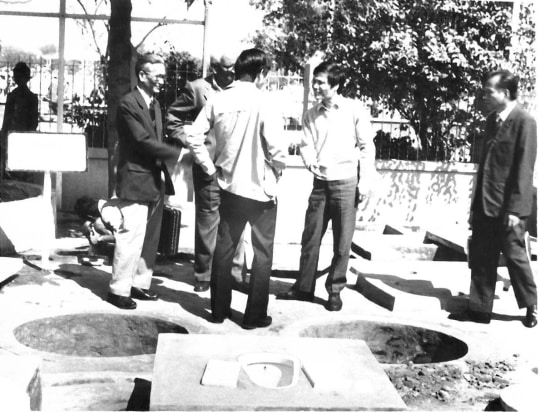
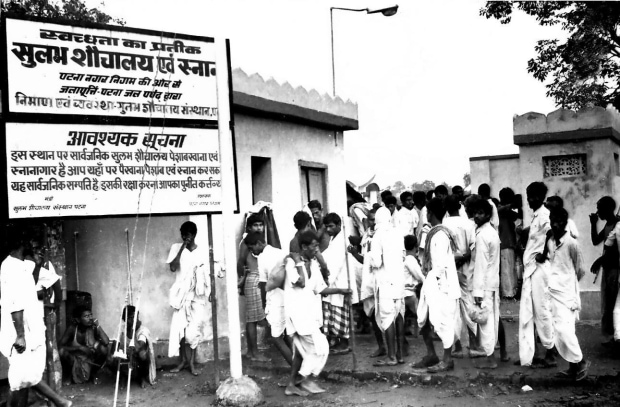
Sulabh’s contribution was monumental as he went on to build nearly 1.3 million household toilets and more than 10,000 public toilets as per The Guardian.
He became known as “Toilet Man” over time, which horrified his family and his fellow Brahmins and it raised a few eyebrows considering he hailed from a Brahmin caste. His neighbourhood was horrified by his obsession with building public restrooms; for many people, toilets were disgusting and should never be touched. According to a report by The Guardian, his hand accidentaly touched the sari of the Dalit woman who came to clean the house every day. When his grandmother noticed, she recoiled in horror. “I had been polluted so I had to be purified. My grandmother made the panchagavya (a mix) of curd, milk, ghee (clarified butter), and cow’s urine and dung and said I had to drink it,” he told interviewers.
A name to be remembered now and for generations to come
Tributes flooded in from across the political spectrum when Pathak, a sociology graduate, passed away on Tuesday in Delhi from a heart attack while participating in a programme honouring India’s Independence Day.
The nation suffered “a profound loss” as a result of his passing, PM Modi said on X, formerly Twitter. “He was a visionary who made significant contributions to societal advancement and the uplift of the underprivileged. Pathak had “made it his mission to build a cleaner India,” he continued.
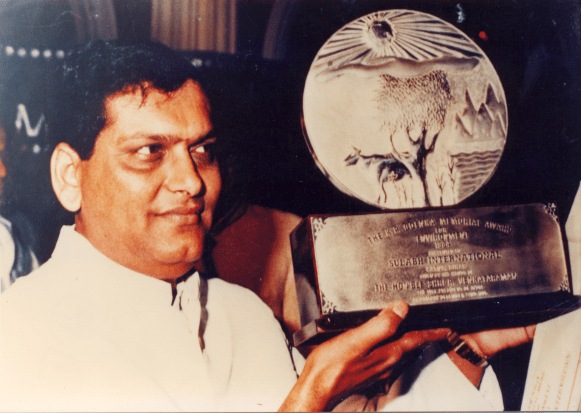
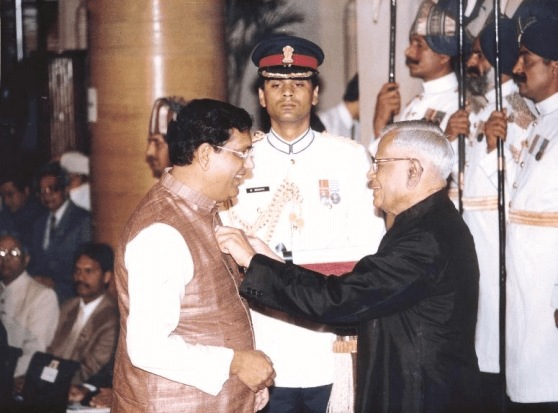
The Indian government awarded Padma Bhushan to Bindeshwar Pathak. His name was included on the Global 500 Roll of Honour in 2003. Additionally, Bindheshwar Pathak won the Dubai International Award for Best Practices and the Energy Globe Award. He received the Stockholm Water Prize in 2009. Prior to World Environment Day in June 2013, he also got the Legend of Planet honour from the French senate in Paris as per TOI report.
Pathak was invited to give a speech at The Cambridge Union, an English university’s debate organisation, in January 2011, The Hindu reported.