



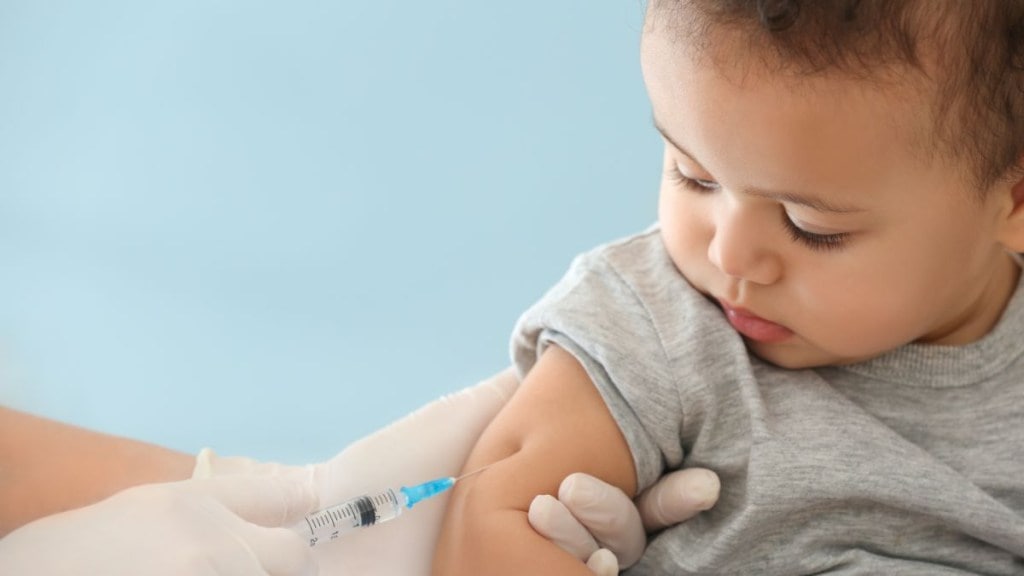
WHO expert group has ruled out any link between vaccines and autism spectrum disorders (ASD) on the basis of careful analysis of 31 research studies, from multiple countries. This has come a month after CDC updated its vaccine-autism guidance saying there could be a link between vaccines and autism.
The new analysis done by WHO global expert committee on vaccine safety found no casual link between vaccines and autism spectrum disorders, reaffirming WHO’s long-standing position that childhood vaccines do not cause autism.
The latest assessment has been done by Global Advisory Committee on Vaccine Safety (GACVS), an expert body established in 1999 to offer independent, authoritative scientific advice to the World Health Organization on vaccine safety priorities worldwide. The Committee convened on 27 November 2025 to review the most up-to-date research on vaccines, thiomersal, aluminium adjuvants, and autism.
How the committee reached its conclusion
The committee studied 31 primary research studies published between January 2010 and August 2025, which covered data from multiple countries and diverse populations.
Findings of the WHO committee
It was found that vaccines used during childhood and pregnancy have a strong safety profile, with no causal association existing between any childhood vaccines and ASD. This includes vaccines containing thiomersal, a preservative that has been at the centre of misinformation campaigns for more than two decades.
Trace amounts of aluminium in vaccines have been widely studied and found safe. The WHO ssays that no credible evidence connects aluminium exposure in vaccines to autism.
In its September 24 advisory, WHO also warned against reviving long-discredited theories, pointing out that a “robust, extensive evidence base” shows childhood vaccines do not cause autism.
Terming vaccines as life saver, the United Nations agency urged government to stay rooted in science and ensure their vaccine policy is based on evidence. Stressing on the transformative effect of childhood immunisation, WHO noted that 154 million lives were saved over the past 50 years, according to its estimates.
CDC sends shockwaves after changing vaccine-autism link guidance
In a surprising shift from its longstanding position, the CDC revised its vaccine-autism guidance. The guidance on its portal now says a link between vaccines and autism cannot be ruled out. This also left health experts worried about the spread of childhood diseases like measles and whooping cough, who are already on rise due to drop in vaccination rates post pandemic. These changes were reportedly ordered by Health Secretary Robert F. Kennedy Jr, despite his assurances during confirmation hearings that he would not alter CDC vaccine recommendations.
The origin of myth linking MMR vaccines to autism
The myth linking the MMR vaccine to autism originates from a 1998 Lancet paper by physician Andrew Wakefield, which has been fully retracted now and has been widely recognised as fraudulent. The study was based on a case series of 12 children and based on manipulated data, compromised by undisclosed financial conflicts, among numerous ethical violations.
Why Trump ordered review of childhood vaccine recommendations
On December 5, the White House released a fact sheet which outlined policy steps to change how childhood vaccines are recommended.
President Donald Trump signed a memorandum directing the heads of the Department of Health and Human Services and the Centers for Disease Control and Prevention to re-examine the country’s childhood vaccine schedule. The idea was to follow “best practices” used in other developed nations and review the scientific evidence behind their vaccination models. In case international schedules are found to be “superior” to the US system, the administration said it is open to aligning with them.
US President says the concerns about rising autism diagnoses has led him to take these steps. In the UK, autism rates rose by more than 780 percent between 1998 and 2018, while in the US, the figure has increased from 1 in 150 children in 2000 to 1 in 31 children by 2022.
However, experts say the rise in autism cases may be due to the broadening of diagnostic criteria, increased awareness among parents, and developmental screening becoming more prevalent.
WHO has reaffirmed its earlier conclusions from 2002, 2004 and 2012 studies that vaccines do not cause autism. Research studies over a period of time have emphasises that vaccines have no proven association with autism.