



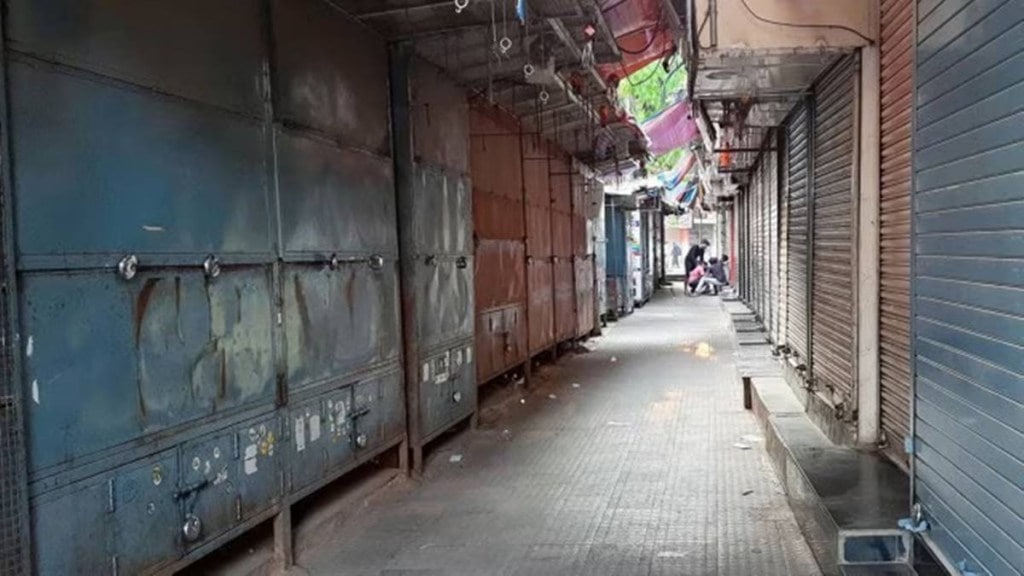
Multiple trade unions have called for a one-day Bharat Bandh on Wednesday. An estimated 25 crore workers from across the country are expected to take part in the strike. The workers who will be joining the strike come from various sectors such as farmers and agricultural labourers, people from banking and insurance, postal to coal mining, highway and construction.
Who is calling the Bharat Bandh today?
The shutdown was announced by a collaboration of 10 central trade unions and is backed by rural labour organisations and farmers. The aim is to challenge what they describe as the government’s “anti-worker, anti-framer and pro-corporate policy”. The bandh is headed by a forum of ten main unions, including All India Trade Union Congress (AITUC), Centre of Indian Trade Unions (CITU), Self-Employed Women’s Association (SEWA), Hind Mazdoor Sabha (HMS), Indian National Trade Union Congress (INTUC), and several others. Farmers and rural labour groups like Samyukta Kisan Morcha will also join the strikes. Farmers and rural labour groups like Samyukta Kisan Morcha will also join the strikes.
Why have trade unions called for a Bharat Bandh?
The unions’ core issues include objections to recent labour reforms, especially the four new labour codes. They assert that these new reforms undermine workers’ rights to strike, the right to organise, and bargain collectively. They have also raised concerns over the surge in unemployment, growing rural distress, inflation and shortage in public sector jobs.
The impact is far-reaching as banking, mining, postal and government-run industries like the steel plants and NMDC are expected to be severely impacted. Major public transport like rail services, state-run buses and coal operations could face disruption or delay. In Bihar, for instance, the railways have been on high alert at major stations and are expecting disturbances.
Meanwhile, private offices, schools and colleges are expected to be open in most places. However, local level interruptions are possible because of protest marches and restricted transport facilities. Essential services like the hospital, police and emergency services have been assured that they will operate as usual.
With unions warning that more widespread action will be taken if their demands are not met. Citizens are advised to plan ahead and expect delays in traffic delays in transport services in many areas.