



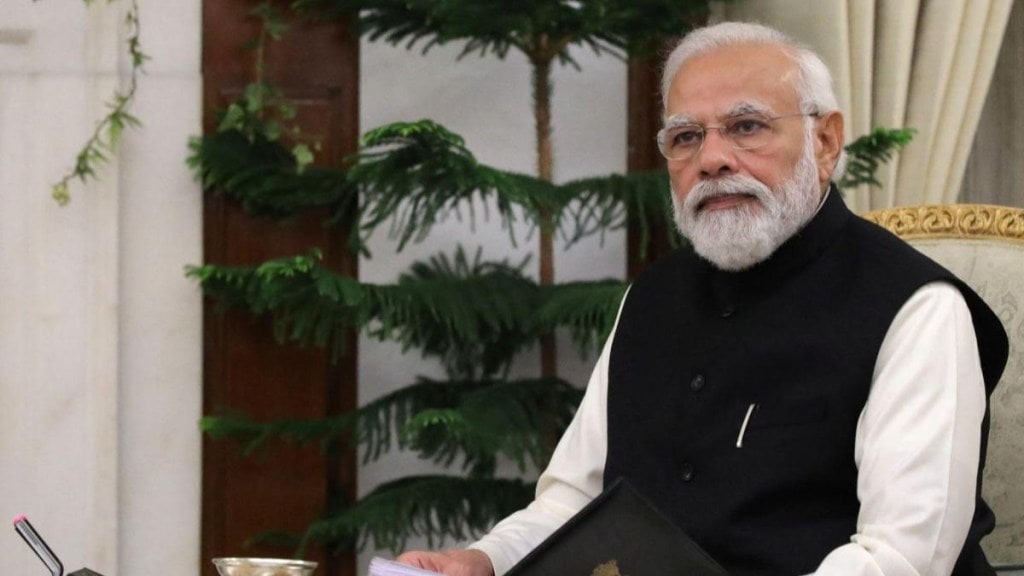
Union Budget 2026-27: Prime Minister Narendra Modi is set to meet a group of economists and sectoral experts on Tuesday (December 30) as part of the government’s pre-Budget consultations. The interaction comes ahead of the presentation of the Union Budget for 2026-27, which Finance Minister Nirmala Sitharaman is expected to table in Parliament on February 1.
According to multiple reports, the meeting is likely to focus on a wide range of economic issues at a time when both global and domestic conditions pose fresh challenges for policymakers. The upcoming Budget will be framed against a backdrop of heightened geopolitical uncertainty and a steep 50% tariff imposed by the United States on shipments from India.
Who will be attending the meeting?
Besides economists and sector-specific experts, the consultation will also be attended by senior officials from NITI Aayog, including Vice Chairman Suman Bery, CEO BVR Subrahmanyam and other members of the government’s policy think tank.
Sitharaman is also expected to participate in the interaction, which will provide a platform for experts to share assessments of the current economic situation and suggest priorities for the year ahead.
What’s on the agenda?
The discussions will reportedly cover both domestic and global economic outlooks, with inputs on growth prospects, fiscal management and structural reforms needed to sustain long-term development. Experts are also likely to flag areas where further policy action may be required to strengthen macroeconomic stability and address emerging risks, CNBCTV18 reported.
Such consultations with economists, industry leaders and sectoral specialists are a regular feature of the government’s pre-Budget exercise. The aim is to incorporate a broad range of perspectives before finalising policy choices, particularly in a year marked by external pressures and evolving global trade dynamics. The interaction at NITI Aayog is expected to feed into the government’s broader economic planning as it prepares the Budget.
Process of preparing Union Budget
The process of preparing the Union Budget typically begins months in advance, usually around August or September. It starts with the Ministry of Finance issuing detailed guidelines to central ministries, state governments, Union territories and autonomous bodies, seeking estimates of their revenue and expenditure. These submissions form the backbone of the Budget exercise.
Officials then scrutinise the data to assess likely revenue collections, expenditure requirements and the fiscal deficit. The Chief Economic Advisor plays a key role by offering guidance on economic trends and policy priorities. The CEA helps the government decide how resources should be allocated.