



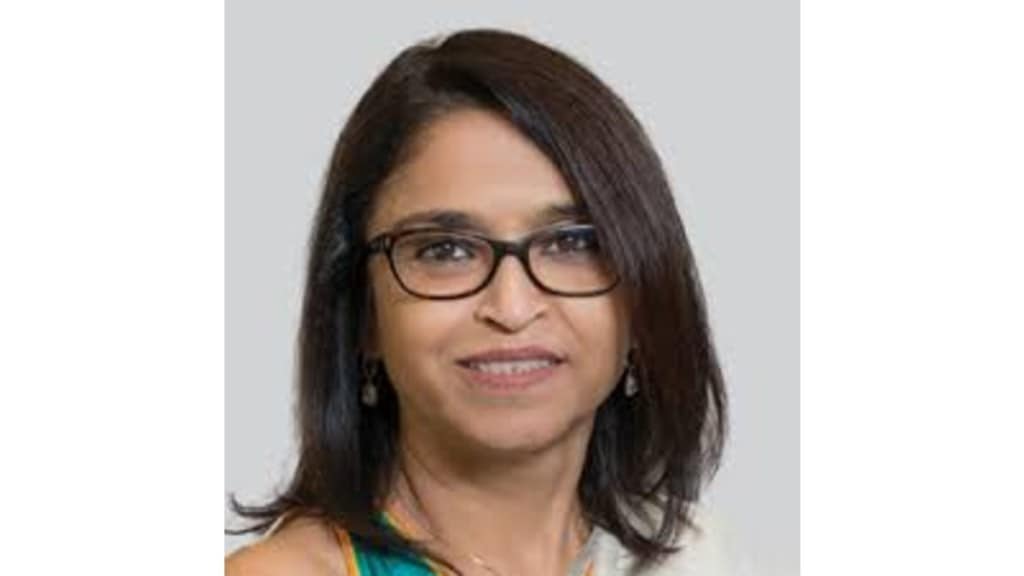
As artificial intelligence, hybrid work and digital transformation reshape workplaces, the role of HR is undergoing its most profound shift in decades. Achal Khanna, CEO – Society for Human Resource Management (SHRM) APAC & MENA, believes the future of HR lies in blending technology with empathy. In a conversation with Biswajiban Sharma, she discusses how SHRM is helping organisations prepare for a people-first digital era. Excerpts:
Q: Is AI redefining traditional HR roles?
A: Absolutely. AI is automating transactional functions like payroll and recruitment screening, freeing HR professionals to focus on strategic priorities — workforce planning, culture, and employee experience. With the rise of agentic AI, HR is evolving from a support function to a proactive, data-driven partner. For this shift to succeed, organisations must reskill their HR teams in data literacy, AI collaboration, and change management.
Q: How is SHRM helping HR professionals adapt to these changes?
A: SHRM is deeply invested in enabling HR teams to embrace AI and analytics responsibly. We’re providing certifications, learning frameworks, and technology partnerships that help HR leaders move from data collection to data-driven decision-making. The goal is to transform HR into a strategic copilot — capable of predictive workforce planning, personalised learning, and enhanced engagement.
Q: What are the major global HR trends SHRM sees across India, APAC, and MENA?
A: Each region is unique, but there’s a shared appetite for human-centric leadership. India reports some of the highest workplace culture ratings globally, yet faces retention challenges tied to pay sensitivity. APAC is focusing on inclusive leadership to bridge its diversity, while MENA is addressing high stress levels through culturally grounded well-being policies. The future lies in a “glocal” approach — global efficiency paired with local emotional intelligence.
Q: How can organisations retain top talent in today’s mobile workforce?
A: Retention now depends on growth, recognition, flexibility, and belonging. Employees stay when they see a clear future within the company, supported by continuous learning and transparent communication. Flexible work models and mental wellness support are no longer perks — they’re essentials.
Q: What long-term impact will hybrid work have?
A: Hybrid work is reshaping organisational design. We’re moving from rigid hierarchies to flexible structures where decisions are faster and roles more fluid. HR must ensure clarity, collaboration, and trust across distributed teams.
Q: Finally, how is SHRM India adapting post-pandemic?
A: SHRM India is championing tech-enabled, inclusive, and future-ready HR practices. We’re helping leaders navigate hybrid realities while building workplaces where technology empowers — but people remain at the centre of every transformation.