



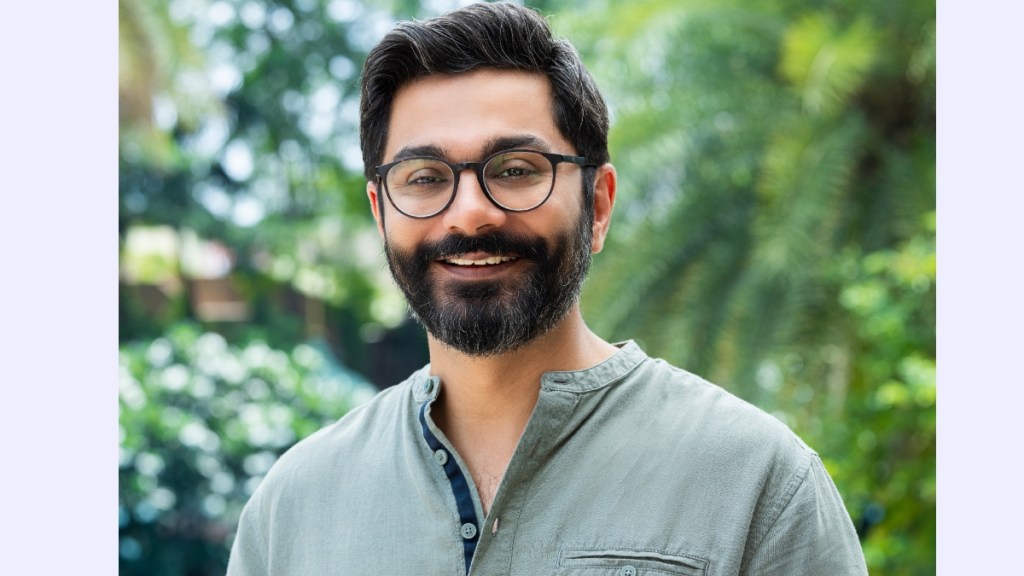
In 2009, Varun Dua was restless. The global financial crisis had shaken up Tata AIG General Insurance, where he had spent five years after his MBA. Management churn followed, and so did doubt. Looking for a reset, he moved to Franklin Templeton, hoping mutual funds would be a better fit. It wasn’t. “I was bored,” he says.
Outside his office, the world was shifting. Flipkart had just launched, Facebook was scaling rapidly, and the iPhone was changing how people interacted with the Internet. Dua began to feel he was on the wrong side of history. The future was digital, and he wanted in. What he didn’t yet know was that he wasn’t done with insurance. He would return to it, not as an employee or intermediary, but as the founder of Acko, India’s first digital-native insurance company.
There was no founding ambition driving him. “I had no intention of becoming a founder,” he recalls. Born in Delhi and raised in Mumbai, Dua followed a familiar middle-class path. After a B Com from RA Podar College in 2001, he began preparing for the CA exams alongside college. Midway, he dropped out. It felt too long and too rigid. Almost on impulse, he took the MBA entrance exams and landed at MICA, specialising in marketing.
His early career was split between insurance and mutual funds. After Franklin Templeton, he took a break to think through his next move. During this period, conversations with a friend, and later with a developer from IIT Bombay, led him to a practical problem: insurance companies were struggling with outdated systems, manual processes and poor data infrastructure.
They began experimenting with solutions, which soon became Glitterbug Technologies, a back-end software company for insurers.
By 2010, insurers like ICICI Prudential were signing on. The company was profitable and had found a niche white space in insurance software. But when Dua tried to raise capital to move from services to products, the response was lukewarm. Even in the best-case scenario, the business would cap out at Rs 200–300 crore in revenue.
That realisation forced another rethink. While exploring ideas that could scale, Dua observed that marketplaces like Policybazaar were popular, but customers still couldn’t actually buy insurance online. Insurers’ core systems weren’t integrated with marketplaces, and online payment infrastructure wasn’t trusted for large transactions. Drawing on his experience building integration layers, Dua decided to create a marketplace where customers could complete the transaction online.
In early 2014, he acquired a broking licence and launched Coverfox, integrating with four to five insurers he already knew well. Accel and Elevation Capital backed the idea early. The growth was quick. Within two and a half years, Coverfox crossed Rs 150 crore in revenue.
Still, something felt off. Years inside insurance had given him a few hard insights. Insurance doesn’t behave like e-commerce. Marketplaces thrive on abundance — millions of products and sellers. Insurance had barely 20–25 companies, of which customers trusted maybe 10.
Then there was frequency. Car insurance is bought annually, health insurance every few years, and life insurance perhaps once in a lifetime. That made habit-building and loyalty extremely hard. Most critically, the customer experience wasn’t in the marketplace’s control. Claims were handled by insurers.
Solving the Plumbing Problems
All signs pointed to one conclusion: customers didn’t want choice, they wanted trust. In 2016, Dua made a pitch that startled his investors. “We should become an insurance company ourselves.”
The idea made sense, but execution seemed implausible. A licence required `500 crore in capital, and regulators were cautious about startups managing public risk. What happens, they asked, if a black swan event triggers a surge in claims?
Dua persisted, engaging repeatedly with the Irdai. He argued that innovation had transformed payments and lending, while insurance remained stagnant.
After months of discussions and support from industry veterans, the regulator allowed Acko to apply. The licence came through in late 2017. In 2018, Acko sold its first policy.
Becoming the insurer changed everything. By selling directly, Acko eliminated agent commissions. Renewals came directly, retention improved, and pricing became more competitive.
Car insurance became the entry point. It was mandatory, easy to understand, and low-risk for first-time users. Today, Acko is among the top auto insurers in cities like Bengaluru and Hyderabad. Unlike traditional insurers, where agents often own the customer relationship, Acko controls both pricing and data.
Scaling the Digital Frontier
With over 100 million policies sold, more than 10 million app users, and profitability within reach, Dua is now building the next phase. Acko has secured a life insurance licence and is scaling health insurance rapidly. In FY25, revenue rose to Rs 2,837 crore from Rs 2,106 crore the previous year, while net losses narrowed by 37% to Rs 424 crore.
Looking back, Dua sees a single thread running through what appears to be multiple ventures. “I kept at it and never bothered to figure out any other sector,” he says.