



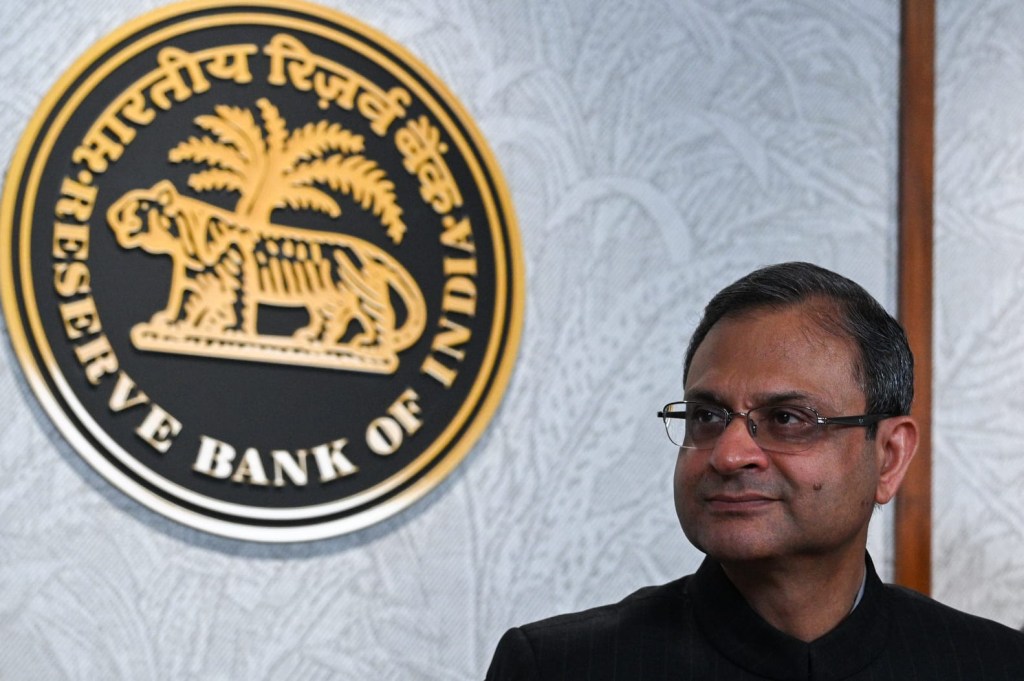
In a move to support liquidity in the system, the Reserve Bank of India (RBI) Governor Sanjay Malhotra announced liquidity management operations, which will inject around Rs 1.5 lakh crore into the system. The central bank said that it will conduct bond purchases worth Rs 1 lakh crore through open market operations (OMO) and a three-year USD/INR Buy Sell swap of $ 5 billion in December.
Kanika Pasricha, chief economic advisor, Union Bank of India believes that this will provide short-term relief to the bond market, adding that the RBI has frontloaded the liquidity operations. “Although the existing liquidity measures seem adequate for the time being, any additional steps will depend on the extent of further forex-related impacts on liquidity and whether the RBI accepts the Rs 40,000 crore maturity in January,” she added.
What do banking sector reps anticipate?
Gaura Sengupta, chief economist of IDFC First Bank expects the 10-year G-sec yield to trade between 6.35% and 6.55% in the near-term.
Malhotra reiterated in his statement that the central bank is committed to provide sufficient durable liquidity to the banking system. And it continuously assesses the durable liquidity requirements of the banking system due to changes in currency in circulation, forex operations, and reserve maintenance. “Going forward too, we shall continue to do so,” said Malhotra, adding that the primary purpose of OMOs is to provide liquidity and not to influence G-sec yields.
OMO purchase to be conducted on Dec 11,18
Later in the day, the RBI said that it will conduct OMO purchase auctions of Rs 50,000 crore each in two tranches on December 11 and December 18, while USD/INR Buy/Sell Swap auction will be held on December 16. It also announced tenures from 2029 to 2050. At the press conference, Malhotra stated that the RBI will issue a diversified and balanced OMO across maturities based on economic needs and demand.
This comes at a time when liquidity was slightly under pressure since September-end on account of increase in currency in circulation and the RBI’s FX intervention. The advance tax and GST outflows will further add pressure on the liquidity. The possible RBI intervention to support the rupee may increase liquidity pressures going ahead.
The system liquidity averaged to Rs 1.78 lakh crore in November compared to Rs 3.04 lakh crore in July. As on December 4, the system liquidity stood at Rs 2.66 lakh crore.
“Securities across tenors were announced, which is positive for the market. The quantum of off-take in specific tenors will likely drive the yield curve movement, even as it stayed little changes despite the bazooka announced today (Friday),” added Pasricha.
“The inclusion of the 2050 bond reflects efforts to address the supply-demand mismatch in ultra-long bonds,” added Sengupta.