



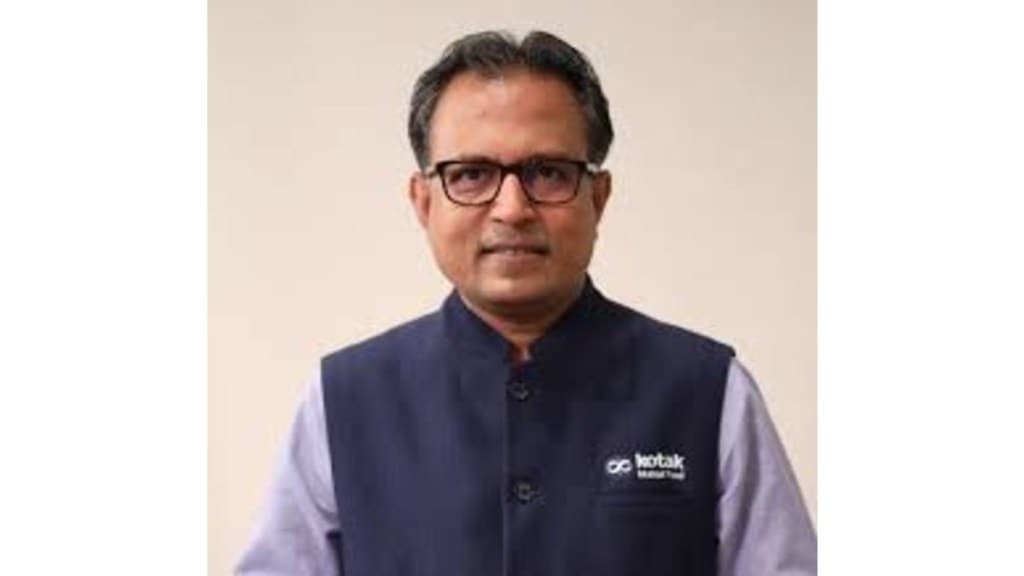
After a tepid performance by secondary markets in 2025, Nilesh Shah, MD, Kotak AMC expects things to improve in 2026. Shah tells Joydeep Ghosh that midcaps could outperform large and small caps though margins may be narrow. Excerpts:
2025 was a slow year for the stock market. How do you see 2026, in terms of performance?
2025 has indeed been a subdued year for Indian equities, with the Nifty and Sensex delivering modest single-digit returns amid global uncertainties, FII outflows, and a correction in broader markets. Yet, India’s structural growth story remains intact—driven by domestic consumption, infrastructure push, and policy reforms.
Looking ahead to 2026, I am cautiously optimistic. Earnings growth is likely to rebound into double digits in FY27, valuations have normalised from peak premiums, and domestic liquidity through SIPs and DIIs continues to provide strong support. We may see moderate equity returns, anchored in fundamentals/ earnings growth rather than multiple/ valuation expansion. Midcaps could outperform large and small caps, though margins may be narrow. Focus on quality—sectors with structural tailwinds like financials, consumption discretionary, capital goods, infrastructure, IT leveraging AI, defence, and select manufacturing.
Read FE 2026 Money Playbook: Your Ultimate Investment Guide for the new year
IPOs, however, did remarkably well for the entire year. Do you see the enthusiasm sustaining?
2025 was a blockbuster year, with record fundraising of nearly Rs 2 lakh crore across mainboard and SMEs, and robust listing gains in many cases. This enthusiasm reflects India’s maturing primary market and investor appetite for growth stories. I believe it will sustain into 2026, supported by economic revival and policy continuity, though selectivity will be key—quality issuances in new-age and traditional sectors should continue to attract capital.
After the correction in 2025, do you see mid-cap and small-cap valued better or there is still some froth?
Post the 2025 correction, midcaps have seen valuation comfort emerge on a selective basis, especially after underperformance. Froth has reduced significantly, However, some pockets especially in small caps may still carry unsustainable premiums. Midcaps, balancing growth and stability, are poised to lead relative outperformance in 2026.
The US trade deal has kept the rupee under severe pressure, thereby making is the worst performer in Asia. Do you see things panning out better for the Indian currency in the coming year?
The rupee faced severe pressure in 2025, becoming Asia’s worst performer due to psychological factors of stalled US-India trade deal and fundamental factors of difference in productivity and inflation vs our trade partners. If a favourable bilateral trade agreement materialises in 2026, along with easing global rates, we could see stabilisation but the destiny of rupee remains to depreciate till such time our productivity improves.
The implementation of GST 2.0 is expected to give a boost to corporate balance sheets in the third quarter. Do you see the impact lasting in the coming quarters?
GST 2.0, implemented from September 2025, has simplified slabs and reduced rates on essentials, boosting consumption especially at the bottom end of pyramid. The Q3 impact on balance sheets should extend into subsequent quarters, aiding volume growth in consumer-facing sectors and providing a lasting tailwind.
What are some of the key themes that one should look out for in 2026?
Domestic consumption revival (rural recovery, discretionary spending), financials (better liquidity, bottoming out of NIMs and higher credit growth), infrastructure and capex, India-centric manufacturing (PLI benefits), defence, and selective IT/chemicals. Multi-asset allocation remains prudent—equities for growth, debt for stability, and precious metals as hedges.
FIIs have been significant sellers in 2025, when do you think they will make a comeback?
Yes, FIIs were significant net sellers in 2025 (~Rs 1.6 lakh crore outflows), diverting to other markets. Their comeback could begin in 2026 as earnings visibility improves, valuations attract, and global liquidity eases—likely turning buyers by FY27. We need a little bit of luck also to attract FPI flows. Dollar depreciation and Trumponomics should push investors to take money out of the US. Chinese markets which are trending up like the previous five times fail to move to next orbit. Outflow from the US and underperformance of China will divert FPI flows to Indian markets.
India’s long-term story shines brighter than short-term volatility. Stay invested with discipline but most importantly moderate return expectations, and focus on quality.