



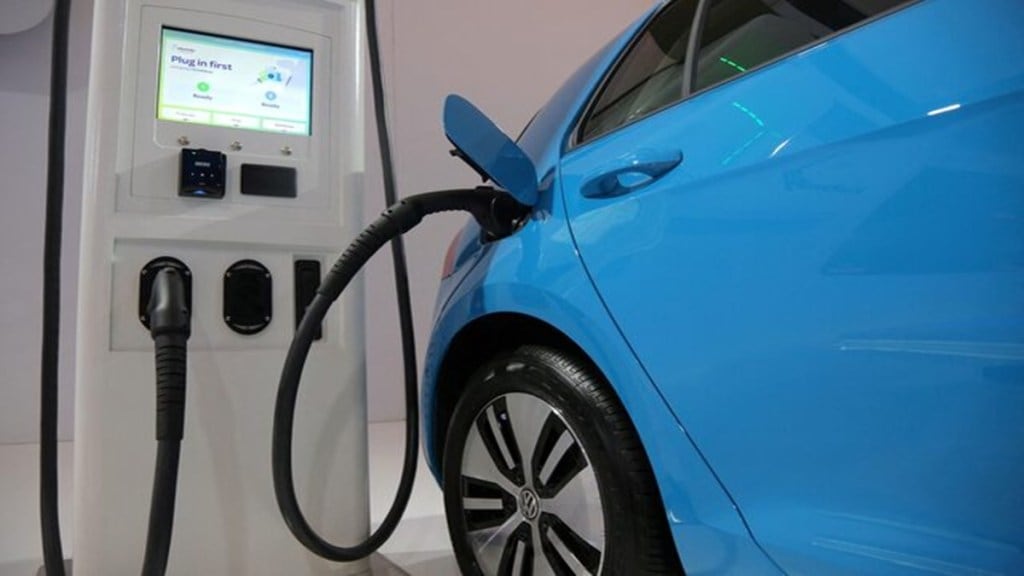
The contest between electric vehicles (EVs) and strong hybrid cars for government incentives is set to intensify, with sales data for calendar year 2025 pointing to a narrowing gap between the two technologies even as EVs retain a numerical lead.
Strong hybrid vehicle sales crossed the 100,000-mark this year, reaching 102,331 units by December 19, compared with 57,290 units in 2024, an increase of about 79% year-on-year. Over the same period, EV sales rose to around 169,645 units, up from about 99,800 units last year, translating into growth of roughly 70%. While EVs continue to outsell strong hybrids in absolute terms and command close to 4% of the passenger vehicle market, the faster pace of growth in hybrids has reduced the distance between the two.
Growth Paradox
This trend is likely to assume policy significance as automakers intensify their lobbying on incentive structures. The debate is not about hybrids versus EVs in aggregate, but about which technologies should qualify for public support. Overall hybrid sales, including mild hybrids, are already well ahead of EVs. A total of 248,673 mild-hybrid vehicles were sold in 2025, taking combined hybrid volumes well beyond EV numbers. However, mild hybrids do not qualify for any government incentives or subsidies and are treated on par with conventional internal combustion engine vehicles, making them largely irrelevant to the subsidy debate.
The focus, therefore, remains on strong hybrids, which use larger batteries and electric motors and can operate on electric power alone for short distances. Automakers argue that these vehicles deliver substantial fuel-efficiency gains and lower emissions without the range anxiety and charging constraints associated with EVs. That pitch appears to be resonating with a segment of buyers. Industry executives say customers who remain hesitant about fully electric mobility are increasingly opting for strong hybrids as a transitional solution.
EVs, for their part, continue to benefit from a far more favourable policy regime. They attract a concessional 5% GST rate, along with road tax waivers and state subsidies in most large markets. Strong hybrids face a much higher effective tax incidence, running up to 48%, and receive limited incentives in only a handful of states, often at levels well below those offered for EVs. Despite this, their growth has come from a relatively narrow product portfolio, with fewer than a dozen models sold by Toyota, Lexus, Maruti Suzuki and Honda, compared with nearly 50 EV models across mass and premium brands.
Policy Friction
Earlier this week, a parliamentary committee recommended that government incentives and subsidies be confined to zero-emission vehicles and not extended to hybrids, arguing that hybrid technologies remain dependent on fossil fuels and risk diluting long-term decarbonisation goals.
With EV adoption still constrained by charging infrastructure gaps and higher upfront costs, and strong hybrids gaining ground without comparable policy backing, the clash between the two camps is unlikely to ease.