



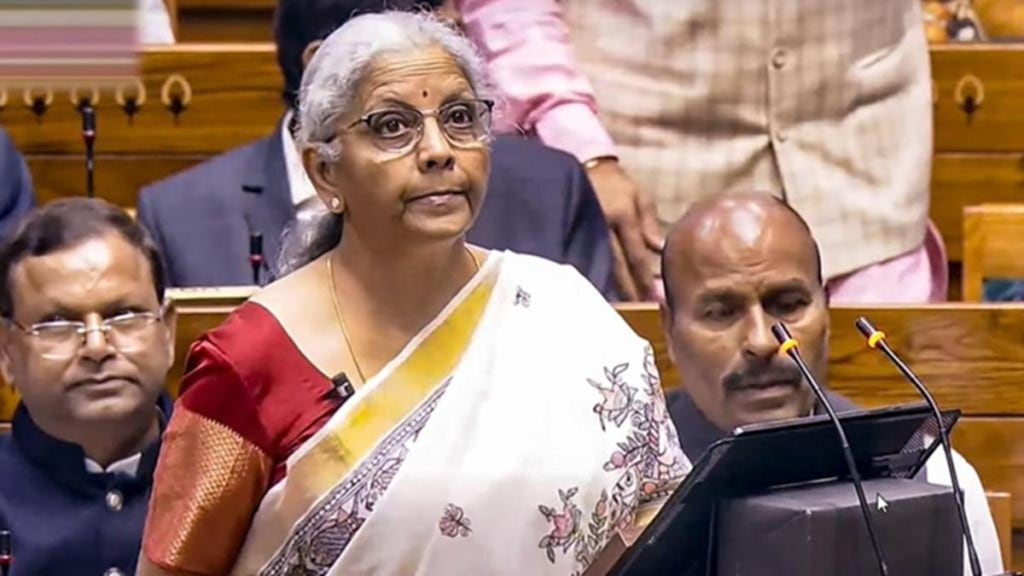
The Lok Sabha on Friday passed the Health Security and National Security Cess Bill, 2025, paving the way for a dedicated cess on pan masala manufacturing units to fund the strengthening of national security and public health systems.
The Bill was cleared by voice vote after Finance Minister Nirmala Sitharaman responded to an extensive debate, clarifying that the cess will be shared with the states, as public health falls under the State List.
What did Sitharaman say?
Sitharaman said the cess aims to create a “dedicated and predictable resource stream” for two areas of national priority—health and defence. The levy will apply to machines installed or production processes used in the manufacturing of pan masala and similar products, and will be imposed based on production capacity. This cess will be over and above the existing GST regime.
She emphasised that the move will not affect GST revenues. Pan masala will continue to be taxed at the highest GST slab of 40% based on consumption, ensuring that the new cess operates independently of GST inflows.
Sitharaman on financing of modern warfare
The minister also noted that the cess as a percentage of gross total revenue stands at 6.1% in the current fiscal, lower than the 7% average recorded between 2010 and 2014.
Highlighting the need for enhanced defence spending, Sitharaman underscored that modern warfare increasingly relies on precision weaponry, cyber capabilities, space-based systems, and advanced surveillance technologies—all of which are capital-intensive. While defence is a central subject, she said the Centre must mobilise adequate resources to meet evolving security challenges.
Sitharaman said that cess collection did not begin after 2014, as several major cesses existed earlier. A crude oil cess has been in place since 1974, with sizeable transfers to the Oil Industry Development Fund in recent years. The National Calamity Contingent Duty (since 2001) and the Road and Infrastructure Cess (since 2000) have also generated substantial collections and transfers. Between 2014–15 and 2025–26, health and education cesses transferred exceeded collections. Post-2014, the Agriculture Infrastructure and Development Cess was added. GST Compensation Cess transfers nearly matched collections, pending Accountant General certificates from two States.