



A recent study by consultancy firm EY India noted that more than 50% of domestic consumers were switching products quickly, opting for private labels as they sought better value, price and pack sizes. This behaviour, the consultancy noted, is expected to grow, as consumers see no problem in introducing multiple brands into their grocery baskets.
The insight is a telling reminder of how purchasing behaviour is evolving in the country. Quite simply, the days of brand loyalty are over. Consumers are open to experimentation, with repertoire—the propensity to buy multiple brands—becoming the new buzzword in marketing.
In India, this trend is showing up in the growth of small and regional brands as well as D2C brands in FMCG. At the same time, the rise of content creators or social media influencers has meant that the linear model of advertising, that is, communication from brand to consumer, is undergoing a dramatic shift.
The rise of influencers
Consumers are increasingly turning to content creators before making brand choices. Artificial intelligence (AI) tools are also adding their own level of disruption to the marketing process as they compress timelines and increase outcomes. Redundancies are a growing concern in marketing departments.
“In such a scenario, the marketing team itself requires a reset,” Snehasis Bose, group chief strategy officer, Saatchi & Saatchi India, BBH India and Saatchi Propagate, said at the FE BrandWagon Conclave on Friday. The day-long summit brought together marketers, creative directors and brand heads to decode the influence and impact of brand communication in the AI age.
“The challenge for marketers is how can they make small structural shifts that can give sharp returns without a dramatic change in teams. The answer is a four-step shift–from waterfall to loop,” he said.
This four-step shift involves setting up an intelligence council, an experience team, a cultural insight translator, and a shared dashboard involving marketing personnel as well as agency partners. “This creates a continuous intelligence loop that transforms your team’s rhythm,” he said.
He also said that brand teams and their digital agencies should maintain a unified content calendar, an important exercise at a time when influencer marketing is resulting in multiple voices and faces in brand communication.
What did Manisha Kapoor say?
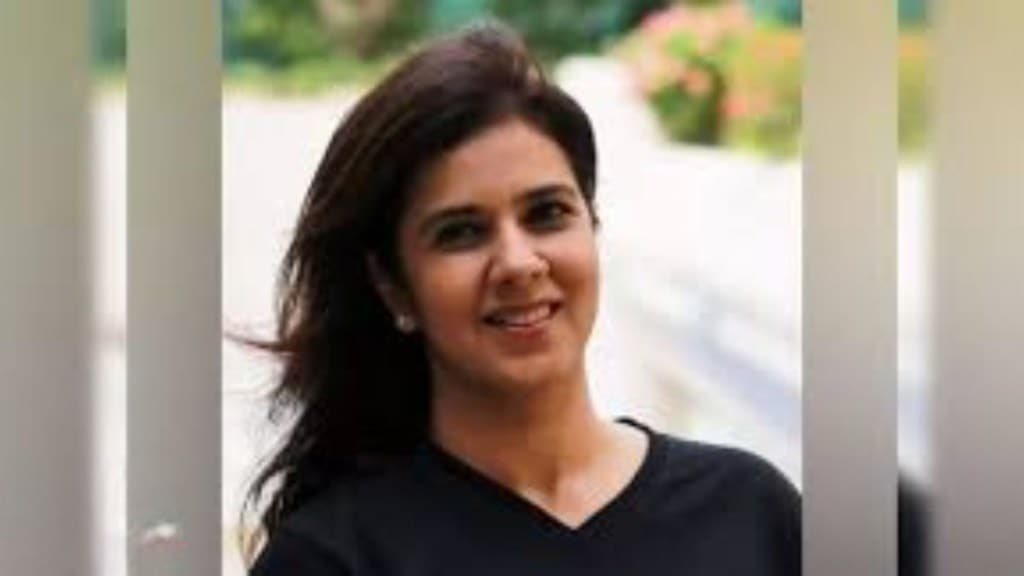
“The challenge is how do you maintain a balance between the brand, consumers and influencers,” Manisha Kapoor, CEO and secretary general, Advertising Standards Council of India (ASCI), said. “With multiple influencers interpreting a brand’s message and delivering it in their own way, there are concerns from a brand safety and trust perspective,” she said.
Kapoor said that marketers could focus on influencer expertise and professional experience when shortlisting content creators for the job.
ASCI, for instance, has an influencer certification programme to improve compliance and help gauge professional expertise. She also cautioned that creative messaging by influencers should not cross the red line of disinformation and misleading claims, a concern that has only been growing as digital marketing and advertising increases. A PwC report on Thursday said that the share of digital revenue would grow from 33% in calendar year 2024 to 42% in 2029, driven by mobile-first consumption. In other words, digital media adoption and advertising is on the rise.
Marketers, Kapoor said, should exercise extra caution when working with influencers in sectors such as healthcare, banking and financial services, which involves the financial and physical heath of people.