



Communications minister Ashwini Vaishnaw on Wednesday asked the industry to send in their comments on the draft telecom bill latest by November 10.
The comments from the minister come after the department of telecommunications recently extended the deadline for views on the draft telecom bill to October 30 from October 20.
“We have received comments from various industry bodies, we can extend the deadline by another 10 days if needed. So, I urge the industry to share reforms before November 10, so that we can take the bill to parliament at the earliest,” communications minister Ashwini Vaishnaw said.
Also read| Upcoming telecom tariff hikes may be lower than 2021
The draft telecom bill focuses on removing certain fee and penalties for the telecom sector by replacing it with the traditional reforms governing the sector.
Through the bill, the government has also proposed to extend the definition of telecommunications to include over-the-top (OTT) communication services, machine-to-machine communication services, internet and broadband communication service providers, among others.
The government aims to implement the telecom bill in the next 6-10 months, the minister had said last month.
Post finalization of the telecom bill, the government will undertake the much-awaited licensing reforms for the telecom sector, which could reduce certain levies and simplify the licensing provisions for the service providers.
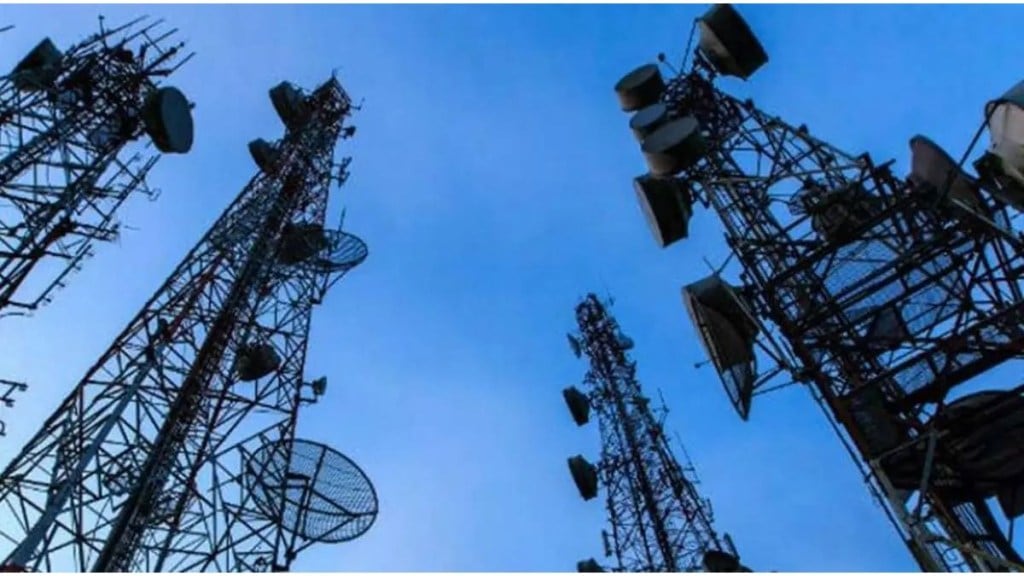
In a bid to expedite the coverage of 5G in the country, Vaishnaw has also urged the telecom service providers to increase the 5G enabled base transceiver stations or BTS to 10,000 per week from 2,500 towers per week at present.
“We have brought a lot of changes for the sector and doing everything that is needed to be done, now the industry should come up and increase the BTS to 10,000 per week,” the minister said.
In order to optimize the use of street furniture, the government has also removed the current process for SACFA clearance for 5G antennas on any street furniture.
The government today detailed the procedural reforms it took in the telecom licensing and satellite communications. The purpose of the reforms is to promote ease of doing business for the sector and enable last mile connectivity of internet services in the country.
Also Read| Govt working to ensure efficient use of spectrum, telecom secy says
“This is part of the series of reforms that the government is doing, we would want the world to copy India’s laws,” Vaishnaw said.
Among key reforms for wireless licensing, the government has simplified the telecom tower clearance process, delicensed some frequency bands for devices such as Wi-Fi routers, Bluetooth etc.
“1Mhz additional spectrum in 867-868 MHz and revised regulations in 433 MHz band will help in better equipment availability. The bands are useful for IoT devices,” the government said.
In the satellite communication space, the government has introduced self certification in antenna deployment, simplified NOCC (National Operations Control Centre) fee and permissions needed for setting up satellite network, also removed certain fee.
Through these procedural reforms the aim of the government is to promote digital inclusion and provide the services to last mile, just like big cities, Vaishnaw said.
In September last year, the government had simplified a number of structural and procedural reforms for the sector to promote healthy competition, protect consumers’ interest, infuse liquidity, encourage investment and reduce the regulatory burden on telecom service providers.
The reforms also included moratorium on regulatory dues of telecom operators, rationalisation of adjusted gross revenues and bank guarantees and allowing 100% foreign direct investment through the automatic route.