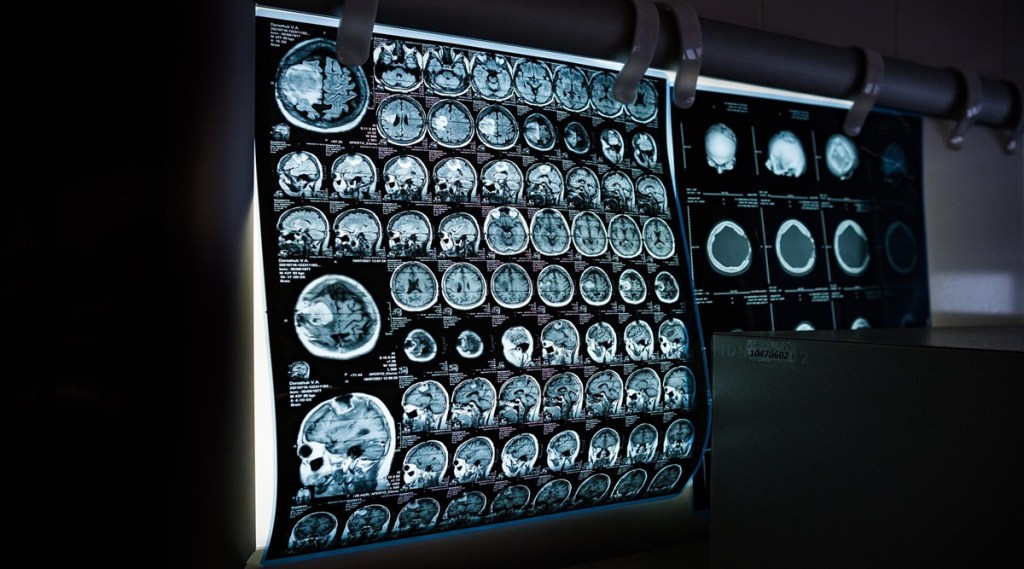
World Brain Tumour Day 2024: A brain tumour is a collection of abnormal cells in your brain. Every year, June 8 is marked as World Brain Tumour Day to raise awareness about brain tumours, their impact on patients and families, and the importance of research and support for those affected.
According to GLOBOCAN 2020 data, an estimated 2,51,329 deaths were due to brain and central nervous system tumors in India. However, this number might be an underestimate due to factors like limited access to healthcare facilities and lack of complete cancer reporting systems, especially in rural areas.
“Brain tumors can be sneaky. Early signs often feel like everyday issues you might brush off. New or worsening headaches, especially those worse in the morning and accompanied by nausea, could be a red flag. Difficulty concentrating, speaking clearly, or understanding others might signal a problem. Watch for personality changes, weakness on one side of the body, or blurry vision. Even slight dizziness or balance issues shouldn’t be ignored. If you experience any of these symptoms persistently, don’t hesitate to see a doctor. Early detection of a brain tumor is crucial for a better chance of successful treatment. Remember, a little awareness can make a big difference,” Dr. Manish Vaish, Senior Director of Neurosurgery at Max Super Speciality Hospital, Vaishali, said.
Brain Tumour Day serves as a critical reminder of the importance of awareness, early detection, and support for those affected by brain tumours.
“A brain tumor diagnosis can be scary, but early detection is key to a brighter future. The sooner you identify the tumor, the more treatment options become available. With early diagnosis, surgery can be more precise, minimizing side effects. Additionally, radiation and medication are often more effective when the tumor is smaller. While treatment can cause fatigue, weakness, or thinking changes, rehabilitation and support groups are there to help you manage them. You might need to adjust your daily routine or work, but open communication with loved ones and employers can ease the process. Remember, many people thrive after an early brain tumor diagnosis. By focusing on healthy habits, emotional well-being, and staying connected, you can continue to live a fulfilling life,” Dr. Yashpal Singh Bundela, Senior Consultant at Sushrut Brain and Spine, New Delhi, said.
Brain Tumour Day serves as a critical reminder of the importance of awareness, early detection, and support for those affected by brain tumours. By educating ourselves about the symptoms and seeking timely medical advice, we can improve outcomes and offer hope to many, the doctors said.
What are the causes of brain tumour?
Scientists maintain that brain tumors develop when certain genes on the chromosomes of a cell are damaged and no longer function properly. However, the researchers aren’t sure why this happens.
In some cases, a person may be born with changes in one or more of these genes. In other cases, the environmental injury to the genes may be the only cause.
What are the symptoms of a brain tumour?
The signs and symptoms of a brain tumor depend on the tumor’s location, size, and type. Some of them include:
- Headaches that may be more severe in the morning or wake you up at night.
- Seizures.
- Difficulty thinking, speaking or understanding language.
- Personality changes.
- Weakness or paralysis in one part or one side of your body.
- Balance problems or dizziness.
- Vision issues.
- Hearing issues.
- Facial numbness or tingling.
- Nausea or vomiting.
- Confusion and disorientation.
If you are experiencing any of these symptoms, consult your doctor immediately.
How brain tumours are treated?
After you get the diagnosis of a brain tumour, doctors perform various neurological examinations to understand how the tumours have affected your brain. Brain tumor treatment depends on several factors, including:
- The tumor’s location, size and type.
- The number of tumors.
- Your age.
- Your overall health.
According to the Cleveland Clinic, benign (noncancerous) brain tumors can usually be successfully removed with surgery and don’t usually grow back. In some cases, your doctors may also use a combination of therapies.