



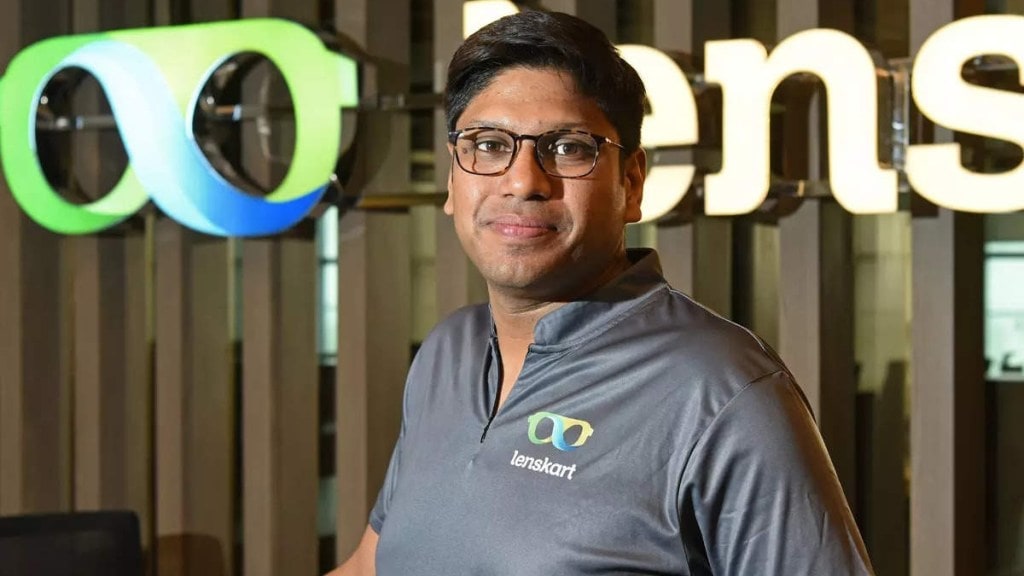
The sharp online chatter around Lenskart Solutions’ nearly `7,300-crore IPO has thrown up a deeper question for modern consumer brands: Can a financial event meant for investors end up reshaping brand perception, albeit momentarily? Debates over its valuation, discounted listing and “tech-first” identity spilled from social platforms such as X, Reddit and Instagram into mainstream feeds.
IPO chatter is typically an investor conversation, yet when the criticism is loud, snarky and meme-driven, it can colour consumer perception. This dynamic is not new. Paytm’s listing briefly recast it, in public discourse, from friendly fintech pioneer to an “overvalued loss-maker”; Zomato spent its early listed months fighting the “perpetually loss-making” tag; and WeWork became, in popular imagination, “a real estate leasing company disguised as a tech firm”.
Experts say the stakes are higher for D2C brands, whose entire playbook is built on relatability and founder visibility. When these brands enter public markets, the communication tone inevitably shifts — from storytelling to disclosures — and that shift alone can feel like a personality change. “I feel a brand’s perception can take a bit of a hit during an IPO, but it’s usually short-lived,” says Somdutta Singh, founder and CEO, Assiduus Global. “Most of the flak comes from all the sudden attention on valuations and exits rather than anything customers genuinely feel about the product.”
This tension becomes most visible at the messaging level. People usually connect with the early honesty of a founder talking about real problems, choices, mistakes and wins. But once a company goes public, the language becomes more formal, filled with numbers and legal terms.
Anand Mody, director at Aikyam Capital Group, agrees: “The transition to a listed framework often introduces a risk that communication becomes overly formal, which can dilute the warmth and clarity of the founder-driven phase. The most effective way to preserve authenticity is to maintain continuity in core values while elevating the communication style to meet public-market expectations.”
Some see the issue as one of storytelling alignment. “A D2C brand’s shift from ‘hustling against odds’ founder-led storytelling to more formal shareholder-led reporting would always come with some risks,” says Rituparna Basu, professor, marketing, IMI Kolkata. She believes it is important to preserve the founder’s voice while aligning investor messaging with the original brand ethos. Transparency, says Chandan Sharma, general manager, digital media at Adani Group, is the antidote. “Behind-the-scenes stories, sourcing updates, and honest product breakdowns are some ways to maintain transparency,” he adds.
So what can brands do once the hullabaloo recedes? Munish Vaid, vice-president at Primus Partners, recommends brands stay “open, consistent and human,” and clearly link the IPO to customer benefit. Singh suggests signalling through action.
Aikyam’s Mody bats for patience: “A steady cadence of transparent updates helps reset the narrative naturally over time.”