



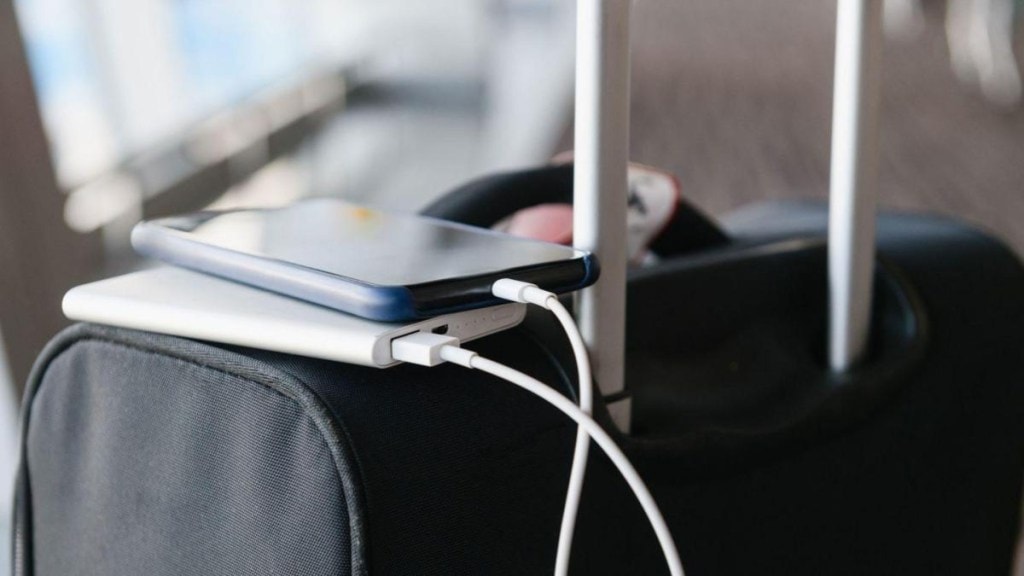
India has tightened in-flight safety rules around the use of power banks and other lithium battery-powered devices. The advisory comes in response to a growing number of global aviation incidents linked to overheating batteries. Aviation regulator Directorate General of Civil Aviation (DGCA) has now barred passengers from using power banks to charge phones, laptops or other gadgets during flights, including through seat-mounted power outlets.
DGCA in a ‘Dangerous Goods Advisory Circular’ issued in November 2025 flagged lithium batteries as an emerging safety risk in aircraft cabins. Under the new norms, power banks and spare lithium batteries will be allowed only in hand baggage and must not be stored in overhead compartments, where fires are harder to detect and control.
Why are lithium batteries cause of worry?
Lithium batteries are embedded in almost every modern travel essential, from smartphones and laptops to wireless earbuds and portable chargers. While compact and efficient, they are also highly energetic, making fires involving them particularly dangerous in the confined environment of an aircraft.
“The widespread usage of lithium batteries in various rechargeable devices has led to an increase in carriage of lithium batteries by air,” the DGCA said. It further warned that power banks and portable chargers can act as ignition sources and potentially trigger on-board fires.
Unlike conventional fires, lithium battery blazes can be self-sustaining. Once triggered, they generate intense heat, release flammable gases and are difficult to extinguish using standard firefighting methods. In some cases, devices can rupture or explode, posing a direct risk to passengers and crew.
Location of batteries affects risk levels
The DGCA has also underlined that the location of lithium batteries inside the aircraft significantly affects the level of risk. Batteries placed in overhead bins or buried inside cabin baggage may go unnoticed until smoke or flames become severe.
“Lithium batteries placed in overhead stowage bins or within carry-on baggage may be obscured, difficult to access, or not readily monitored by passengers or crew members,” the advisory stated. Delayed detection increases the potential hazard to flight safety and reduces the chances of effective early response, it added.
This is why the regulator has insisted that power banks remain in hand luggage, where passengers and crew can quickly spot warning signs.
What are airlines told to do?
The advisory places a significant onus on airlines. Carriers have been directed to review their safety risk assessments related to lithium batteries carried by passengers and adopt stronger preventive measures to reduce the chances of cabin fires.
Crew training has been flagged as critical. Cabin crew must be able to recognise early warning signs such as overheating devices, smoke or flames and respond swiftly using the correct firefighting equipment. The DGCA has also stressed the importance of protective gear and awareness of smoke inhalation risks.
Airlines have been asked to ensure that firefighting equipment on board is adequate, functional and easily accessible.
Mandatory passenger announcements
Passenger awareness is another key pillar of the new rules. Airlines are now required to inform passengers about lithium battery safety through in-flight announcements. Passengers must immediately alert cabin crew if any device emits heat, smoke or an unusual odour.
Airport operators have also been roped in. The DGCA has directed airports to display clear safety messages and videos on lithium battery fire risks at terminal entrances, check-in counters, security checkpoints and boarding gates.