



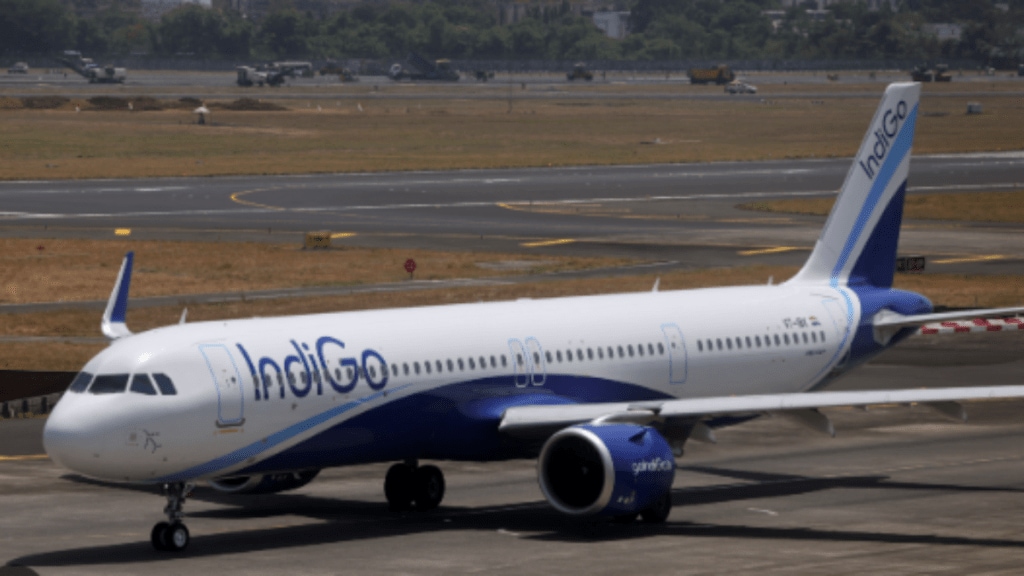
IndiGo has introduced new pilot allowances and raised some existing ones, signaling the airline’s intent to boost morale after a series of mass flight cancellations earlier this month disrupted operations across India. The move comes as India’s largest airline, which holds a 65% share of the domestic market, faces heightened regulatory scrutiny and a competition probe.
The changes, effective January 1, were communicated in an email by Ashim Mittra, senior vice president for flight operations. Layover allowances for captains will rise to 3,000 rupees ($33.37) from 2,000 rupees, while first officers will receive 1,500 rupees instead of 1,000 rupees.
“Allowances for ‘deadheading’—a practice where airline crew travel as passengers to position themselves for future duty—will be raised to 4,000 rupees from 3,000 rupees for captains, and by 500 rupees to 2,000 rupees for first officers,” the email said.
Operational and regulatory challenges
The airline’s allowance revision comes weeks after IndiGo cancelled roughly 4,500 flights, leaving hundreds of thousands of passengers stranded and creating chaos at airports nationwide. In response, the Indian government temporarily relaxed rules around night duty for pilots to stabilise the airline’s operations, a measure that drew criticism from pilot unions and aviation safety advocates.
A committee appointed by India’s aviation regulator to probe the cancellations has already submitted its report, the civil aviation ministry said. Moody’s Ratings also warned that IndiGo could face “significant financial damage” from revenue losses due to flight cancellations, customer refunds, and penalties imposed by Indian authorities.
Retaining pilots amid intense competition
The allowance changes follow visits by IndiGo executives to various bases to hold discussions with pilots, Mittra said in the email. Indian airlines are under pressure to retain talent, as foreign carriers frequently offer better pay and quality of life. The Indian government has called for a global code of conduct on pilot hiring to curb the poaching of domestic pilots.
IndiGo, which employs approximately 5,000 pilots according to government data, did not immediately respond to a request for comment. Analysts say that by increasing allowances and introducing new benefits, the airline is aiming to stabilise its workforce, ensure operational continuity, and boost morale among pilots after the disruption caused earlier in the month.
The new allowances mark an important step for IndiGo as it navigates regulatory scrutiny, heightened competition, and the operational challenges of a growing airline fleet, while ensuring that pilots remain motivated and committed to the company’s long-term success.