



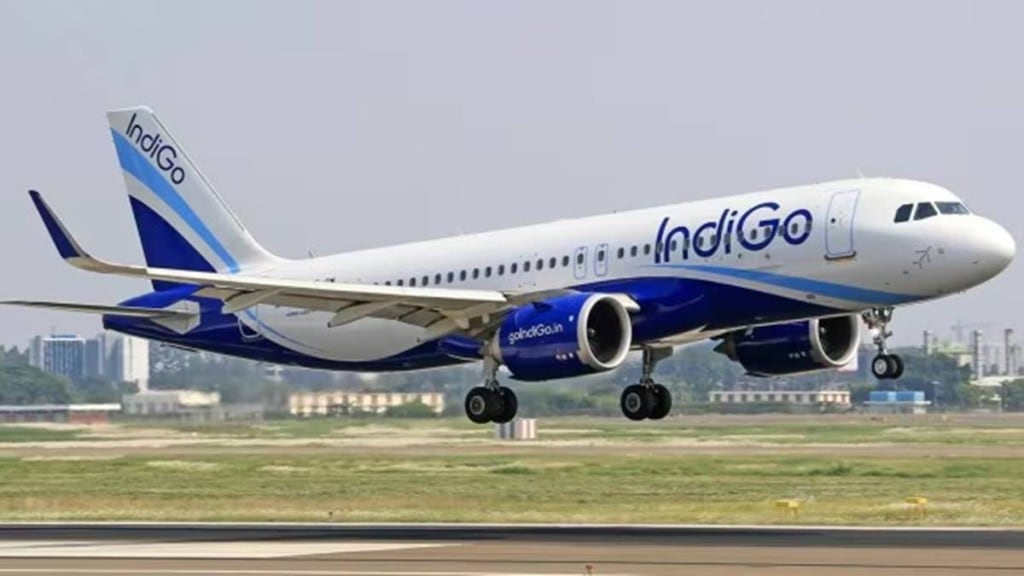
IndiGo’s ongoing flight chaos brings to light the perils of its own lean playbook. With over 1,900 flights cancelled during the week, on-time performance plunging to a dismal 8.5% as on Thursday from 50% before the crisis unfolded, and passengers stranded amid winter fog and peak travel demand, the country’s largest airline is reeling from a crisis that pilot unions and industry analysts squarely blame on years of self-imposed constraints.
The trigger is the second phase of Directorate General of Civil Aviation’s new Flight Duty Time Limitation (FDTL) rules, rolled out on November 1 after a two-year preparatory window, but the real cause lies in IndiGo’s aggressive high-utilisation model that left it uniquely vulnerable when fatigue curbs bit hard.
The new norms, aimed at curbing pilot fatigue with global benchmarks, mandate 48 hours of weekly rest up from 36, cap night landings at two instead of six, and stretch night hours to 00:00-06:00 from 23:00-05:00. IndiGo, with its fleet of over 400 Airbus A320s churning out 2,300 daily flights, which is more than half of the country’s domestic traffic, thrives on red-eye efficiency – using overnight flights to save time and money –, squeezing multiple sectors from narrow-body jets that fly 12-14 hours daily.
What does a 10% cancellation rate imply?
A mere 10% cancellation rate here translates to 230 grounded flights, versus under 100 for Air India, which logs fewer than half the departures despite its scale. Yet while the rules apply universally, full-service carriers like Air India have weathered the change with far less disruption, their on-time performance holding steadier amid the same fog and congestion, thanks to conservative rostering and buffers built during the grace period.
Pilot bodies like the Federation of Indian Pilots (FIP) and Airline Pilots’ Association of India (ALPA) call it a “prolonged, unorthodox lean manpower strategy” that IndiGo pursued despite ample warning. November alone saw 1,232 cancellations, 755 pinned directly to crew and FDTL shortages, pushing monthly on-time performance down to 67.7% from October’s 84.1% — a slide that predated this week’s meltdown. FIP accuses the carrier of a hiring freeze, non-poaching pacts with rivals, and pilot pay stagnation amid “cartel-like behaviour,” even as executives pocketed 100%. Post-July’s first phase, IndiGo slashed leave quotas; after November, it allegedly tried buying back pilot leave to stretch rosters, eroding morale just as an A320 software glitch compounded the winter schedule crunch.
Contrast this with Air India, which pilot unions say “provisioned adequately” by hiring ahead and dialling back utilisation, its planes average fewer turns per day, leaving more crew slack for delays or fog diversions. While IndiGo’s model maximised returns in boom years, banking on 90%-plus punctuality as a brand hallmark, others like Air India and Akasa maintained wider margins, absorbing FDTL without mass groundings. DGCA data underscores the gap: IndiGo’s disruptions dwarf peers’, with 258 November cancellations from airspace curbs alone, but crew issues dominating at 61% of the total.
What does the DGCA move mean for IndiGo?
The DGCA’s move on Friday to temporarily allow substitution of leave with weekly rest may soften the immediate blow for IndiGo, but Mark D Martin MRAeS, CEO of Martin Consulting, an aviation safety and compliance firm in Asia, aptly described its inability to comply with new FDTL norms as an “unethical practice” and “underhanded pressure on the DGCA”.
And it’s not that the current crisis is an exception as the airline hardly has a sterling record as far as compliance is concerned. IndiGo has a documented pattern of regulatory violations and attempted manipulation of Civil Aviation Requirements for profit. In October, the DGCA imposed a Rs 40 lakh penalty on the carrier after discovering that approximately 1,700 pilots received simulator training on full flight simulators that were not qualified for critical airports, including Calicut, Leh, and Kathmandu. This violation affected both captains and first officers, suggesting systemic compliance indifference rather than isolated oversights.
Just last month, IndiGo was fined Rs 20 lakh for implementing its own standard instrument departure procedures at Udaipur Airport, violating Rule 133A of the Aircraft Rules 1937. The airline attempted to unilaterally create procedures that should only be promulgated by the Airport Authority of India – an act that suggested either regulatory ignorance or deliberate circumvention.
In short, what was IndiGo’s strength – network, spread across more domestic destinations than any other carrier – turned into its biggest weakness because of poor crew planning. In this model, when shortages hit one hub, the ripple spread everywhere. A model dependent on red-eye turns and maximum aircraft productivity was always one regulatory shift away from instability. The FDTL rules were that shift.