



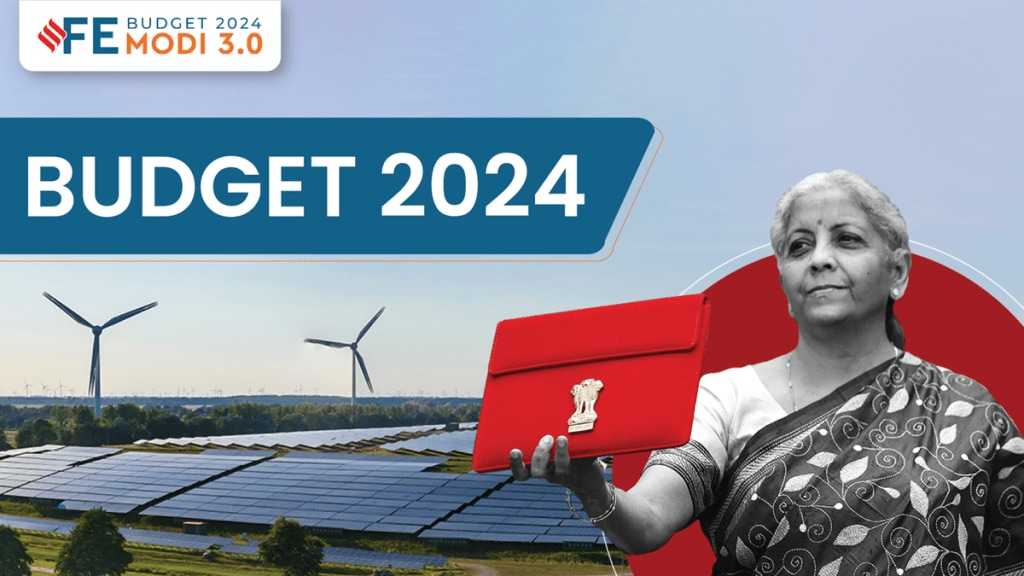
The Union Budget 2024, presented by Finance Minister Nirmala Sitharaman, represents a pivotal moment in India’s economic planning and policy-making. Against global economic uncertainty and domestic challenges, this budget aims to lay the groundwork for a more resilient and dynamic Indian economy. With a clear focus on inclusive growth, it addresses critical areas such as education, employment, urban development, and technological innovation. By allocating substantial resources and introducing forward-thinking policies, the budget seeks to bridge socio-economic divides, foster sustainable development, and position India as a global leader in various sectors. The comprehensive nature of this budget reflects the government’s strategic vision to propel India into a future of robust economic health and broad-based prosperity. Key initiatives span from significant investments in education and skill development to transformative reforms in the real estate and MSME sectors, alongside substantial advancements in digital infrastructure. As stakeholders and experts weigh in, it is clear that the Union Budget 2024 is not just a financial plan but a catalyst for economic and social transformation to ensure long-term growth and stability.
Education and Skill Development
Prof. Tarundeep Singh Anand, Founder and Chancellor of Universal AI University, hailed the budget’s emphasis on education and employment generation. He highlighted the allocation of Rs 1.48 lakh crore towards the education sector, job creation, and skill development. Particularly noteworthy is the introduction of E-vouchers for loans up to Rs 10 lakh for higher education, benefiting 1 lakh students annually with a 3% interest subvention. He said, “The finance minister has reiterated the Government’s resolve to impart quality higher education and generate employment. An allocation of Rs 1.48 lakh crore for the education sector, jobs, and skill development is a booster to integrate education, skilling, and employment. A new facility to provide E-vouchers for loans up to Rs 10 Lakh for higher education in domestic institutions to be given to 1 Lakh students every year with annual interest subvention of 3% of loan amount will bring quality education within the reach of the students in the best domestic institutions and Universities. The Model Skill Loan Scheme’s revision to Rs 7.5 Lakh with the Government’s guarantee will help skill the students eligible for the scheme. The students passing from the Universities will also get sustained support from the Government in seeking internship opportunities in the top 500 firms with a monthly internship of Rs 5000 will award the much-needed industry experience to the students and make them able job seekers with enhanced skill sets.”
Dr. Vikram Mehta, Managing Director, SPARTAN Engineering Industries Pvt. Ltd said, “The significant reforms announced by our finance minister in the areas of employment, women empowerment, skill development, and support for MSMEs represent a progressive India on the global stage. Likewise, the emphasis on urban development and the relaxation of stamp duties will stimulate the housing market.”
“Cost reduction and government initiatives are expected to transform the homebuying landscape, particularly encouraging female homebuyers to capitalize on the savings. This shift is poised to impact India’s economic growth on a global scale while underscoring the real estate sector’s responsibility for sustainable development and secure infrastructure. India has witnessed significant fire incidents in the past underscoring the need to prioritize safety over luxury. Earlier this month, the Chief Minister of Maharashtra stressed fire safety protocols while highlighting the importance of installing fire evacuation lifts in all high-rise buildings for swift and secure evacuations. We anticipate that the budget will drive substantial growth for real estate developers while prompting them to a heightened focus on occupant safety while building luxurious properties,” he added.
Employment and MSME Sector
Arun Ghosh, Co-founder of Looqup Data, welcomed the budget’s provisions aimed at boosting employment and supporting MSMEs. With a substantial allocation of Rs 2 lakh crore, the budget addresses the funding deficit in the MSME sector and integrates it into formal credit channels. This move is set to enhance digital infrastructure and technological capabilities, enabling MSMEs to thrive in a competitive market driven by AI and advanced technologies. “The Finance Minister’s agenda to boost employment, skilling, and MSMEs is set to thrive the SME sector in India. This initiative aims to generate skilled employment opportunities and enhance the necessary infrastructure. Notably, a significant allocation of Rs 2 Lakh crore has been made for this purpose. Additionally, the plan to address the funding deficit faced by the MSME sector and integrate it into formal credit lines will greatly benefit both MSMEs and SMEs. This will enable them to improve their digital and technological infrastructure. With increased accessibility to capital, SMEs will be able to enhance technological upgradation and integrate AI into their operations. Moreover, the budget allocation towards AI research grants will further accelerate advancements in language processing and other related fields,” he explained.
Real Estate and Urban Development
Pratik Jain, CEO of Stallions Proptech Solutions Pvt Ltd, analyzed the budget’s impact on the real estate sector. He highlighted the PM Awas Yojana-Urban 2.0, backed by an allocation of Rs 2.2 lakh crore, to address housing needs and stimulate demand in the affordable housing segment. However, concerns were raised over changes to Long Term Capital Gains Tax, which could potentially affect investor sentiment and growth in the sector. He said, “The 2024 budget introduces ambitious initiatives targeting affordable housing, urban development, and infrastructure investment to stimulate the real estate sector. The PM Awas Yojana-Urban 2.0, with an allocation of Rs 2.2 lakh crore, is set to address the housing needs of 1 crore families, boosting demand in the affordable segment. Moreover, the development of industrial nodes and transit-oriented plans for 14 large cities are expected to enhance connectivity and economic activity which is a positive move by the union govt. However, changes to the Long-Term Capital Gains Tax, particularly the removal of the indexation benefit, could dampen investor sentiment, posing a challenge to the sector’s growth.”
Haresh Motirale, Founder Director of Brandniti said, “Budget 2024 promises positive developments in the real estate sector. The new tax rate for LTCG on property sales will be 12.5% without indexation benefit which will prove beneficial for investors in the long run. The government’s allocation of Rs 2.66 lakh crore for rural development is commendable as this will significantly improve infrastructure and subsequently real estate growth in rural areas. The allocation of funds for the Hyderabad-Bengaluru industrial corridor and Vizag-Chennai corridor will also boost real estate in these regions. The PM Awas Yojana aims to deliver 1 crore houses for the urban poor by allocating 10 trillion crore which is another welcome move for the sector.”
Infrastructure and Urban Revitalization
The budget’s provisions for urban development and infrastructure were commended by Sandip Shah, CEO of Nexsa Realtors. The focus on creative brownfield redevelopment, transit-oriented development (TOD), and industrial corridors such as Hyderabad-Bengaluru and Vizag-Chennai are poised to transform urban landscapes. These initiatives aim to enhance connectivity, improve living standards, and drive economic activities in urban and peri-urban areas.
“India is about to undergo a significant urban revolution as the government implements a comprehensive plan to solve the problems associated with urbanization and improve city development. To revitalize cities and enhance the quality of life for citizens, this strategy focuses on “creative brownfield redevelopment planned peri-urban growth, and transit-oriented development (TOD). The redevelopment of brownfield sites within existing cities is a fundamental component of the government’s urban strategy.”
Technological Advancements and Startups
Glenn Gonsalves, CEO of RedSwitches, expressed optimism regarding the budget’s digital infrastructure investments totaling $12 billion. This allocation is expected to bridge the digital divide and position India as a global technology hub. Additionally, the abolition of the angel tax is set to boost startup growth and innovation, facilitating easier access to global markets for tech startups like RedSwitches.
Seshadri Vangala, Chairman and CEO of IFINGlobal Group & SGlobal said, “The first budget of the third term has been presented by the NDA government in the Parliament. It is very good and its direct benefit will reach women, youth, businessmen, farmers, and other needy people.” He said that Finance Minister Nirmala Sitharaman has also reduced the budget duty significantly, which will reduce the prices of other products besides gold and silver and the economy of India will become better.”