


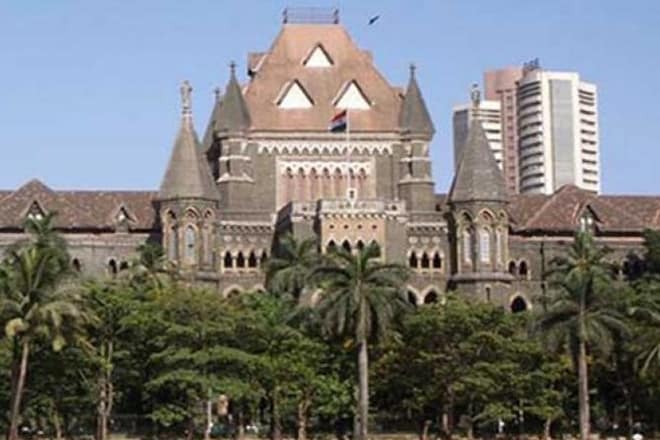

The Bombay High Court today said Maharashtra’s progress and prosperity is pointless when 50 per cent of children in the state are malnourished and below the poverty line. The court also observed that the government has not taken any serious steps to address the problem. A division bench of Justices VM Kanade and PR Bora was hearing a bunch of PILs highlighting increasing instances of malnutrition-related deaths and illness among those living in Melghat region of Vidarbha and other tribal areas.
“In our state, the children’s population must be over 40 crore. Out of this, 50 per cent children are below poverty line and suffering from malnourishment. What is the point of prosperity and progress in the state when this is the situation,” Justice Kanade observed. The court further said the state government ought to make separate allocation of funds to address the issue in the upcoming budget session.
Also Watch:
The court has posted the petitions for further hearing on March 1, when the secretaries of Women and Child Welfare department and the Tribal Welfare department will have to submit power-point presentations to HC on how they propose to tackle the problem and what measures will be undertaken. The court had earlier too come down heavily on the government for failing to initiate steps to solve the problem, and had said the concerned ministers will have to take more interest.