



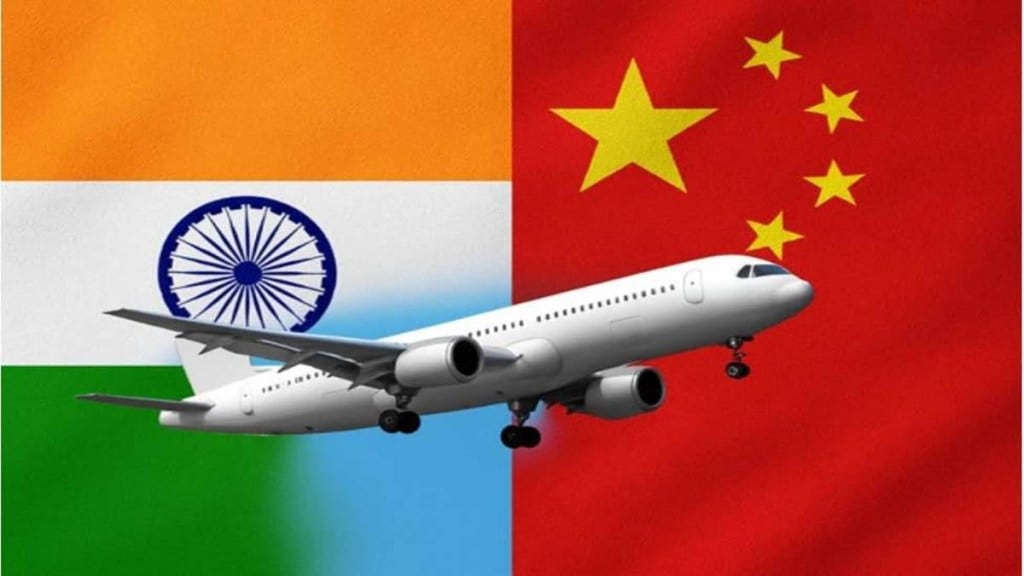
India is speeding up business visas for Chinese professionals. According to Reuters, citing an official, approvals now take less than a month. This move comes after years of delays caused by the multi-layered scrutiny introduced following tensions with China in 2020.
Red tape cut for faster visa approvals
India had blocked nearly all Chinese visits after a clash on the Himalayan border in mid-2020. Visa applications were subjected to extra checks beyond the home and foreign ministries. This caused serious delays for Chinese business professionals and companies, including major electronics firms like Xiaomi, Vivo, Oppo, Byd, Hisense, and Haier, whose executives struggled to get visas and operated remotely.
Officials told Reuters, the layer of administrative vetting has now been removed. “We have removed the layer of administrative vetting and are processing the business visas within four weeks,” one official said, speaking anonymously. According to the report, a high-level committee led by former cabinet secretary Rajiv Gauba recommended these changes. The committee also aims to relax investment restrictions on China that have impacted investor confidence.
The easing of visa rules follows Indian Prime Minister Narendra Modi’s visit to China this year, his first in seven years. During the visit, Modi met Chinese President Xi Jinping and discussed ways to improve relations. Direct flights between the two countries have also resumed since 2020.
US tariffs and economic impact of visa delays
The Observer Research Foundation’s report, cited by Reuters, estimated that stricter scrutiny led to production losses of $15 billion over four years for Indian electronics makers, who depend on imported Chinese machinery for products like mobile phones. Industry executives also faced difficulties expanding operations and shortages of skilled labour, including in the solar sector.
India’s move to ease restrictions on Chinese business comes amid strained ties with the US. India is one of the countries hardest hit by Trump’s tariffs — a 50 percent levy on goods, with 25 percent of that as a penalty for purchasing Russian oil. Officials told Reuters, the government is “cautiously easing some rules around restrictions on China” to improve the business environment and attract foreign investment.
China remains India’s primary supplier of electronic and automotive components, providing 50–65% of components used by Indian manufacturers. Many Indian factories rely heavily on Chinese expertise and partnerships for production.