



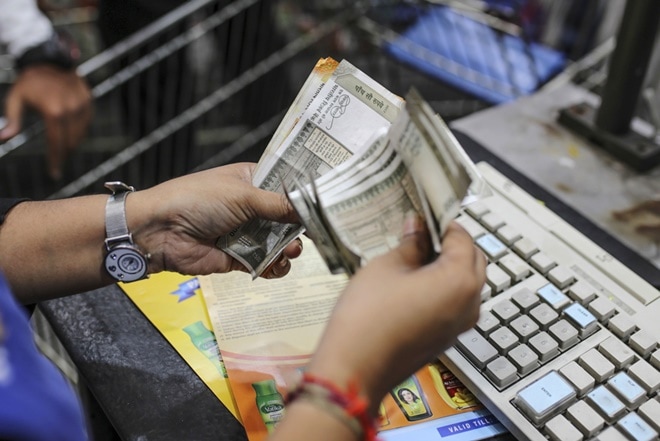
The nationwide lockdown has severely hurt India’s businesses and industries; and the effect of the ongoing economic crisis is expected to weigh on people’s personal incomes too, alongwith the country’s economy. India’s per capita income will likely decline by 5.4 per cent to Rs 1.43 lakh in the current financial year 2020-21, SBI Research said today in its Ecowrap report. This expected fall in the per capita income is higher than the expected nominal GDP contraction of 3.8 per cent, the report added. While income inequality in India has been a major issue for decades, it is expected that the inequality gap will narrow down post-COVID pandemic as the decline in income of rich states will be much greater than the decline in income of poor states.
Residents of prosperous states such as Delhi, Chandigarh, Maharashtra, Gujarat, and Telangana may lose over 15 per cent of their annual incomes in the current year, which is thrice as high as the average decline of per capita income of the country. However, in relatively less well off states such as Madhya Pradesh, Uttar Pradesh, Bihar, Odisha, etc, the decline in per capita income is expected to be less than 8 per cent. It is to be noted that after a major economic crisis, per capita income takes longer to swing back to the old levels than the GDP.
Also Read: Modi’s Gold Monetisation Scheme: SBI collects thousands of kg gold; to finally put it to good use
The SBI Ecowrap report has further estimated that India’s real GDP will shrink by 6.8 per cent in the current fiscal year 2020-21. India will have a statistical V-shaped recovery in FY22, primarily due to the favourable base effect, however, beyond such base effect, it would take at least till FY24 to get back to the normal levels. It has also been suggested that policymakers need to be fiscally liberal in these tough times and India’s fiscal policy response will have to be much more aggressive. The report also warned that India’s sovereign rating in FY22 will be determined by the country’s policy response, not by the fiscal response.