



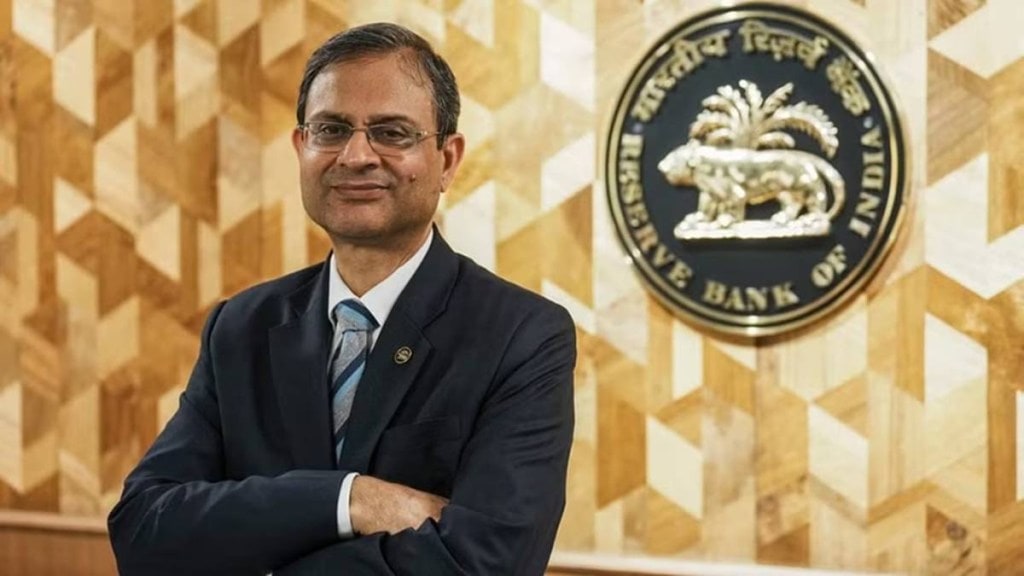
Full marks to Governor Malhotra!
The Reserve Bank of India’s (RBI) action on Wednesday morning, which pushed the dollar more than Rs 1 lower in a matter of minutes, coming as it did a couple of months after its surprise attack in the non-deliverable forward (NDF) market (again, early in the morning), has put the market on notice that it can’t take the RBI lightly any more.
While the rupee may (or may not) continue to depreciate over time, these actions, which I have little doubt will be repeated as and when—and ideally when least—expected, will ensure that speculative users of the market become more circumspect. The fact that the dollar moved by more than Rs 1 so quickly made it clear that rupee “weakness” was being dramatically exacerbated through position-taking by banks and, of course, exporters, who thought they were simply riding the gravy train.
Regulator backs big players
I have felt for some time, and have discussed this with senior people at the RBI, that the regulator should not be batting for the big guys (banks, speculative traders). In fact, in my view, the much-lauded central bank transparency is simply a tool that helps investors and traders generate profits while limiting the risk they have to carry; so much so that over the last few decades—during which inequality has reached screaming proportions worldwide—this risk protection to the elite has not only been accepted but even given names, like the Greenspan put and the Bernanke put.
The RBI’s recent actions in the foreign exchange market appear to suggest that Governor Sanjay Malhotra recognises this and also understands that it is not good for the economy if everybody believes that the rupee will always fall by 2-3% a year (or, more recently, will it now fall by 6% a year?). Indeed, since Governor Malhotra has taken guard (December 11, 2024), we have seen rupee volatility climb to an average of 4.3%, up substantially from the 1.7% it averaged during the last year of Shaktikanta Das’s term and higher even than its 3.7% average since 2021.
In particular, it is clear that Governor Malhotra is not shy of sharp moves—since he came into office, the average (high minus low) of USDINR, at 27 paise, is 35% higher than the average since January 2001; and, as we know, there have been two episodes where the difference was more than Rs 1 rupee (out of a total of Rs 3 since 2001), both in the direction of a stronger rupee.
While the central bank may (or may not) target any specific exchange rate, as all governors repeat from time to time, I believe it should actively ensure market users are kept off balance to prevent huge positions from building up. The good news is technology makes it easier for the RBI to monitor “excess” positions. Perhaps it should also monitor FX trading profits at banks to get a sense when traders are beginning to take the market for granted.
Calls grows for RBI action in NDF as rupee jumps
When I first made the suggestion that the RBI should intervene in the NDF market to strengthen the rupee (bit.ly/ 3KY7iFa), I had hoped they would give it more than a single shot—the rupee was/is, in any case, excessively weak and a sentiment that it will always weaken was already very strong. Perhaps we will see more action in that direction now. (And voila! On Friday, the rupee posted its strongest single-day gain in over three years, strengthening 1.1% to close at 89.29—aa jao maidan mein! [come to the playing field!])
Again, with the rupee at more than 90, we could see strong returning interest from foreign portfolio investors from January onwards; there are already signs that the foreign direct investment drought over the past three years has turned sharply positive, no doubt partly because Indian assets are cheaper than ever before. Note that all of this is irrespective of the pie-in-the-sky trade deal; interestingly—and creditably—exports appear to be suddenly doing very well, thank you.
Clearly, the FX market is moving into a new area and companies will need to be more focused on risk management rather than simply staying open on exports and hedging imports on Day 1. We are already beginning to see this from some of our smarter clients. Companies with large exports, who had reduced their tenor of risk identification over the last couple of years to take advantage of the ever-weaker rupee, are once again revisiting their risk management policies to ensure they are more in tune with their actual business requirements rather than simply following a widely held market view. Both exporters and importers need to recognise that the cost of options is a sound and sensible cost of doing business.
Aa jao maidan mein, indeed!
The author is the CEO of Mecklai Financial
www.mecklai.com