



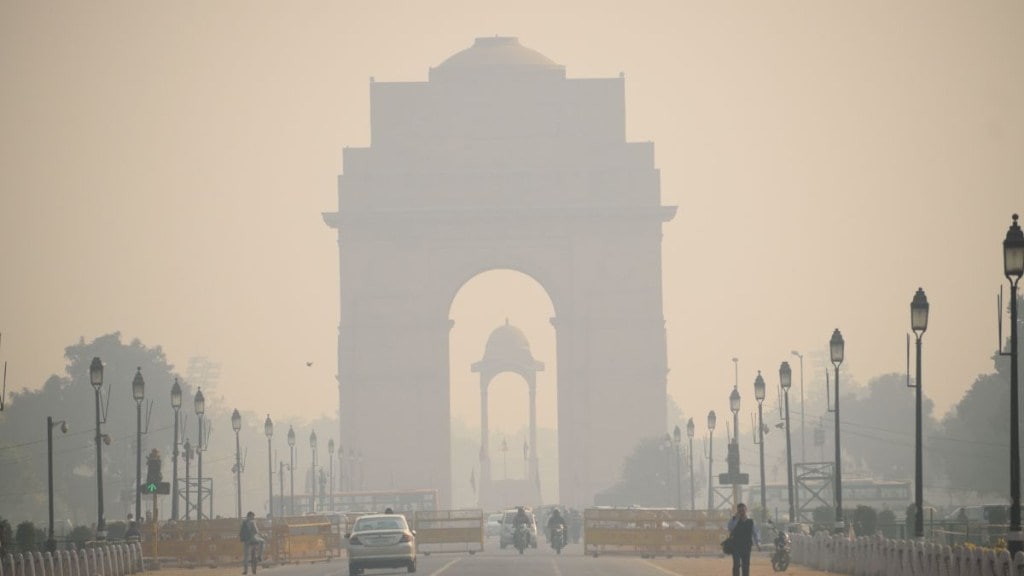
The distinction of being the most polluted national capital region in the world seriously detracts from the ambitions of the ruling dispensation to make India a developed nation by 2047. This really calls for a determined effort to address the problem all year round rather than only during the pollution season in winter.
Unfortunately, the policy response addresses only the symptoms of the problem rather than tackling the underlying causes. Thus, if the air quality index crosses certain thresholds, the authorities impose various stages from I to IV of the graded response action plan (GRAP) across the National Capital Region (NCR).
Analysing government interventions
The latest initiative is to adopt measures of higher stages in lower stages: for instance, GRAP stage IV in GRAP stage III which entails a decision on allowing public, municipal, and private offices to work on 50% strength and the rest to work from home. Whether such measures will prevent further deterioration of air quality is debatable as it stubbornly remains in the very poor to severe category.
Last Sunday, strong north-westerly winds dispersed pollutants in the air and provided a temporary respite to the poor category. With high levels of pollution persisting in the NCR, the need clearly is for the highest levels of the government to address the problem on a war-footing.
To be sure, this was indeed the objective of a high-level task force chaired by the principal secretary to the Prime Minister with secretaries from environment to agriculture, besides the chief secretaries of Delhi-NCR states that met in October. The deliberations reportedly indicate directions to the Commission for Air Quality Management and Central Pollution Control Board to expedite work on a new emission inventory and source apportionment studies.
Others include asking the states bordering Delhi “to adopt practical and result-oriented measures for visible improvement in air quality”.
The transportation-pollution equation
The big question is whether we need more studies on source apportionment when already a considerable amount of work has been done by Indian Institute of Technology Kanpur, The Energy and Resources Institute, and System of Air Quality and Weather Forecasting and Research that found the transport sector’s contribution to emissions was the highest. Updated studies are unlikely to change this basic reality of vehicles being the top pollutants in the NCR.
As the explosion of personal vehicles on the roads is not sustainable, the NCR can be made more liveable from a public health standpoint by incentivising a greater adoption of public transportation. The high-level task force deliberated on this issue and rightly observed that Delhi holds more than half of all vehicles in the NCR; that 37% of vehicles in Delhi-NCR still belong to the outdated BS-I to BS-III emission norms.
The suggestions included penalising owners of vehicles that default on green standards, besides directing all states and Union Territories to accelerate the shift to electric vehicles and expand charging networks. But this strategy will take much more time as the penetration levels are low.
The immediate need is for out-of-the box thinking to persuade more NCR citizens to adopt public transportation by improving the last-mile connectivity of the metro network and vastly expanding the bus fleet which does not even meet the target of 10,000 set by the Supreme Court 27 years ago. It will make a big difference if the task force meets again and deliberates on incentivising greater use of public transportation in the NCR as this can genuinely help in curbing pollution all year round.