



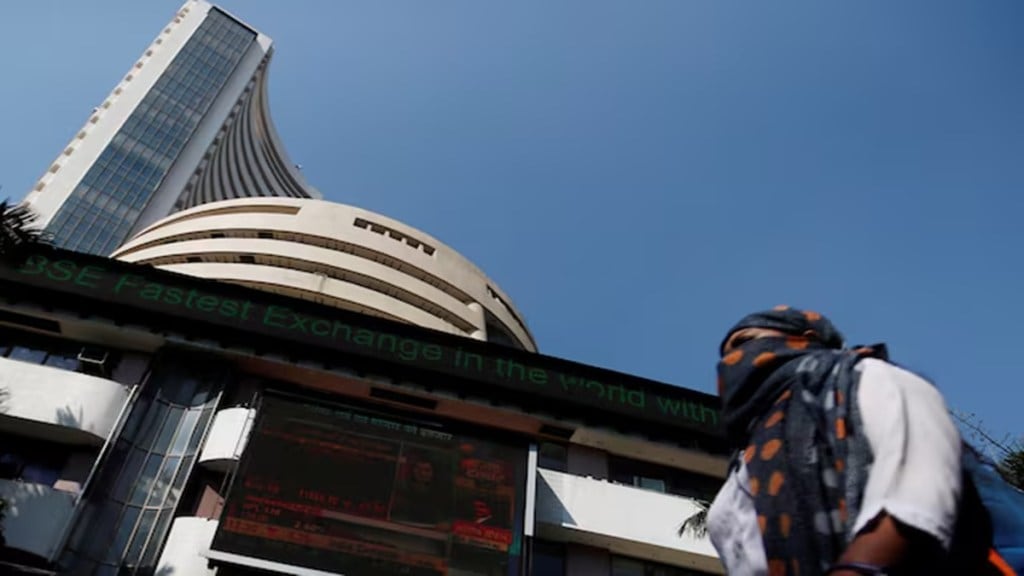
Global fund managers have given a mild overweight to Indian equities, viewing the market as a potential diversification play against AI-driven regions, according to Bank of America’s December Asia Fund Managers’ Survey. The survey drew responses from 119 participants overseeing $293 billion in assets.
Of the total, 10% fund managers are net overweight India compared to 0% in November and 30% underweight in August when it was the least preferred market. With this, India is now third favourite market in Asia after Japan and Taiwan.
While respondents said that positioning continues to be dominated by AI, the internet, anti-involution themes and Korea’s corporate value-up programme despite recent volatility, India is increasingly seen as a diversification play against AI-heavy markets. “Alongside Japan and India, FMS remains positive on Taiwan and Korea, buoyed by elevated semis cycle expectations,” it noted.
What did the survey reveal about Asian investors?
Across Asia, investors retain a positive market bias but have tempered return expectations, the survey showed. Optimism is anchored in a robust corporate profit rebound, though valuations above long-term averages are limiting enthusiasm for outsized gains.
Japan remains the region’s clear favourite, as views on the policy impact of Prime Minister Sanae Takaichi remain positive. Short-term pullbacks are largely seen as healthy consolidation for a continuation of the rally, the report said, adding that with long-term rates trending steadily higher, investors favour banks alongside semiconductors, the latter driven by the AI theme.
Fund managers on China
On China, fund managers believe growth momentum has stalled. “The report said: “The long-term structural view is no longer grim. Yet, with valuations no longer supportive, investors await concrete signs of stimulative policy before adding exposure. Household risk appetite is waning, with a shift toward savings over investing. Consequently, allocations have slipped to underweight.”
The global fund managers survey showed that December marked the most bullish FMS reading in the past 3½ years. Macro optimism is at its highest since August 2021 on a “run-it-hot” belief, allocation to stocks and commodities is the highest since February 2022, and cash levels fell to a record low of 3.3%, down from 3.7%.
In December, FMS investors continued to believe that companies are overinvesting, reflecting lingering concerns around the AI capital-expenditure boom. However, these concerns eased slightly, with the net share of respondents saying companies are overinvesting falling to 14% from a record 20%. Concerns about an “AI bubble” also retreated, from 45% to 38%, though it remained the top tail risk. “Private credit” ranked next, with 14% of FMS investors citing it as the biggest tail risk over the coming year.