



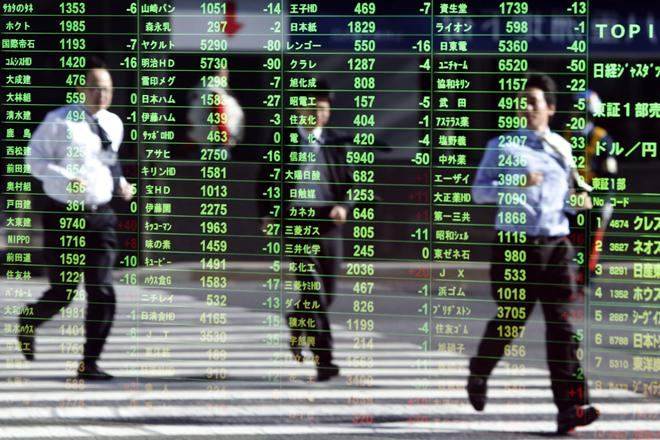
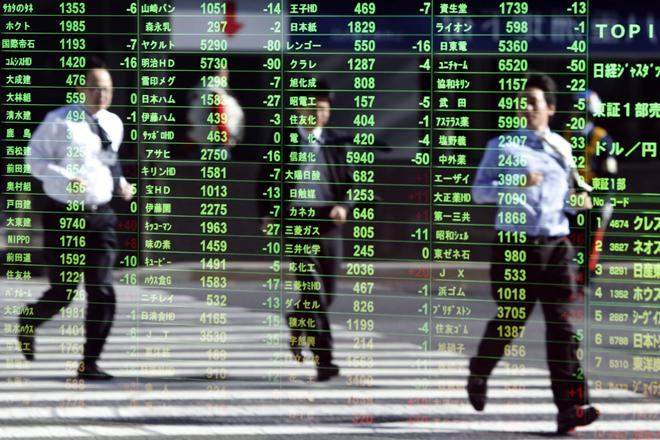
Ever since Modi-led BJP scored a massive victory in general elections 2019, the stock markets are on a rally on expectations that the new government would introduce various economic reforms. However, not all support the view that government and stock market share a direct relationship. Even though the election result is a factor for bourses, it’s not the only one as the industry presumes, the market veteran Morgan Housel told ET Now in an interview. There are various other factors as well including the company’s long-term performance that decide investment strategy of an investor, he added. The heads of the government have less impact on the markets than what the corporate sector assumes, Morgan Housel explained drawing a parallel with the US.
He said that after George Bush was elected as the President of the US in 2008, there was an expectation that the banking stocks would perform well. However, they under-performed just a few years later. After Barack Obama was elected, the same sentiments got aroused once again in relation with energy and solar stocks. But, these industries performed worst in the past decade. Markets are based on expectation and other variables, he noted.
“The long history of investing around Presidential elections has not been very good. If you are investing in some companies which have competitive energies , they are going to do good over a long period of time. Elections, by and large on an average, should not influence those views in a big way,” Housel said.
Around big events like elections, there is a volatility in the share market, he said. The investors should expect that the volatility will end over a long term rather than having a forecast as to when it would end. Expectations and mood are the key drivers behind the movement in global markets. The fear of 2008 is one of the sentiments driving the global markets, said Housel.
Talking about tepid response to recent Uber IPO, Housel said these kind of companies which have great products also need to figure out new ways to make money and a model for regular flow of income to avoid worst time during downturn in the economy.