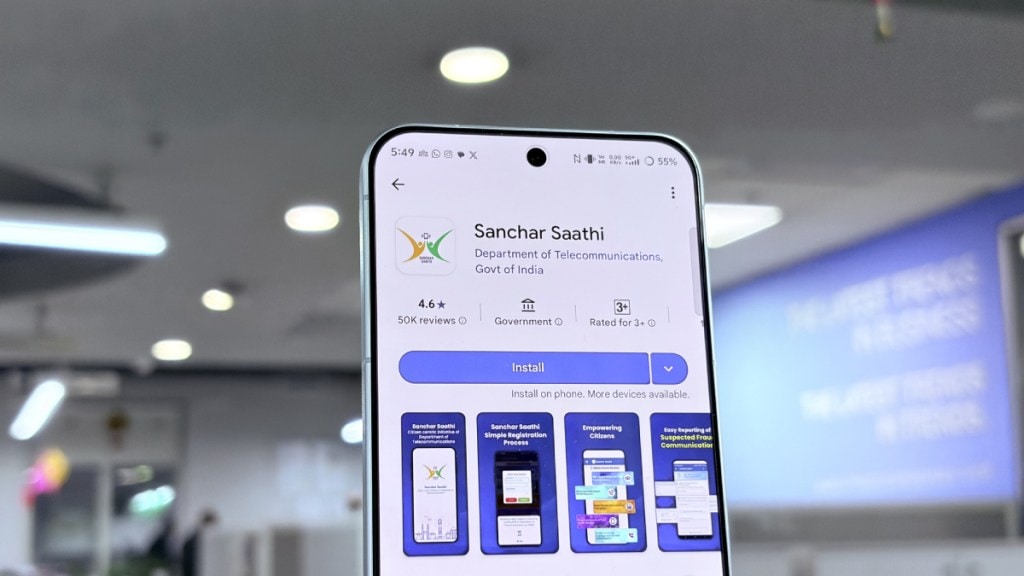
In a bid to curb online scams via stolen phones, the Indian government has issued a new directive to all smartphone manufacturers, requiring the pre-installation of its state-owned cyber-security app called Sanchar Saathi on all new mobile devices sold in the country. The move, which is intended to fight phone-related fraud and cyber threats, is expected to ensure a secure ecosystem while creating friction with global giants like Apple, whose corporate policies prohibit pre-installing non-proprietary apps.
The order, which was reportedly issued privately by India’s telecoms ministry on November 28, gives major manufacturers, including Samsung, Vivo, Oppo, Xiaomi, and Apple, a 90-day deadline to comply. Critically, the directive specifies that the app must be installed in a way that users cannot disable it. For devices already in the supply chain, manufacturers are required to push the app to existing phones via software updates.
Sanchar Saathi app: What it does
The Sanchar Saathi app is a cybersecurity tool designed to safeguard users from network misuse and fraudulent activity, primarily by using the International Mobile Equipment Identity (IMEI) number, a unique 14- to 17-digit identifier for every handset.
Since its release in January, the government claims the app has been highly successful. Official figures indicate the app has helped:
– Recover over 700,000 lost phones, including 50,000 in October alone.
– Block more than 3.7 million stolen or lost mobile phones.
– Terminate over 30 million fraudulent connections.
In the official order, the government justified the mandate by citing the essential need to combat the “serious endangerment” of telecom cybersecurity from duplicate or spoofed IMEI numbers, which are often used in scams.
Will Apple comply?
The most significant compliance challenge is expected to come from Apple. Sources familiar with the company’s internal operations noted that its strict global policies forbid the installation of any third-party or government applications before the sale of a smartphone. Apple has previously clashed with India’s telecoms regulator over the development of a government anti-spam app and many setting a precedent for resistance.
While the app has proven itself in crime prevention, the government directive has drawn concern from within the mobile industry. Two anonymous industry sources voiced worries over the lack of consultation with companies before the order was issued, indicating potential technical and policy hurdles for rapid deployment.